

Understanding a game publishing contract is essential for developers in 2026, especially when contract length can affect revenue, intellectual property rights, platform access, and long-term creative freedom. Whether you are an indie creator or part of a larger studio, the duration of your publishing agreement can shape what happens to your game before launch, after release, and even years later.
So, how long does a game publishing contract usually last? In most cases, the answer depends on the publisher, the game’s budget, the level of marketing support, and the rights included in the agreement. Some contracts may last only one to three years. However, others can run for five years or longer, especially when revenue recoupment, live-service updates, or platform exclusivity are involved.
In this updated 2026 guide from Gamespublisher.com, we’ll explain common contract durations, what affects the timeline, which clauses developers should review, and how to negotiate a game publishing contract without giving away too much control.
What Is a Game Publishing Contract?
Before diving into timelines, let’s define what a game publishing contract is and what it covers.
Definition and Purpose
A game publishing contract is a legal agreement between a developer and a publisher. It outlines how a game will be funded, developed, marketed, and released. It also defines financial terms, intellectual property rights, and expectations for both parties.
These agreements help ensure the game reaches players through marketing, digital storefronts, and even physical distribution.
Who’s Involved?
- Developer: Designs, builds, and produces the game.
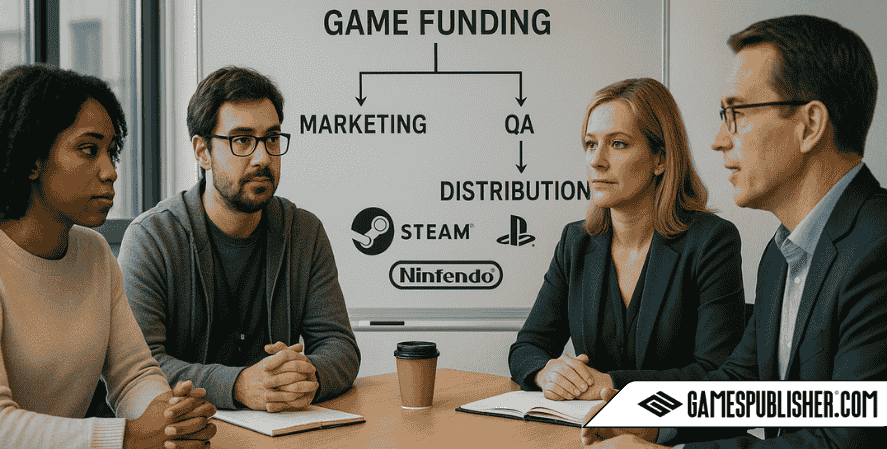
- Publisher: Provides funding, marketing, QA, and distribution.
- Platform Holders: May be involved when publishing to platforms like Steam, PlayStation, or Nintendo.
What the Contract Includes
Typical terms cover:
- Development milestones and deadlines
- Revenue share and funding models
- Launch timing
- Marketing efforts
- Rights over game content and intellectual property
- Post-launch patches, updates, and support
Why Contract Length Matters in a Game Publishing Contract
The length of a game publishing contract matters because it controls how long a publisher may manage, market, distribute, or earn from your game. Although the duration may seem like a simple timeline, it can affect many parts of your business.
For example, a long agreement may give the publisher more time to recover marketing and development costs. However, it may also limit your ability to self-publish, port the game, release a sequel, or negotiate with another partner. On the other hand, a shorter contract may give you more flexibility, but it may also reduce the publisher’s willingness to invest heavily.
Because of this, developers should review contract length together with IP ownership, revenue share, recoupment, platform rights, and termination clauses. A fair duration should match the game’s development timeline, launch plan, and post-release support needs.
Common Game Publishing Contract Durations

A game publishing contract can last for different periods depending on the size of the project, the publisher’s investment, and the expected post-launch support. Therefore, developers should not assume there is one standard timeline for every deal.
Instead, most agreements fall into a few common structures: fixed-term contracts, milestone-based contracts, and revenue recoupment contracts.
Fixed-Term Contracts
Fixed-term contracts last for a set period. In many cases, they run between two and five years. A shorter agreement may work well for a small single-player game with limited post-launch content. However, a longer agreement may be more suitable for games with DLC, console ports, multiplayer features, or ongoing updates.
For example, a three-year agreement may include one year for development and two years for sales, updates, and marketing support. Meanwhile, a five-year agreement may give the publisher enough time to support expansions, regional launches, and long-tail revenue.
Because fixed-term contracts are easier to understand, they are common in many game publishing contract structures. Even so, developers should check what happens when the term ends.
Milestone-Based Contracts
In milestone-based deals, the contract lasts until the developer reaches specific goals:
- A playable vertical slice
- Alpha or beta releases
- Final launch
- Post-launch content delivery
These contracts provide more flexibility and can help protect the publisher’s investment while giving developers control over the timeline.
Hybrid Contract Durations
Some publishing agreements combine fixed timelines, milestones, and revenue recoupment. For example, a contract may last for three years, but it may also continue until the publisher recovers its approved investment. In other cases, the agreement may include automatic extensions if the game performs well or if new platform versions are released.
Although hybrid contracts can be useful, they need clear limits. Otherwise, developers may stay locked into a deal longer than expected. Therefore, any hybrid game publishing contract should clearly explain extension rules, recoupment limits, rights reversion, and termination conditions.
Revenue Recoupment Contracts
Some publishers keep rights to the game until their investment is repaid, plus a margin. These contracts can last beyond five years, especially for games with slow or long-tail sales. This model is more common with high-budget titles or AAA games.
How Publisher Type Affects Contract Length

The type of publisher you’re working with can strongly influence the contract duration.
Indie Publishers
Indie publishers often offer short, flexible contracts. These arrangements help get the game to market without long-term control over the IP.
- Duration: 1 to 3 years
- Focus: Fast publishing, light marketing, creative freedom
- Examples: Devolver Digital, Raw Fury, Annapurna Interactive
Mid-Size and AAA Publishers
Larger publishers offer longer-term deals due to their global scale and higher investments.
- Duration: 3 to 7 years or more
- Focus: Global release, long-term support, monetization
- Examples: Ubisoft, Electronic Arts, Sony, Microsoft
These contracts may include performance-based funding, localization, console ports, and technical support.
Platform or Console Publishers
When a developer signs a contract directly with a platform holder like Sony or Nintendo, the deal may include exclusivity terms and unique technical requirements.
- Duration: Varies widely
- Includes: Platform certification, SDK access, storefront rules
For example, publishing a game on Steam may not require exclusivity, but a deal with Nintendo Switch might include timed exclusivity for one year or more.
IP Ownership and Contract Duration
A game publishing contract can affect who controls the game’s intellectual property and for how long. Therefore, developers should review ownership terms together with contract duration. A short contract may still be risky if it gives away permanent IP rights. Meanwhile, a longer contract may be acceptable if the developer keeps ownership and has clear reversion rights.
Temporary Licensing
In most cases, developers keep the intellectual property (IP) rights while the publisher gets a license to market and distribute the game for a set time.
This is common with indie publishers or small studios seeking to maintain creative control.
Permanent IP Transfer
Some publishers require full IP ownership in exchange for full development funding. This is more common with AAA games or when the publisher takes on significant financial risk.
Automatic Renewal Clauses
Automatic renewal clauses can extend a publishing deal after the original term ends. Sometimes, these clauses are helpful because they allow both sides to continue a successful partnership. However, they can also create problems if the developer wants to regain control or work with another publisher.
Before signing, check whether the game publishing contract renews automatically. Also, review how much notice is required to cancel the renewal. Ideally, developers should avoid automatic renewals unless the terms are fair, limited, and easy to exit.
Reversion Clauses and Sunset Terms
Look for contracts with clauses that return rights to the developer when:
- The contract expires
- Sales drop below a set amount
- The publisher stops supporting the game
These terms protect developers and allow for future remasters or sequels.
What Affects Game Publishing Contract Length?

Each game is different, and many factors determine how long a publishing contract should last.
Game Scope and Budget
Smaller games with limited content need shorter support periods. Bigger games, especially those with multiplayer or online features, may require years of updates, making longer contracts necessary.
Distribution and Marketing Support
If your publisher manages a global release, handles print distribution, or launches physical collector’s editions, they’ll want more time to maximize returns.
Post-Launch Content Plans
Games with roadmaps, seasonal content, or paid DLCs benefit from extended partnerships. Live-service titles like battle royale games or RPGs require ongoing attention, which leads to longer publishing agreements.
Revenue Sharing Models
Payment structure can impact how long the deal needs to last:
- Flat fee: The contract ends after the release or a defined window.
- Revenue share: The publisher may retain rights longer to recover their investment.
Case Studies: Real Examples of Contract Durations
Looking at how different publishers handle contract lengths can help developers understand industry norms.
Devolver Digital
This indie-friendly publisher often signs 1–2 year contracts, offering flexibility and creative freedom. Developers maintain ownership and have freedom to self-publish future games.
Annapurna Interactive
Known for working with story-driven and artistic indie titles. Their contracts usually last 2–3 years and aim to support long-term visibility without locking developers into long exclusivity.
Epic Games Publishing
Epic offers contracts that tie duration to revenue recovery and service delivery. Developers may benefit from extended support and favorable revenue splits, especially for Unreal Engine titles.
How to Negotiate Game Publishing Contract Length

Developers do not always have equal bargaining power, but a game publishing contract is still negotiable. Therefore, you should never focus only on the number of years. Instead, review how the contract length connects to revenue recoupment, IP ownership, platform rights, marketing duties, and post-launch support.
A fair contract should give the publisher enough time to support the game. However, it should also protect the developer from being locked into a deal that no longer benefits the studio.
Ask for Extension Clauses
Include terms that allow contract renewal if your game performs well. This provides flexibility without locking you into a long agreement from the start.
Involve Legal Help
Always have a legal expert with game contract experience review the terms. This ensures the deal is fair and protects your IP.
Tie Duration to Performance
Negotiate for contracts that adjust based on milestones, sales, or player engagement. If you’re meeting expectations, that should strengthen your position during renegotiation.
Consider Ownership Rights
Even if you give temporary rights to the publisher, try to retain IP ownership or set conditions for rights to return to you after the contract ends.
What Happens When the Contract Ends?
When a game publishing contract expires, several outcomes are possible. Developers need to plan for this phase.
Rights Reversion
Make sure your contract states clearly when you regain rights. Without this, you might not be allowed to port or update your own game.
Ongoing Royalties
Some contracts allow continued sales by the publisher after the term ends, with a share of profits still going to the developer.
Preparing for Self-Publishing
Ending a contract doesn’t mean the end of your game. Many developers go on to self-publish re-releases or sequels using the community and revenue base built during the publishing term.
Bonus Section: Digital Storefront Contracts
Some developers publish directly to storefronts like Steam, Epic Games Store, or GOG. While not traditional publishing contracts, these agreements still involve terms and durations.
Steam Direct
Steam’s self-publishing platform requires a one-time fee and submission process. While there is no set contract duration, developers must agree to Steam’s terms, which include revenue sharing and refund policies.
Epic Games Store
Epic sometimes offers funding or timed exclusivity in exchange for a period of exclusivity. These terms often last 6 to 12 months and involve upfront payments.
Frequently Asked Questions (FAQs)
A typical game publishing contract may last from one to seven years, depending on the game’s size, publisher investment, revenue model, and post-launch plans. Indie deals are often shorter, while AAA or live-service deals may last longer.
Not always. Some contracts use temporary licensing, which allows the developer to keep IP ownership. However, other contracts may require permanent IP transfer. Therefore, developers should always check ownership and reversion clauses before signing.
Yes, but only if the contract allows it. Some agreements return rights to the developer after the term ends. However, others may allow the publisher to keep selling the game under specific royalty terms.
Your contract should include termination and reversion clauses. These clauses can protect you if the publisher stops marketing the game, delays release, misses payments, or fails to meet agreed responsibilities.
Yes, some contracts include automatic renewal clauses. However, developers should review these carefully because they can extend the deal longer than expected. Ideally, renewal terms should be clear, limited, and easy to cancel.
Yes. A lawyer with game industry experience can help you review contract length, IP rights, recoupment, royalties, exclusivity, termination terms, and reversion clauses.
Conclusion
The length of a game publishing contract is more than a simple timeline. It can affect your creative control, revenue, IP rights, platform access, and post-launch freedom. Therefore, developers should review the full agreement before focusing only on the number of years.
In 2026, publishing contracts can range from short indie-friendly agreements to long-term AAA deals tied to recoupment, live-service support, or platform exclusivity. Because of this, the best contract length depends on your game’s budget, launch plan, update roadmap, and business goals.
Before signing, make sure the agreement clearly explains contract duration, renewal terms, revenue share, IP ownership, termination rights, and rights reversion. Most importantly, consult a legal professional before agreeing to any game publishing contract.
If you are preparing to sign or renegotiate a publishing agreement, Gamespublisher.com can help you understand the key terms, protect your game, and make better decisions before you commit.
Loading survey...