
In 2026, PC Game Publishers play a major role in helping developers bring their games to a wider audience. From funding and marketing to Steam visibility, localization, QA, and global distribution, the right publisher can strongly affect a game’s success. Because the PC market is competitive, developers need to understand which publishers offer the best support, reach, and long-term value.
Websites like GamesPublisher.com can help developers compare publishing options and understand what to look for before signing a deal. However, choosing a publisher is not only about brand name. Developers should also review contract terms, platform strategy, marketing support, revenue share, and creative control.
Overview of PC Game Publishing
The Role of a Game Publisher
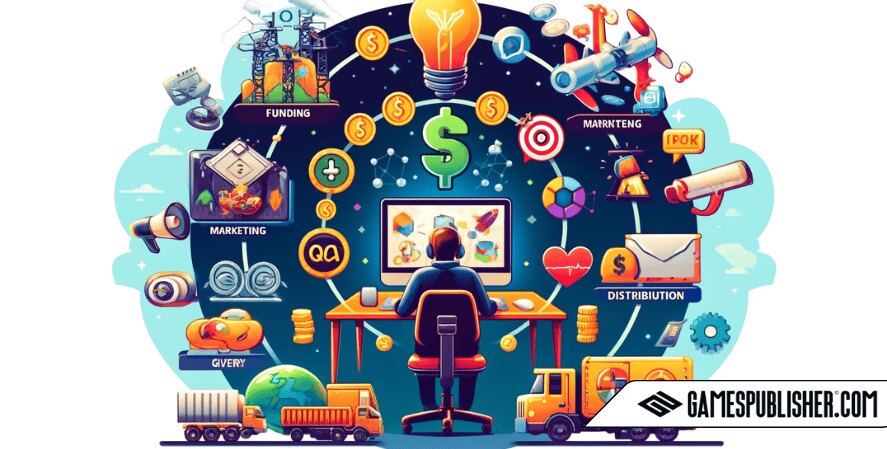
A game publisher plays a crucial role in the lifecycle of a PC game. Their responsibilities include funding, marketing, distribution, and often providing developmental support. By leveraging their extensive distribution networks, publishers ensure that a game reaches a broad audience, increasing its chances of commercial success.
Publishers influence the market through their strategic decisions, such as which genres to support and which emerging technologies to invest in. They can also significantly affect a game’s reception by orchestrating extensive marketing campaigns and securing high-profile distribution channels.
Key Factors to Consider When Choosing a Publisher
Market Reach
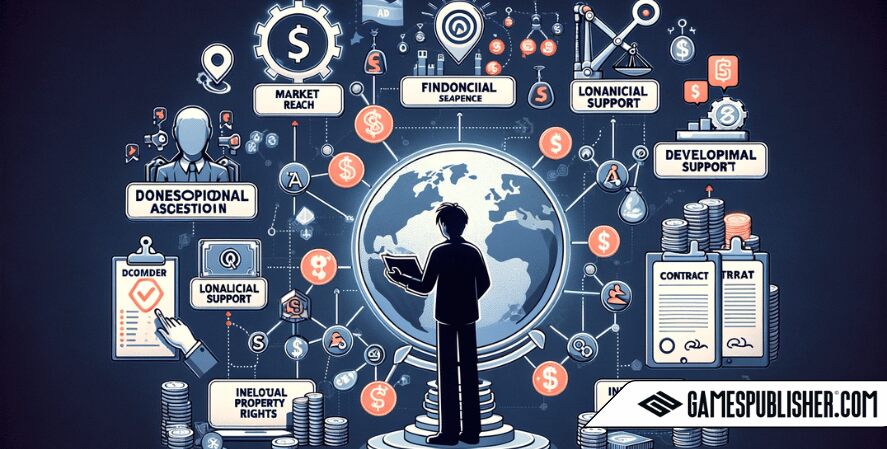
A publisher’s ability to distribute games widely is a vital consideration. Publishers with extensive market reach can place a game in front of millions of potential players, which is critical for achieving high sales volumes and building a strong player base.
Financial Assistance
Most developers rely on publishers for financial support to cover development costs. This support can come in the form of direct funding, advances on royalties, or milestone payments. The terms of these financial agreements vary, so developers need to understand what they are committing to.
Developmental Support
Publishers often provide additional services such as quality assurance (QA), localization, and marketing support. QA ensures that games are polished and free of major bugs, localization makes games accessible to global audiences, and marketing drives awareness and sales.
Intellectual Property Rights
Developers need to understand the common agreements regarding intellectual property (IP) rights. While some publishers might require full ownership of the game, others might allow developers to retain certain rights. This aspect is crucial for developers who wish to maintain creative control over their work.
What Makes a PC Game Publisher Worth Considering in 2026?
In 2026, developers should look beyond basic funding when comparing PC game publishers. A strong publisher should understand Steam, Epic Games Store, GOG, subscription platforms, regional pricing, community management, and post-launch support. As a result, the best publishing partner is not always the biggest company, but the one that fits the game’s genre, audience, and growth plan.
Developers should also ask how the publisher supports wishlists, launch campaigns, influencer outreach, localization, patch planning, and live updates. These areas matter because PC games often depend on long-term visibility, reviews, and community trust after launch.
Before signing, developers should review:
- Revenue share and payment terms
- IP ownership and sequel rights
- Marketing commitments
- Platform release strategy
- Localization and QA support
- Post-launch update expectations
- Exit clauses and contract length
This section will help improve search intent because many readers are not only looking for a list of publishers. They also want to know how to choose one.
Top PC Game Publishers
Electronic Arts (EA)
Electronic Arts (EA) is one of the most prominent names in the gaming industry. Founded in 1982, EA has published numerous successful franchises, including FIFA, Madden NFL, and The Sims. Their extensive resources and robust marketing strategies make them a go-to publisher for many developers.
EA supports its developers with significant financial backing and developmental resources, ensuring that their games are polished and ready for market. Their global reach and powerful distribution network ensure that games reach a wide audience.
Valve Corporation
Valve Corporation is renowned not just for its game development but also for its revolutionary distribution platform, Steam. Steam has transformed PC gaming by providing a vast marketplace for both indie and major game titles.
Valve’s innovative publishing practices include offering developers direct access to their audience, which fosters a more community-driven approach to game development. The success of games like Half-Life and Portal underscores Valve’s significant impact on the industry.
Ubisoft
Ubisoft is celebrated for its immersive, open-world games such as Assassin’s Creed, Far Cry, and Watch Dogs. Founded in 1986, Ubisoft has built a reputation for creating expansive and richly detailed game worlds.
Ubisoft’s approach to publishing includes substantial developmental support and marketing campaigns that highlight the unique aspects of their games. Their commitment to innovation and high-quality production values makes them a top choice for developers.
Activision Blizzard
Microsoft Gaming is now one of the most influential forces in PC and console publishing, especially after completing its Activision Blizzard acquisition in October 2023. This move brought major franchises such as Call of Duty, Diablo, Warcraft, Overwatch, and Candy Crush into Microsoft’s gaming portfolio.
For developers, Microsoft’s strength comes from its ecosystem. The company has Xbox Game Studios, Bethesda/ZeniMax, Activision Blizzard, PC Game Pass, cloud gaming, and strong Windows PC reach. Because of this, Microsoft is important for developers who want to understand how subscription services, cross-platform releases, and large-scale publishing strategies shape the PC market.
CD Projekt
CD Projekt, the Polish publisher behind the acclaimed Witcher series, is known for its strong community engagement and consumer-friendly policies. Their success is built on delivering high-quality, story-driven games that resonate deeply with players.
CD Projekt’s transparent communication and dedication to their fan base make them a beloved figure in the gaming community. Developers working with CD Projekt can expect a supportive and respectful partnership.
Emerging Publishers and Market Trends
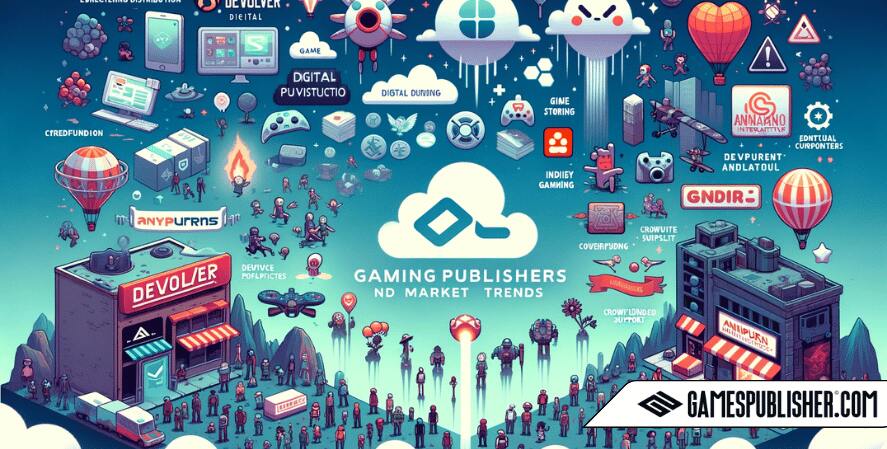
While established publishers dominate the industry, several emerging publishers are making significant impacts. Companies like Devolver Digital and Annapurna Interactive are gaining recognition for their innovative and diverse game portfolios.
Trends such as digital distribution, the rise of indie publishing, and crowd-funded projects are reshaping the gaming landscape. These trends offer new opportunities for developers to bring their visions to life without relying solely on traditional publishing models.
Traditional Publishers vs. Self-Publishing on PC
PC developers now have more publishing options than ever. In the past, many studios needed a publisher to reach players. However, platforms like Steam have made self-publishing more accessible through Steamworks and Steam Direct. Valve’s Steamworks Partner Program explains the process for developers who want to distribute games, VR experiences, or videos through Steam.
Still, self-publishing is not always easier. Developers must handle marketing, store page optimization, pricing, community updates, QA, localization, and launch timing on their own. Because of this, a publisher can still be valuable when the team needs funding, visibility, production support, or global marketing help.
A simple way to decide is this: self-publishing gives more control, while working with a publisher can provide more support. Therefore, developers should compare both options before making a final decision.
FAQs About PC Game Publishers
PC game publishers help with funding, marketing, distribution, QA, localization, and launch planning.
Not always. Some indie developers self-publish, while others work with publishers for funding, visibility, and support.
Developers should review revenue share, IP rights, marketing promises, payment terms, contract length, and exit clauses.
Steam is mainly a digital distribution platform, but Valve also publishes games and provides tools for developers through Steamworks.
The best choice depends on the game’s genre, budget, target audience, and the level of support the developer needs.
Conclusion
Understanding the top PC game publishers and their roles in the gaming industry is crucial for developers. Publishers like EA, Valve, Ubisoft, Activision Blizzard, and CD Projekt offer various benefits, from financial support to extensive market reach. Emerging publishers and evolving market trends also present new opportunities for developers to explore.
By carefully considering the factors discussed, developers can choose the right publisher to help bring their games to a wide audience and achieve commercial success. For more insights and resources, platforms like Gamespublisher.com are invaluable in navigating the complex world of game publishing.
Loading survey...