
Top console game publishers play a major role in helping upcoming developers bring their games to PlayStation, Xbox, Nintendo Switch, and other console platforms. In 2026, choosing the right publisher is more important than ever because console releases require strong funding, platform knowledge, marketing support, certification guidance, and long-term developer support.
For many new studios, a publisher can help turn a promising game into a polished console release. However, not every publisher is the right fit. Developers need to compare each publisher’s genre experience, contract terms, platform relationships, marketing strength, and reputation before making a decision.
This guide explains what top console game publishers offer, how they support developers, and what upcoming studios should consider before signing a publishing agreement.
Understanding the Console Game Market
Market Overview
The console game market thrives with a diverse and engaged player base and significant revenue. It is growing steadily, driven by technological advancements and an expanding gamer demographic across next-generation consoles.
Role of Publishers
Publishers play a vital role in the console gaming ecosystem. They provide funding, marketing, distribution, and ensure compliance with platform standards. They also offer resources like quality assurance and access to proprietary development tools essential for game development.
Top Console Game Publishers
Major Players and Their Strategies
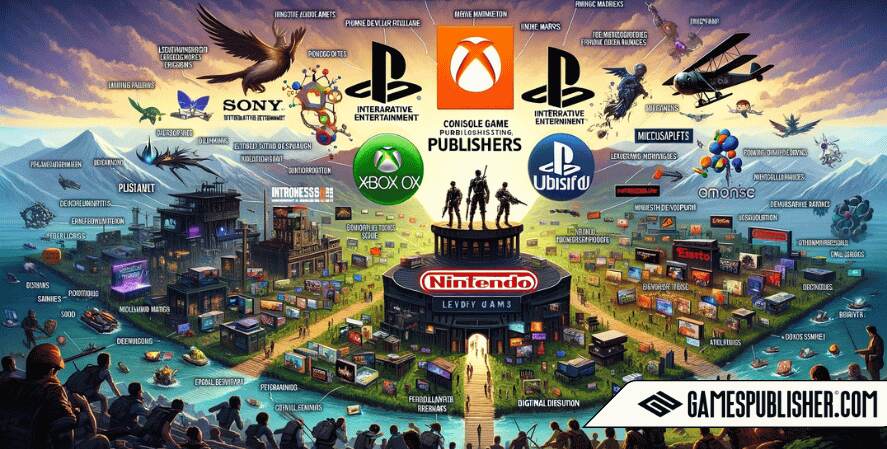
Industry giants like Sony Interactive Entertainment, Microsoft (Xbox Game Studios), and Nintendo dominate the market. Each uses its platform to enhance game promotion.
Sony and Microsoft focus on leveraging their platforms, while Nintendo excels in integrating hardware with software. Electronic Arts and Ubisoft also significantly impact through their franchise development and cross-platform releases.
Emerging Console Game Publishers
Emerging publishers are becoming more important for indie and mid-sized console developers. Unlike larger publishers, many of these companies focus on flexible partnerships, niche audiences, and digital-first releases. As a result, they can be a better fit for smaller studios that need guidance without losing too much creative control.
In 2026, more developers are also exploring self-publishing or hybrid publishing models. This trend shows that studios want more control over marketing, platform strategy, and long-term IP ownership. However, self-publishing still requires experience, budget, and strong planning. Because of that, many upcoming developers still benefit from working with a publisher that understands console launches.
When comparing emerging publishers, developers should review their recent games, platform reach, communication style, and contract transparency. A smaller publisher can be a great partner, but only if their support matches the developer’s goals.
Recent industry examples show that more studios are taking a flexible approach to publishing and platform strategy, including some developers choosing self-publishing for future projects after previous publisher partnerships.
What Makes a Console Publisher Worth Considering in 2026?
Not every publisher offers the same level of support. Because of this, developers should look beyond brand name and focus on what the publisher can actually provide. A strong console publisher should understand platform requirements, certification rules, store visibility, localization, quality assurance, and launch planning.
In addition, developers should review how the publisher supports marketing. Console games often need trailers, screenshots, store page optimization, press outreach, creator partnerships, and launch timing. Without these, even a good game may struggle to reach the right audience.
Developers should also study the publisher’s past releases. For example, publishers with a strong record in RPGs, action games, platformers, or family-friendly titles may be better suited for similar projects. This makes genre alignment one of the most important factors when choosing a publishing partner.
Choosing the Right Publisher for Your Game
Alignment with Game Genre
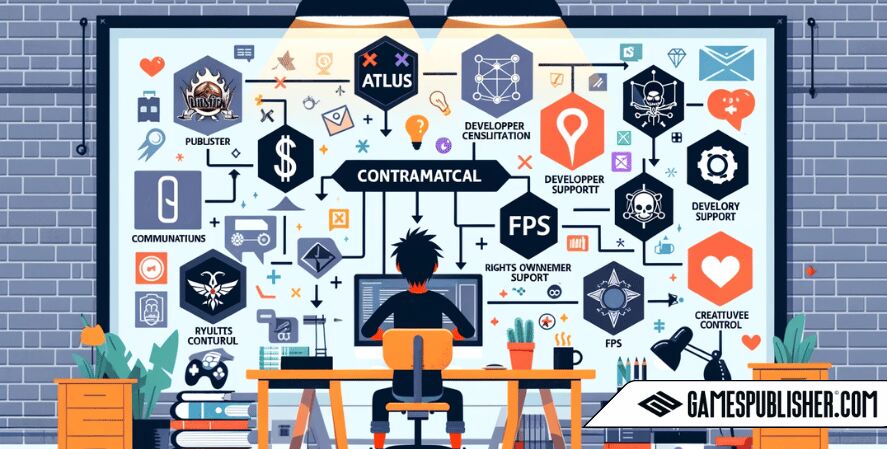
Choosing a publisher experienced with your game’s genre can greatly impact its success. Publishers like Atlus or Square Enix, known for their RPG expertise, can provide crucial support for games in this genre. Similarly, those specializing in sports games or FPS have a deep understanding of these audiences.
Publisher Reputation and Developer Support
The decision often depends on the publisher’s reputation for fairness, developer support, and success. Insights from other developers and community testimonials can reveal much about a publisher’s practices and their commitment to supporting creative visions.
Contractual Considerations
It’s crucial to understand and negotiate publishing agreements carefully. Developers need to focus on rights ownership, royalty rates, and creative control to protect their interests and align with their long-term goals.
| Factor | Why It Matters |
|---|---|
| Genre experience | Helps the publisher understand your audience and market position |
| Platform knowledge | Supports PlayStation, Xbox, and Nintendo certification requirements |
| Marketing support | Helps your game gain visibility before and after launch |
| Contract terms | Protects your rights, royalties, and creative control |
| Developer reputation | Shows whether the publisher treats studios fairly |
| Long-term support | Helps with updates, ports, DLC, and future releases |
Future Trends in Console Game Publishing

Digital Distribution and the Rise of Indie Publishers
Digital distribution is making the publishing landscape more accessible to indie developers. Platforms like Steam and Epic Games Store are essential for indie titles to gain visibility without traditional publisher backing.
Impact of Streaming and Cloud Gaming
Technologies like game streaming and cloud gaming are changing the game distribution and consumption landscape. These advancements force publishers to adapt their strategies to effectively reach gamers.
FAQs About Top Console Game Publishers
Top console game publishers are companies that help developers release games on platforms like PlayStation, Xbox, and Nintendo Switch. They often support funding, marketing, distribution, quality assurance, and platform certification.
Upcoming developers should compare genre experience, contract terms, marketing support, platform relationships, and developer reputation. In addition, they should choose a publisher that understands their game’s audience.
Not always. Some indie developers self-publish their games, especially through digital stores. However, a publisher can still help with funding, visibility, certification, localization, and launch planning.
Developers should review IP ownership, revenue share, royalty rates, marketing commitments, platform rights, contract length, and exit terms. If possible, they should also ask for legal advice before signing.
Conclusion
Choosing from the top console game publishers is an important step for upcoming developers in 2026. The right publisher can provide funding, platform knowledge, marketing support, and guidance throughout the console release process. However, the best choice depends on the game’s genre, target audience, budget, and long-term goals.
Developers should not choose a publisher based on popularity alone. Instead, they should study the publisher’s past releases, developer reputation, contract terms, and level of support. In addition, they should make sure the partnership protects their creative vision and future opportunities.
For developers who want to understand the publishing process more clearly, Gamespublisher.com can be a helpful resource for learning about publisher relationships, console game strategy, and industry trends. With the right research and preparation, upcoming developers can find a publishing partner that helps their game reach the right players.
Loading survey...