
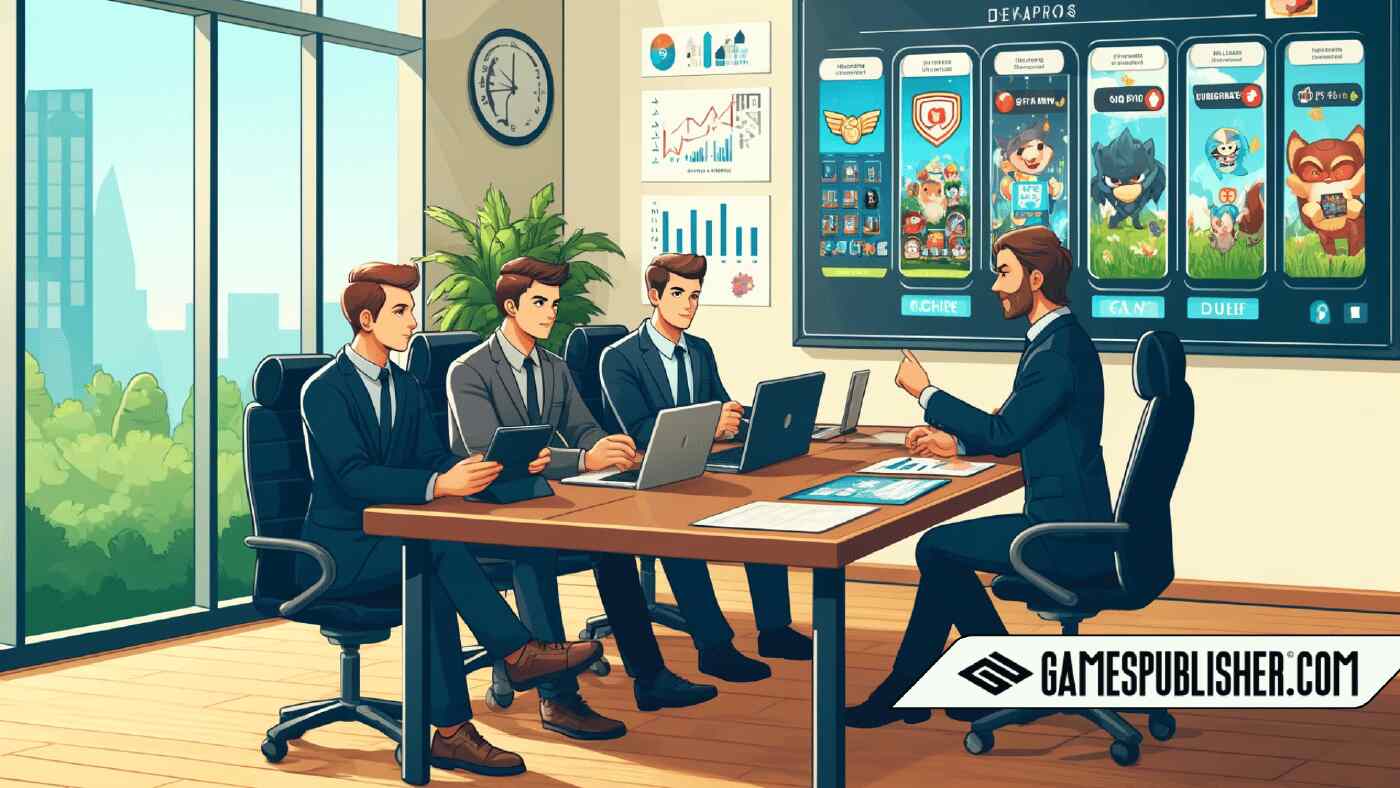
Working with a publisher for mobile games in 2026 can help developers turn a strong idea into a stronger launch. A great mobile game still needs funding, testing, marketing, app store optimization, and long-term support. Therefore, many developers choose to work with a publisher instead of handling every part of the release alone.
In the mobile gaming world, creating the game is only the first step. After that, developers must compete for attention on crowded app stores, build trust with players, manage updates, and keep the game profitable. Because of this, publishing support can make a major difference.
At GamesPublisher.com, we understand how important the relationship between developers and publishers can be. A publisher can help with funding, promotion, user acquisition, platform guidance, and legal support. As a result, developers can spend more time improving gameplay while the publisher helps the game reach the right audience.
In this article, we will explain the main benefits of working with a publisher for mobile games. We will also cover the possible challenges, what developers should look for in a publishing partner, and why mobile game publishing still matters in 2026.
Understanding Mobile Game Publishing

What is Game Publishing?
Game publishing, particularly in the context of mobile games, involves various processes that go beyond the mere creation of a game. It encompasses funding, marketing, distribution, and support, ensuring that a game reaches its target audience effectively. There are different models of game publishing:
- Self-Publishing: Developers handle all aspects of the game release, from funding to marketing and distribution. While this model offers complete creative control, it also requires substantial resources and expertise.
- Traditional Publishing: Developers partner with established publishers who provide financial support, marketing, and distribution services. In return, publishers typically take a share of the game’s revenue.
Role of a Publisher in Mobile Gaming
Publishers play several critical roles in the mobile gaming industry:
- Financial Support: They provide the necessary funds for development, marketing, and distribution.
- Marketing and Promotion: Publishers have the expertise and resources to promote games effectively.
- Technical Assistance: They offer support in game testing, debugging, and optimization.
- Legal and Administrative Support: Publishers handle legal issues, licensing, and compliance.
Examples of successful publisher-developer partnerships include the collaboration between Supercell and Clash of Clans, which has become one of the highest-grossing mobile games of all time.
Why Mobile Game Publishers Still Matter in 2026
Mobile game publishing is more competitive in 2026 because players have many choices. However, this also creates more opportunities for developers who launch with the right strategy. A publisher can help a game stand out through better store pages, stronger marketing, better testing, and clearer growth planning.
A publisher does not only help with the launch. In many cases, they also support the game after release. For example, they may help test new features, plan seasonal events, improve player retention, and adjust monetization. As a result, the game has a better chance of staying active for a longer time.
This is especially useful for small or indie teams. While a developer may be strong at design, coding, or art, they may not have enough time or experience for paid ads, app store optimization, influencer outreach, or platform rules. Therefore, a publisher can fill important gaps.
Benefits of Working with a Publisher

Financial Support
One of the primary benefits of partnering with a publisher is financial support. Developing a mobile game requires significant investment in various stages, including design, coding, testing, and marketing.
Publishers provide the necessary funds to cover these costs, enabling developers to focus on creating high-quality games without the financial burden.
Budgeting and Marketing
Publishers also assist with budgeting, ensuring that resources are allocated efficiently. Marketing is another critical area where publishers excel. They fund and execute comprehensive marketing campaigns, including app store advertisements, social media promotions, and influencer partnerships, to enhance a game’s visibility.
Expertise and Experience
Publishers bring a wealth of expertise and experience to the table. Their knowledge in market analysis helps identify target audiences and optimize game features to meet market demands. Publishers also have established networks and relationships with platforms like the Apple App Store and Google Play, facilitating smoother game launches.
Case Studies
For instance, Activision Blizzard’s strategic decisions in marketing and user acquisition have led to the massive success of games like Candy Crush Saga. Such expertise is invaluable for developers looking to make a mark in the mobile gaming industry.
Marketing and Visibility
Effective marketing is essential for the success of any mobile game. Publishers employ various strategies to boost a game’s visibility, including:
- App Store Optimization (ASO): Optimizing a game’s listing to improve its ranking in app stores.
- Promotional Campaigns: Running targeted ads and promotions to attract players.
- Social Media Marketing: Leveraging social media platforms to engage with the gaming community.
These strategies help games gain traction and attract a large user base quickly.
App Store Optimization and User Acquisition Support
One major benefit of working with a publisher for mobile games is app store optimization, also known as ASO. This includes improving the game title, description, screenshots, preview videos, keywords, and store page layout. As a result, more players can find and understand the game before downloading it.
Publishers can also help test different marketing messages. For example, one store page may focus on characters, while another may focus on rewards, events, or gameplay style. Because mobile players often decide quickly, better visuals and clearer messaging can improve conversion rates.
In addition, publishers often have experience with user acquisition. This means they can help run ads, track results, and improve campaigns over time. Instead of spending money without a clear plan, developers can use data to find the best audience for their game.
Technical Support
Technical challenges can hinder the success of a game. Publishers provide technical support in several areas:
- Game Testing: Conducting thorough testing to identify and fix bugs.
- Debugging: Ensuring the game runs smoothly across different devices.
- Multi-Platform Optimization: Adapting the game for various devices and operating systems to reach a broader audience.
Live Operations and Long-Term Game Growth
A mobile game does not end after launch. In fact, many successful mobile games grow because of regular updates, events, rewards, and balance changes. This is where live operations, also called live ops, become important.
A publisher can help plan live ops by studying player behavior and update performance. For example, they may suggest new events, limited-time offers, daily rewards, or seasonal content. These updates can give players a reason to return.
Moreover, publishers can help developers understand important numbers, such as retention, session length, and purchase behavior. These insights can guide future updates. As a result, the game can improve based on real player data instead of guesses.
Legal and Administrative Assistance
Navigating the legal aspects of game development can be daunting. Publishers handle legal issues, including:
- Licensing: Securing the necessary licenses for game content.
- Copyright Protection: Protecting the game from intellectual property theft.
- Regulatory Compliance: Ensuring the game adheres to relevant regulations and standards.
Platform Compliance and Player Trust
In 2026, mobile games must also follow platform rules, privacy requirements, and content guidelines. This can be difficult for small teams, especially when launching across different regions. However, publishers often understand these requirements better because they manage multiple releases.
A publisher can help review store listings, age ratings, privacy information, ad practices, and monetization systems. This reduces the risk of delays, rejected updates, or player complaints. In addition, it helps protect the game’s reputation.
Player trust is also important. If a game looks clear, safe, and professionally managed, players are more likely to download it. Therefore, compliance is not only a legal concern. It is also part of building a strong brand.
What to Look for in a Mobile Game Publisher
Not every publisher is the right fit. Before signing a deal, developers should review the publisher’s experience, communication style, contract terms, and past game launches. This helps avoid problems later.
A good publisher should understand your game genre. For example, publishing a puzzle game is different from publishing an idle game, RPG, shooter, or casual game. Each genre needs a different marketing plan, audience strategy, and update schedule.
Developers should also ask clear questions before signing. These may include:
- What services are included in the publishing deal?
- Who owns the game IP?
- How will revenue be shared?
- What marketing budget will be used?
- Who controls creative decisions?
- How often will performance reports be shared?
- What happens if the partnership does not work?
By asking these questions early, developers can protect their work and choose a partner that supports their long-term goals.
Challenges and Considerations

Loss of Control
One of the potential drawbacks of partnering with a publisher is the loss of creative control. Publishers may influence game design and development decisions to align with market trends and profitability goals.
Revenue Sharing
Revenue sharing is another critical consideration. Publishers typically take a percentage of the game’s revenue, which can impact the developer’s earnings. It’s essential to negotiate terms that are favorable and transparent.
Success Stories

Numerous mobile games have achieved success through publisher partnerships. For example, PUBG Mobile, developed by PUBG Corporation and published by Tencent Games, has become a global sensation. The strategic support from Tencent in terms of marketing, distribution, and technical assistance played a significant role in the game’s success.
Developers often share positive experiences about their collaborations with publishers. For instance, developers at Epic Games have praised their partnership with Tencent, highlighting the benefits of financial backing and market insights.
FAQs About Working With a Publisher for Mobile Games
A publisher for mobile games helps developers with funding, marketing, app store optimization, testing, distribution, legal support, and long-term growth. In many cases, they also help manage launch campaigns and post-launch updates.
Yes, working with a mobile game publisher can be worth it if the developer needs support with marketing, funding, user acquisition, or platform strategy. However, the contract terms should be reviewed carefully before signing.
Most mobile game publishers take a share of revenue in exchange for their services. The exact percentage depends on the deal, the marketing budget, the publisher’s role, and the developer’s needs.
Yes, indie developers can work with mobile game publishers. In fact, many publishers look for indie games with strong gameplay, clear market potential, and a team that is ready to improve the game for launch.
Before signing, ask about revenue sharing, IP ownership, marketing budget, creative control, reporting, update responsibilities, and exit terms. These questions help protect both the developer and the game.
Conclusion
Working with a publisher for mobile games in 2026 can give developers more support, more structure, and a better chance of reaching players. A publisher can help with funding, marketing, app store optimization, testing, legal support, live operations, and long-term growth.
However, developers should still choose carefully. Some publishing deals may include revenue sharing, creative limits, or contract terms that need close review. Therefore, it is important to understand the agreement before signing.
For many mobile game developers, the right publishing partner can be a powerful advantage. Instead of handling every challenge alone, developers can focus on building a better game while the publisher helps with launch strategy, visibility, and growth.
If you are preparing to release a mobile game, take time to compare publishing partners, review their past results, and ask the right questions. With the right publisher, your mobile game can have a stronger launch and a better path toward long-term success.
Loading survey...