
Building a strong game community is one of the most important steps developers can take in 2026. A loyal game community helps players stay connected, share feedback, support each other, and remain interested in a game long after launch.
Today, players do not only want to play a game. They also want to feel involved in its world, updates, events, and future direction. Because of this, developers need more than good gameplay. They also need clear communication, safe spaces, active moderation, and consistent ways to keep players engaged.
A well-managed game community can improve player retention, reveal bugs faster, inspire new content ideas, and create long-term trust between developers and fans. In this guide, we will cover how developers can build, grow, and manage a community that supports both players and the game itself.
Understanding Game Communities
Definition and Types
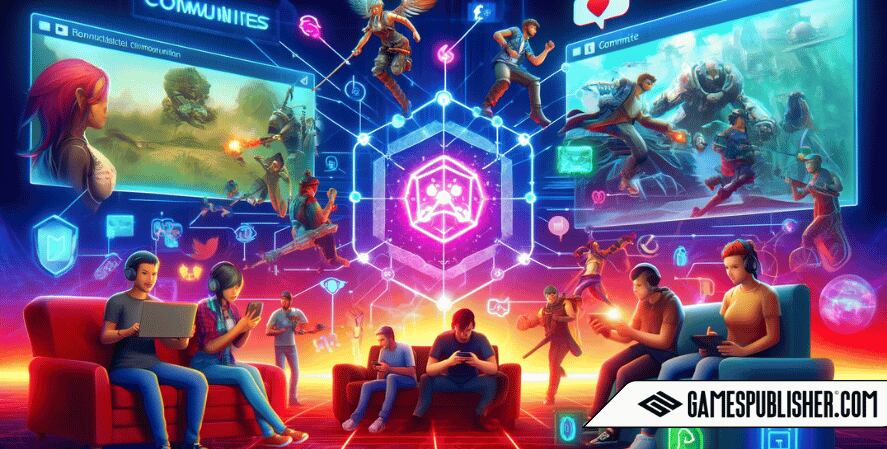
At its core, a game community consists of players and fans connected by their common interest in a particular game or series of games. These communities can form on various platforms, including:
- Social Media: Serves a broad spectrum of gamers, from casual to dedicated players, providing a space for sharing content, updates, and community engagement.
- Dedicated Online Forums: Cater primarily to hardcore gamers who seek in-depth discussions, strategy sharing, and community-driven content.
- In-Game Interaction Systems: Enhance the gaming experience by enabling direct communication and interaction among players within the game environment, appealing to both casual and serious gamers.
- Mobile Apps: Target casual gamers, offering easy access and social gaming opportunities through smartphones and tablets, often integrating with social media for expanded connectivity.
Benefits
Game communities offer numerous benefits that enhance the gaming experience. For players, they provide a space for networking, skill enhancement through peer learning, and a competitive environment.
They also facilitate direct communication channels for game recommendations, bug reporting, and valuable feedback, which are crucial for developers seeking to improve their games or develop new ones that align with player expectations.
Why a Game Community Matters More in 2026
In 2026, a game community is no longer just a place where players talk after playing. Instead, it has become part of the full player experience. Many players now check Discord servers, Reddit threads, YouTube comments, Steam discussions, and social media pages before deciding whether a game feels active and worth trying.
For developers, this creates a major opportunity. A healthy gaming community can help promote updates, answer beginner questions, report bugs, and keep excitement alive between major content releases. As a result, the community becomes a long-term support system for both the game and its players.
However, developers should not treat the community only as a marketing tool. Players are more likely to stay loyal when they feel heard, respected, and included. Therefore, the best communities are built on trust, useful communication, and consistent interaction.
Building Your Game Community
Identifying Your Target Audience
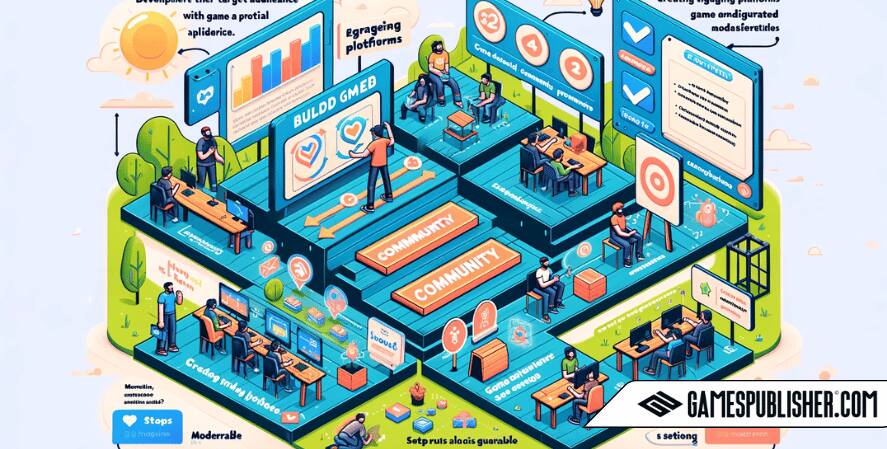
Understanding who plays your games is the first step in forming a community.
This knowledge helps tailor your community-building efforts to match the preferences and behaviors of your audience, ensuring that the platforms and content you develop resonate with them.
Creating Engaging Platforms
To foster a vibrant community, developers must provide accessible and engaging platforms for interaction.
This can include integrating forums directly into the game, utilizing popular social media platforms, and developing standalone community apps that offer unique content and interaction opportunities.
Setting Rules and Guidelines
Establishing clear community guidelines is essential to ensure a respectful and positive interaction space.
These rules help manage player expectations and provide a framework for acceptable behavior.
Moderation and Safety
Effective moderation and robust safety policies are critical to maintain the integrity of the community.
Appointing knowledgeable and fair moderators and implementing comprehensive policies help safeguard members and promote a healthy gaming environment.
Choose the Right Community Platform
Not every game community needs to be active on every platform. Instead, developers should choose platforms based on where their players already spend time.
For example, Discord works well for real-time conversations, quick updates, and community events. Reddit can be useful for longer discussions, guides, and player feedback. Steam discussions are helpful for PC games because players often use them to ask questions before or after buying. Meanwhile, TikTok, YouTube, and X can help developers reach new players through short updates, clips, and announcements.
Because each platform has a different purpose, developers should avoid spreading themselves too thin. It is better to manage two active platforms well than to create five inactive channels that make the game look abandoned.
Game Community Platform Comparison
| Platform | Best For | Developer Benefit |
|---|---|---|
| Discord | Real-time chat, events, quick updates | Builds close player relationships |
| Discussions, guides, feedback | Supports deeper community conversations | |
| Steam Discussions | PC game questions and reviews | Helps players before and after purchase |
| YouTube | Trailers, tutorials, update videos | Makes updates easier to explain |
| TikTok | Short clips and discovery | Helps reach new players quickly |
| In-game chat or guilds | Player interaction inside the game | Keeps engagement inside the game itself |
Growing Your Community
Leveraging Social Media and Forums
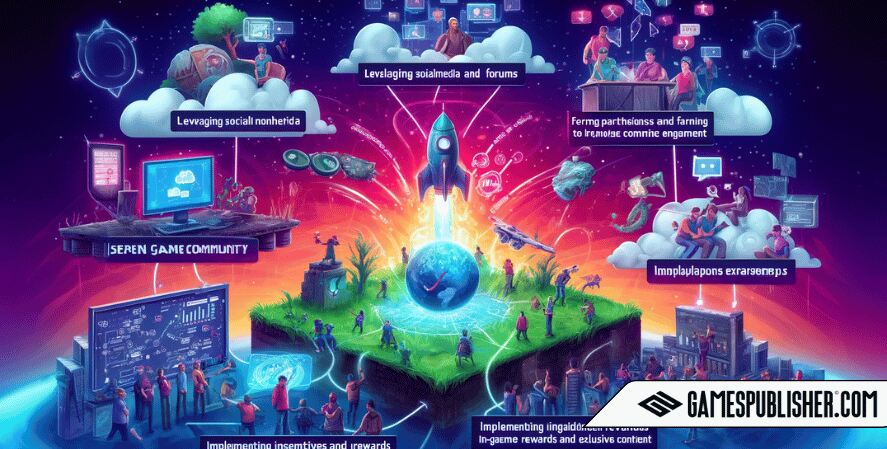
Social media and gaming forums are powerful tools for attracting new community members. Regular updates, engaging content, and active participation by community managers can help keep the community vibrant and growing.
Influencers and Partnerships
Collaborating with influencers and other gaming communities can significantly boost your community’s visibility and engagement. These partnerships can provide a mutually beneficial exchange of content and exposure, drawing more players into your community.
Incentives and Rewards
Implementing a system of incentives and rewards can motivate community members to stay active and engaged. This could include exclusive content, in-game rewards, or recognition programs for community contributions.
Use Player Feedback to Improve the Game
Player feedback is one of the strongest benefits of having an active game community. Community members can point out bugs, balance issues, confusing features, and missing content faster than developers may notice on their own.
However, feedback should be organized properly. Developers can use surveys, feedback forms, Discord channels, Steam discussion threads, or in-game reporting tools to collect useful comments. In addition, they should separate emotional complaints from clear, repeatable issues.
When players see that their feedback leads to real improvements, they are more likely to stay involved. For example, a developer can share small update notes that say which bugs were fixed, which player suggestions were reviewed, and which features may be considered later. This simple habit builds trust and shows the community that their voice matters.
Managing Your Game Community
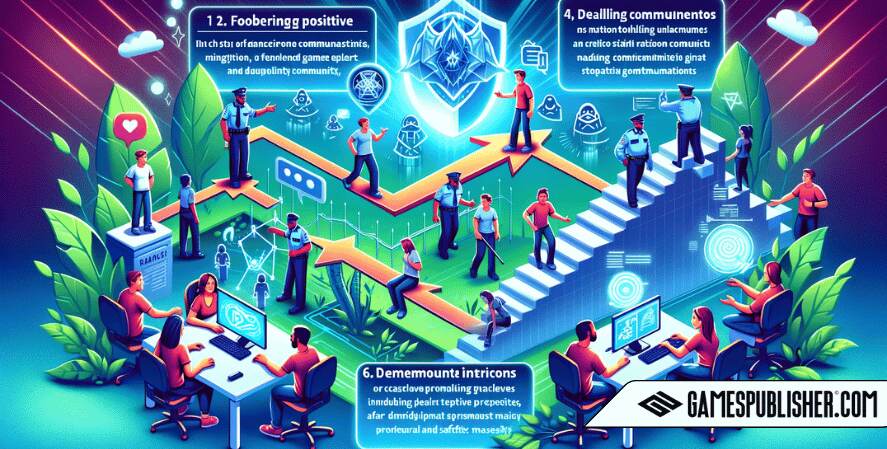
Fostering Positive Interactions
Encouraging positive interaction within the community is vital for its long-term success. Strategies such as promoting community events, spotlighting outstanding members, and facilitating discussions can enhance engagement and satisfaction.
Dealing with Challenges
Managing a community also involves handling issues like trolling, harassment, and conflict. Having a clear strategy for dealing with such challenges, including transparent disciplinary procedures, is crucial to maintaining a healthy community atmosphere.
Examples of Successful Game Communities
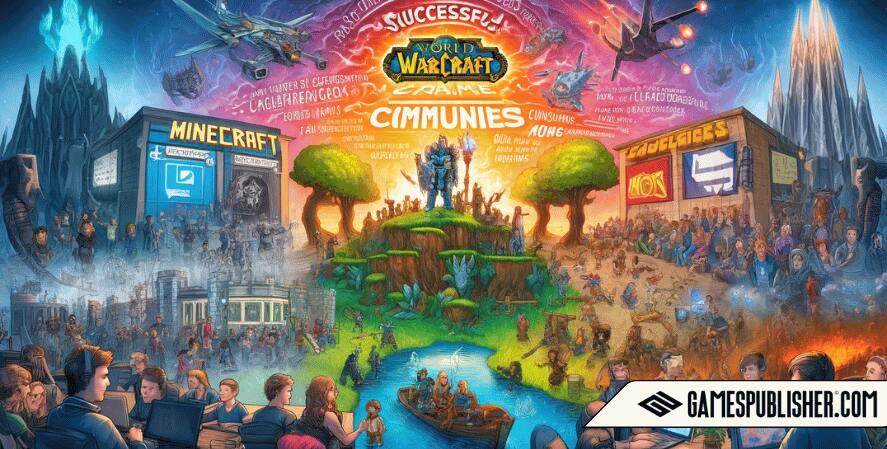
Three stellar examples of successful game communities are:
- World of Warcraft (WoW): This game has fostered an immensely successful community that extends beyond the game itself. The WoW community has been crucial in establishing a vast network of fan sites, forums, and has even sparked the creation of conventions such as BlizzCon. These elements collectively contribute to the game’s enduring popularity and deeply engaged fan base.
- Minecraft: Known for its open-ended gameplay, Minecraft supports a highly creative community that excels in producing user-generated content and modifications (mods). This engagement not only showcases the game’s versatility but also significantly enhances its appeal and longevity, making it a standout example of community-driven success in gaming.
- League of Legends: The LOL community is another powerhouse, known for its vibrant esports scene and fan participation in character development and game testing. This community has also been instrumental in shaping the game’s balance and new content, demonstrating the powerful role that a well-engaged community can play in a game’s development cycle.
FAQs About Building a Game Community
A game community is a group of players, fans, and developers connected by a shared interest in a game. It can exist on Discord, Reddit, social media, forums, or inside the game itself.
A game community helps developers collect feedback, improve player engagement, build trust, and keep players interested after launch.
The best platform depends on the audience. Discord is good for real-time chat, Reddit is useful for discussions, and Steam forums help PC players ask questions and share feedback.
Developers can keep a community active by posting regular updates, hosting events, answering questions, rewarding helpful members, and listening to player feedback.
Developers should create clear rules, use active moderation, respond quickly to reports, and apply fair consequences when members break community guidelines.
Conclusion
Building a loyal game community takes time, consistency, and genuine communication. In 2026, players expect more than updates and announcements. They want to feel heard, respected, and included in the game’s ongoing journey.
For developers, a strong game community can improve player engagement, support better feedback, and create long-term loyalty. However, this only works when the community is managed with clear rules, active moderation, and useful content.
Ultimately, the best communities grow when developers treat players as partners, not just users. By choosing the right platforms, listening to feedback, and creating safe spaces for discussion, developers can build a community that supports the game for years.
Loading survey...