
For many teams working on indie games, finding the right publisher can be a game-changer.
As the gaming industry becomes more competitive, understanding which indie game publishers accepting submissions in 2026 are the best fit is more important than ever.
Today, building a great game is only part of the challenge.
Developers also need funding, marketing opportunities, and visibility in a crowded market filled with new indie video games launching every day.
The publishing landscape has changed a lot in recent years.
Because of this, choosing the right publisher is no longer just about funding; it’s about finding a partner who understands your game, your audience, and your long-term goals.
In the sections below, we’ll break down how indie game publishers accepting submissions operate in 2026 and which companies you should have on your radar.
Indie Game Publishers Accepting Submissions in 2026 Overview
So what does it actually mean when we say a publisher is “accepting submissions” today?
In the past, it often meant sending a pitch deck and hoping for a response. Now, the process is more structured and more competitive.
Most indie game publishers use a mix of submission methods:
- Open pitch portals where developers can submit builds and documents
- Curated scouting, where publishers actively look for promising projects on platforms like Steam or at events
- Demo-based evaluation, where a playable prototype is required before any serious discussion
This shift reflects how the indie game development process has evolved.
Publishers want to see proof, like gameplay, retention potential, and early success metrics, not just ideas.
There are also several key trends shaping indie game publishing in 2026, including:
- Vertical Specialization: Many publishers now focus on specific game genres like roguelikes, narrative games, or simulation
- Live-service Expectations: Even indie titles are expected to show potential for updates, replayability, or ongoing content
- Community-driven Validation: Metrics like wishlists, Discord activity, and early player feedback are becoming just as important as the pitch itself
For today’s indie game developer, this means preparing more than just a concept.
You need a clear vision, a playable experience, and a strong understanding of your audience before approaching publishers.
Indie Game Publishers Accepting Submissions: Top Companies to Know
Not all indie game publishers accepting submissions are the same. Some focus on niche game genres, while others look for broader commercial appeal.
The publishers listed below are active in 2025–2026, have a strong track record in indie game publishing, and are known for working with new or emerging indie game developers.
These companies were selected based on their reputation, recent releases, openness to submissions, and ability to support both development and game marketing.
Devolver Digital
Genres Accepted: Action, roguelikes, experimental indie titles, narrative-driven games
What They Look For:
- Unique gameplay hooks
- Bold art direction
- Unconventional ideas with a strong identity
Devolver Digital is one of the most recognizable names in indie games.
They are highly selective and tend to favor standout concepts over safe, market-driven designs. If your game has a strong personality, this is a good fit.
Raw Fury
Genres Accepted: Strategy, narrative, simulation, atmospheric indie experiences
What They Look For:
- Emotional impact
- Originality
- Strong storytelling elements
Raw Fury is known for their developer-first philosophy.
They often support artistic and niche indie video games that may not fit traditional commercial molds but have a clear creative vision.
Team17
Genres Accepted: Simulation, strategy, indie action, co-op multiplayer
What They Look For:
- Market-ready concepts
- Scalable gameplay systems
- Strong multiplayer or replayability
Team17 combines indie creativity with commercial experience.
They are a strong option for developers who want to balance innovation with solid game revenue potential.
Annapurna Interactive
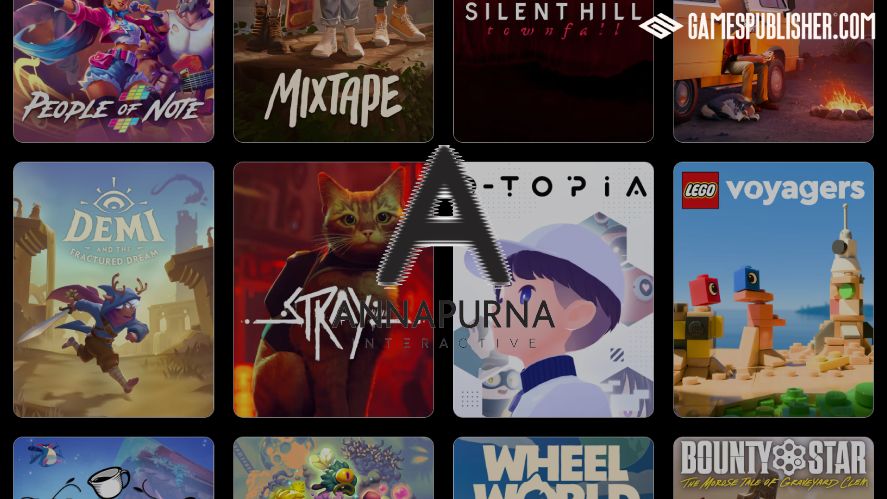
Genres Accepted: Narrative-driven, artistic, experimental games
What They Look For:
- Deep storytelling
- Emotional engagement
- Cinematic quality
Annapurna Interactive is ideal for story-focused indie game development.
They prioritize artistic expression and meaningful experiences over traditional gameplay loops.
tinyBuild
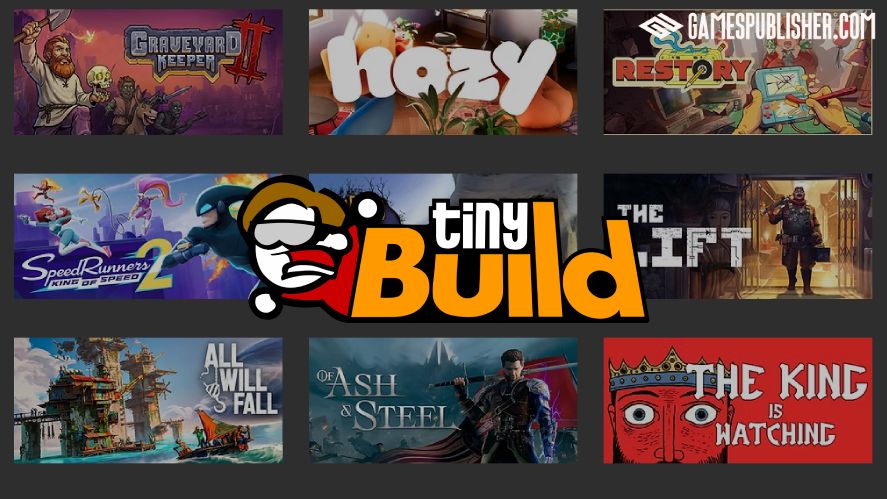
Genres Accepted: Sandbox, simulation, quirky indie, viral-style games
What They Look For:
- Streamer-friendly mechanics
- Viral potential
- Unique and engaging concepts
tinyBuild focuses heavily on marketability and audience engagement.
If your game has strong potential for content creators and online visibility, this publisher is worth considering.
Focus Entertainment
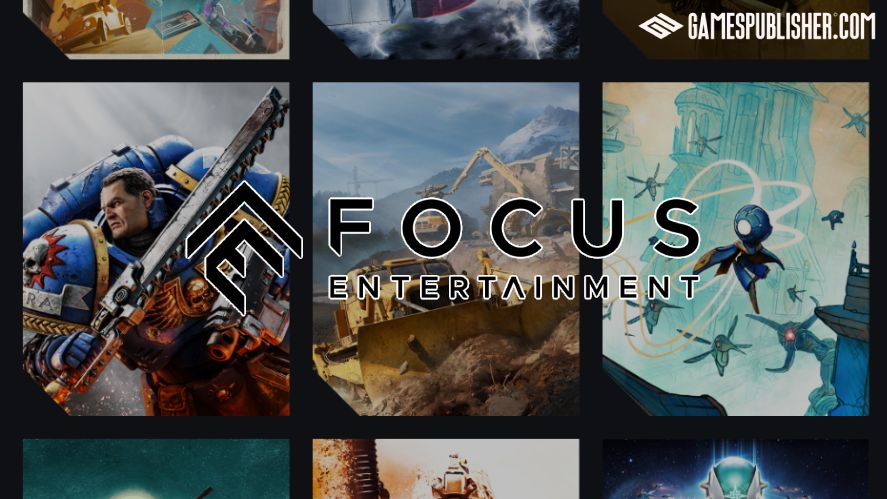
Genres Accepted: AA indie, RPGs, action, simulation
What They Look For:
- High production value
- Strong gameplay systems
- Scalable franchises
Focus Entertainment is better suited for more ambitious indie studios.
They often work on projects that sit between indie and AAA in scope.
Playstack
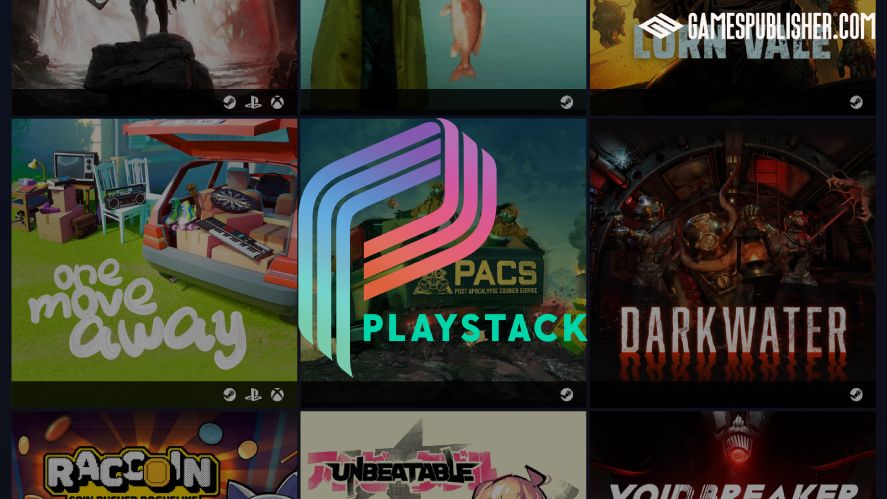
Genres Accepted: Indie titles across genres, especially innovative mechanics
What They Look For:
- Addictive gameplay loops
- Strong player retention
- Clear market differentiation
Playstack has a reputation for publishing breakout hits.
They focus on games with strong engagement metrics and long-term success metrics.
Fellow Traveller
Genres Accepted: Narrative, sci-fi, experimental storytelling games
What They Look For:
- Unique voices
- Diverse perspectives
- Strong writing
Fellow Traveller is known for supporting meaningful, story-rich experiences.
They are a great fit for developers focused on narrative depth.
Curve Games
Genres Accepted: Indie action, platformers, casual, simulation
What They Look For:
- Polished gameplay
- Accessible mechanics
- Broad audience appeal
Curve Games offers strong support in game publishing, especially in marketing and distribution.
They are a solid choice for developers targeting a wide player base.
Humble Games
Genres Accepted: Indie across genres, especially socially impactful games
What They Look For:
- Unique gameplay
- Emotional or social resonance
- Strong indie identity
Backed by the Humble Bundle ecosystem, Humble Games combines publishing support with strong community reach.
They are ideal for developers who want both visibility and purpose-driven projects.
Indie Game Publishers Accepting Submissions: What Developers Should Prepare
Getting noticed by indie game publishers accepting submissions is no longer just about having a good idea.
Publishers expect developers to come prepared with proof that their game can succeed in today’s competitive gaming industry.
At a minimum, most indie game developers should have the following ready before submitting:
- Playable demo or prototype: A working build shows that your concept actually works in practice. It also helps publishers evaluate gameplay, polish, and overall potential.
- Clear pitch deck: Your pitch should explain what your game is, who it’s for, and why it stands out. Include visuals, core features, development timelines, and basic game development details.
- Market positioning: What game genres does it belong to? Who is your target audience? How does it compare to similar indie games already on the market?
- Unique selling points (USP): What makes your game different? This could be a gameplay mechanic, art style, narrative approach, or innovation in design.
- Community traction: Wishlists, Discord members, social media followers, or demo feedback all act as success metrics that show your game has demand.
Preparing these elements improves your chances of getting signed.
It also shows publishers that you understand both development and game publishing.
Read More: How to Become an Indie Game Developer?
Indie Game Publishers Accepting Submissions: Trends in 2026
The expectations from top indie game publishers accepting submissions have shifted noticeably in 2026.
One of the biggest changes is the rise of hybrid monetization models.
Instead of relying only on one-time purchases, many indie game publishers are looking for games that can generate ongoing game revenue through DLCs, expansions, or live content updates.
This approach helps extend a game’s lifecycle and makes it more attractive from a business perspective.
At the same time, there is a stronger demand for replayability and continuous content.
Games that offer dynamic systems, procedural elements, or regular updates are more likely to succeed because they keep players engaged over time.
This directly impacts game sales and long-term retention, which are key concerns in today’s gaming industry.
Cross-platform development is also becoming a standard expectation.
Publishers increasingly favor projects that can launch across PC, console, and sometimes mobile.
Expanding across platforms allows developers to reach wider audiences and maximize visibility in a crowded indie game publishing space.
Finally, community-first development is now a major factor.
Publishers pay close attention to how indie game developers build and engage their audience.
Metrics like wishlists, Discord activity, and player feedback are treated as real success metrics, not just optional extras.
Strong community traction often signals that a game already has momentum before release.
Together, these video game industry trends show that publishers in 2026 are thinking beyond the initial launch.
Indie Game Publishers Accepting Submissions: Common Mistakes to Avoid
Even strong indie games can get rejected if developers make avoidable mistakes during the submission process.
One of the most common issues is submitting without a playable build.
Many indie game publishers accepting submissions expect a demo or prototype to evaluate gameplay.
Without it, your project may not even be considered, no matter how good the idea sounds on paper.
Another mistake is ignoring publisher genre preferences.
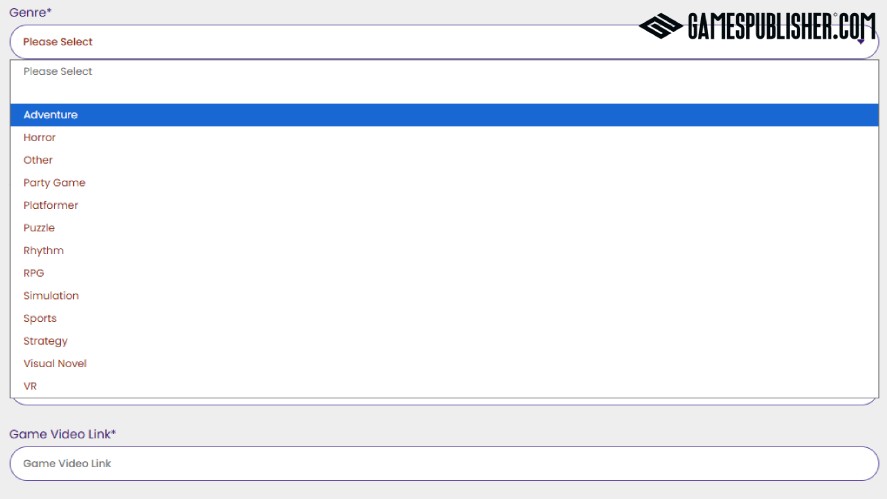
Each publisher focuses on specific game genres or styles.
So, sending a narrative-driven game to a publisher that specializes in multiplayer titles shows a lack of research and lowers your chances immediately.
A lack of clear audience targeting is also a problem. Publishers want to know who your game is for.
If you can’t define your target players or explain your market positioning, it becomes harder to justify potential game sales and long-term game revenue.
Finally, many developers overestimate scope.
Ambitious ideas are great, but unrealistic timelines or oversized projects can be a red flag.
Publishers prefer teams that understand the indie game development process and can deliver within reasonable constraints.
Conclusion
Finding the right indie game publishers accepting submissions is a critical step in turning a project into a successful release.
For indie game developers, the key is alignment.
Not every publisher is the right fit, and taking the time to research, prepare, and tailor your pitch can significantly improve your chances.
A strong demo, clear positioning, and a unique vision go a long way in standing out.
As indie game publishing continues to evolve, developers who focus on originality, execution, and understanding the business side of development will be in the best position to succeed.
Loading survey...