
The Top Indie Game Publishers of 2026 are leading a powerful shift in how games are made, marketed, and remembered. As the gaming industry evolves faster than ever, independent publishers are giving creators the freedom to innovate while still reaching global audiences. This is especially important as more developers aim to bring fresh stories, visuals, and mechanics to life through indie games.
At Gamespublisher.com, we believe that keeping track of which indie publishers are rising, which ones are evolving, and which remain reliable can help developers make smarter decisions. For those starting out in indie game development, or even for gamers and investors looking to follow video game industry trends, this list serves as a valuable guide. It highlights those publishers who are doing more than just putting out titles. They are shaping what success looks like in a crowded and fast-moving space.
In this guide, we will explore what makes a publisher stand out, rank the top indie game publishers of 2026, and offer advice for developers seeking to connect with the right partners. This isn’t just a list of names. It is a roadmap for growth, partnership, and creative freedom.
Top Indie Publishers 2026 – What Makes a Publisher “Top”?

Not all publishers operate the same way, and not all of them deserve the spotlight. While many focus on profit alone, the publishers highlighted here are known for their support, consistency, and ability to push the boundaries of indie video games. Let’s take a closer look at what sets the top players apart.
Reputation and Developer Support
In today’s competitive landscape, a publisher’s reputation is just as important as its catalog. More developers are speaking openly about their experiences, which means bad practices are harder to hide. As a result, the best indie publishers are those who treat their developers with fairness and respect.
First, great publishers offer clear communication and honest contracts. Developers need to know what to expect when it comes to revenue, timelines, and creative control. Publishers who keep everything transparent tend to build lasting relationships.
Second, many top publishers provide funding and development support, especially during the early stages of a game. This might include paying for production costs, connecting developers with artists or voice talent, or offering help with localization.
Third, strong publishers take care of game marketing, which is often a weak spot for new developers. From trailer production to social media campaigns, having a publisher that knows how to get eyes on your game can be the difference between success and silence.
Finally, developers want publishers who respect their creative direction. That’s why many of the best publishers are known for giving teams room to experiment while still offering structure when needed.
In short, the top publishers value their developers as partners, not just as content producers.
Game Successes and Awards
One of the clearest signs of a strong publisher is the performance of the games they support. While success is not only about numbers, high game sales, positive player reviews, and awards can tell us a lot.
For example, Devolver Digital has built a brand around releasing hit after hit, from Enter the Gungeon to Cult of the Lamb. These titles not only sold well but also became cultural moments within the indie games space. Similarly, Annapurna Interactive helped bring titles like Stray and Outer Wilds to the spotlight. Their strong narratives and unique visuals earned them attention from critics and fans alike.
Moreover, the best publishers understand that winning awards or getting high scores on Metacritic boosts visibility. It also increases trust in their future releases. These success metrics show they know how to spot talent and help that talent shine.
Beyond trophies and headlines, developers also look at engagement statistics. Games that keep players coming back signal that a publisher not only helps games launch but supports them post-release. Regular updates, events, and community support help extend a game’s lifespan.
Innovation and Niche Focus
Another factor that defines the top publishers is their commitment to innovation. Many of them choose to work in specific genres or styles, becoming experts in those areas.
For instance, DreadXP specializes in horror games, often working with short-form anthology projects that give developers a chance to experiment. By focusing on one niche, they’ve built a loyal fanbase that trusts their choices.
Fellow Traveller is another great example. Their focus on narrative-first games has led to critically acclaimed releases like Citizen Sleeper. Their brand attracts developers who want to tell deep, thoughtful stories.
In addition, niche publishers are often the ones pushing boundaries with art styles, music, or gameplay systems. These risks may not always result in massive game revenue, but they often lead to memorable experiences that keep fans engaged.
Furthermore, having a clear focus allows publishers to better align with the developers they support. This shared vision makes the entire indie game development process smoother, from concept to launch.
Top Indie Publishers 2026
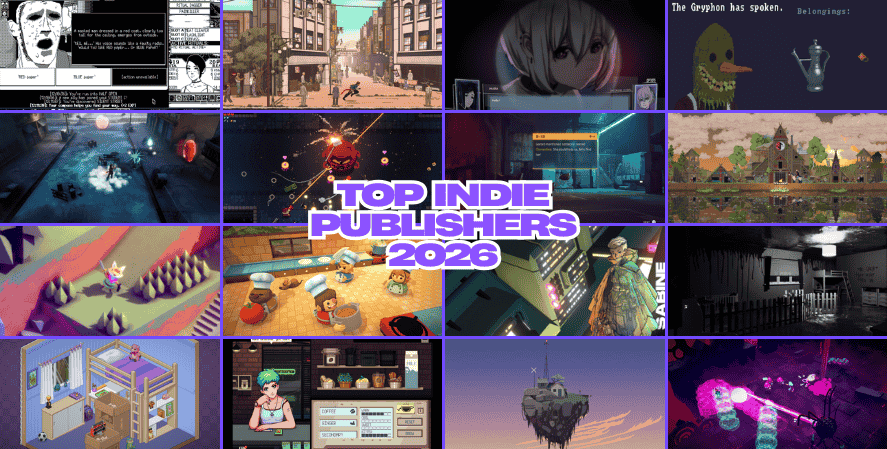
Now that we’ve covered what makes a publisher great, let’s dive into our curated list. These companies represent the best in indie game publishing today, whether they are fresh faces or seasoned leaders.
We’ve broken them down into four categories to help you find the best match for your needs as a player, developer, or investor.
Rising Stars in 2026
These are new publishers that have gained attention quickly. Their bold strategies, strong communication, and impressive early catalogs suggest they are here to stay.
1. Ysbryd Games
- Location: United States
- Known for: World of Horror
- Strength: Horror and narrative games with unique art styles Ysbryd Games has created a niche in eerie, stylish titles. Their support for bold ideas makes them a perfect partner for risk-taking developers.
- Location: Taiwan
- Known for: The Legend of Tianding
- Strength: Asian indie spotlight, multi-platform support This publisher focuses on bringing Southeast Asian voices to the global market. They are building bridges between cultures and helping creators reach new audiences.
- Location: United States
- Known for: Synergia
- Strength: Wide genre reach, support for edgier content Top Hat Studios doesn’t shy away from bold or controversial ideas. They help developers polish and promote games that might not fit with more traditional publishers.
4. Playstack
- Location: United Kingdom
- Known for: The Case of the Golden Idol
- Strength: Smart curation, strong marketing Playstack blends art and commerce well. Their games receive attention not just for quality, but because they know how to use marketing opportunities to drive interest.
- Location: United States
- Known for: Dreamscaper, Coromon
- Strength: Accessibility, developer-friendly terms Freedom Games aims to help developers with clear contracts and generous support. Their goal is to make the publishing process more transparent and developer-focused.
Industry Veterans Still Leading
These companies helped build the modern indie publishing scene and continue to lead with new releases and strong communities.
- Location: United States
- Known for: Enter the Gungeon, Cult of the Lamb
- Strength: Strong brand, viral marketing, developer trust Devolver remains a giant, both in popularity and consistency. Their games often blend action, humor, and clever design with massive success.
- Location: United States
- Known for: Stray, Outer Wilds
- Strength: Emotional, cinematic experiences Known for supporting deeply personal stories, Annapurna helps developers achieve both critical and commercial success.
8. Raw Fury
- Location: Sweden
- Known for: Kingdom: Two Crowns, Sable
- Strength: Artistic freedom, pixel and minimalist visuals They are known for being hands-off when needed and hands-on when it counts. Their understanding of both art and business is rare.
9. Finji
- Location: United States
- Known for: Tunic
- Strength: Design-driven support, co-development focus Finji acts as both a developer and publisher. They understand what creators go through and offer tailored support.
10. Team17
- Location: United Kingdom
- Known for: Overcooked, Blasphemous
- Strength: Mid-tier global reach, Switch and console expertise Team17 blends indie with mainstream. Their experience helps small teams deliver polished games to wide markets.
Genre-Specific Standouts
These publishers excel by focusing on a specific style, mood, or genre. They’re trusted experts in their niches and often build long-term fan loyalty.
11. Fellow Traveller
- Location: Australia
- Known for: Citizen Sleeper, The Stillness of the Wind
- Strength: Narrative-heavy, thought-provoking experiences This publisher stands out for supporting games that prioritize story and emotion. Their catalog is ideal for developers who focus on dialogue, relationships, and world-building.
12. DreadXP
- Location: United States
- Known for: Dread X Collection series
- Strength: Psychological horror, fast release cycles DreadXP is a leader in the indie horror scene. They often support smaller projects that let developers explore new mechanics or visual styles. As a result, they are known for launching new voices in horror gaming.
13. Humble Games
- Location: United States
- Known for: Unpacking, Slay the Spire, Temtem
- Strength: Cross-platform publishing, Game Pass connections As part of the Humble Bundle ecosystem, Humble Games brings funding and wide visibility. Their partnerships with platforms give developers increased game marketing reach and help with game sales.
14. Chorus Worldwide
- Location: Japan
- Known for: Coffee Talk, Paper Ghost Stories
- Strength: Translating and publishing Asian indie hits for global markets They specialize in supporting developers from Asia and making their games accessible to English-speaking audiences. Their multilingual approach gives developers access to broader revenue opportunities.
15. Akupara Games
- Location: United States
- Known for: Mutazione, Behind the Frame
- Strength: Artistic and polished presentation across PC and mobile They shine in visual storytelling and well-designed interfaces. Developers working on cross-platform titles with rich audio-visual elements often find success here.
Publishers to Watch in 2026
These publishers are not yet industry leaders, but they are gaining fast momentum. In many cases, they are redefining game publishing in creative or unexpected ways.
- Location: United Kingdom
- Known for: Lone Ruin, Grapple Dog
- Strength: Physical release knowledge, new to digital publishing Originally a physical-only game distributor, they’ve expanded into publishing. Their hybrid expertise makes them ideal for developers looking to reach collectors as well as digital audiences.
17. No More Robots
- Location: United Kingdom
- Known for: Descenders, Not Tonight
- Strength: Strong Discord and social media presence They work closely with communities to shape games in development. This results in highly engaged fanbases and stronger engagement statistics on launch.
18. Graffiti Games
- Location: United States
- Known for: Blue Fire, Turnip Boy Commits Tax Evasion
- Strength: Unique, quirky titles with cult potential Their lineup stands out for humor and originality. Developers with out-of-the-box ideas will find a good home here.
19. Whitethorn Games
- Location: United States
- Known for: Calico, Lake
- Strength: “Cozy games” and accessibility They focus on low-stress, feel-good gaming. If you’re building a relaxing or family-friendly title, this is one of the most welcoming publishers.
- Location: United States
- Known for: Classic IP revivals and new indie action games
- Strength: Nostalgia-based indie support Apogee helped launch the shareware era in the 90s. Now they are back, mixing old-school gaming values with new talent.
Top Indie Publishers 2026 – How Developers Can Connect
Getting a publisher’s attention can feel overwhelming, especially for newcomers. However, knowing what publishers want and how to present your project gives you a real advantage. Let’s look at how to approach the process.
What Publishers Are Looking for in 2026
In 2026, many indie game publishers are looking for games that match current video game industry trends. These include:
- Cozy or slice-of-life games that appeal to broad audiences
- Multiplayer features, including co-op or asynchronous systems
- Mobile-friendly designs that also scale to PC or console
- Games that can fit into popular categories like survival crafting, roguelike, or social sim
Moreover, publishers appreciate polished pitches. That means having a playable demo, clean branding, and a strong understanding of your core mechanics.
In addition, they look for developers who understand the importance of game marketing. While it’s the publisher’s job to help with promotion, creators who engage online and build small communities are seen as more valuable partners.
Pitching to Indie Publishers the Right Way
You don’t need an agent or a big studio background to pitch your game. In fact, many Indie Game developers find success through open pitch submissions, game events, or even social media.
To increase your chances:
- Submit demos during events like Steam Next Fest or Indiecade
- Include a pitch deck that shows your game’s visual style, target audience, and business plan
- Use platforms like itch.io and Game Jolt to build early support
- Create a short gameplay trailer that highlights your core loop
- Show how your game fits with the publisher’s past releases
Some publishers accept cold pitches through email or forms. Others scout actively on Twitter, Reddit, and Discord. Being visible in developer spaces helps a lot.
It’s also smart to connect with other developers. Many will share insights about what worked and what didn’t during their own pitch process. That kind of knowledge can make a big difference.
Red Flags: How to Avoid Bad Deals
Not every publisher acts in the developer’s best interest. That’s why it’s critical to watch for red flags in contracts and communication.
Be cautious if:
- The publisher demands full control over your IP
- You are expected to give up more than 50% of the game revenue
- Marketing or QA support is not clearly defined
- Contract terms are vague about post-launch revenue or royalties
- The publisher is difficult to reach or vague about timelines
A good publisher is transparent, communicates clearly, and helps you grow your career. If anything feels wrong during negotiations, it’s okay to walk away.
Moreover, ask for developer references. If a publisher refuses, that’s a warning sign. Connecting with past clients is one of the best ways to verify a publisher’s claims.
The Impact of Indie Publishers on Game Trends in 2026

Publishers do more than launch games. They also shape what kinds of games become popular. Their role in defining player tastes, building fan communities, and pushing technical standards continues to grow.
Shaping Player Expectations and Taste
In many ways, indie publishers act like tastemakers. When Annapurna releases a new narrative game, or when Devolver promotes a surreal action title, players immediately take notice.
This builds trust over time. Fans start to follow publishers, not just individual games. That’s why consistent branding matters. When publishers push certain styles, like pixel art, visual novels, or cozy farming sims, those genres grow faster.
Developers can use this trend to their advantage by aligning with publishers that match their vision. For instance, if your game has a lo-fi aesthetic and a heartfelt story, a publisher like Fellow Traveller might be a great match.
Cross-Platform Publishing Strategies
Another area where top publishers lead is in helping games reach multiple platforms. This includes:
- Steam and Epic Games Store for PC
- Nintendo Switch for indie-friendly console support
- Steam Deck, which is growing in popularity
- Xbox Game Pass for exposure and downloads
- iOS and Android for mobile-focused titles
By guiding developers through certification and porting, publishers increase reach and game sales. In addition, they often fund the development of console builds, which can be expensive for small studios.
Cross-platform access also improves engagement statistics, since players are more likely to buy and replay games they can access easily.
Community and Marketing Support
Lastly, great publishers help build communities around games. This includes managing Discord servers, creating Reddit threads, sending press releases, and supporting influencers on YouTube and Twitch.
Many publishers also run their own newsletters, blogs, and live events. These platforms give your game long-term visibility.
Strong game marketing support makes a huge difference. Even a brilliant game may fail if no one hears about it. That’s why choosing a publisher who invests in this area is so important.
Some publishers even offer post-launch support with DLC planning, holiday sales, and patches. These efforts keep games alive longer and drive more game revenue over time.
Conclusion: Choosing the Right Indie Publisher in 2026
The journey of becoming an Indie Game developer is filled with creative highs and business challenges. Picking the right partner for indie game publishing can make all the difference.
Rather than chasing the biggest names, focus on publishers that align with your genre, goals, and working style. Use the list of Top Indie Game Publishers in this guide to start your search. Review their past titles, talk to other developers, and always look for signs of good communication.
Success in the indie game development world is not just about finishing your game. It’s about getting it into the hands of players who will love it. The right publisher can help you do just that.
Stay tuned to Gamespublisher.com for updates, new publisher spotlights, and insights into the ever-changing gaming industry. We’re here to help you grow, launch, and thrive.
Loading survey...