

Submit game projects early is something many people in gaming think about, especially new creators. If you are working in game development, you might ask yourself this simple question. Do I need to finish my game before I show it to anyone?
The short answer is no. You can submit game builds even if they are not complete. In fact, many game developers do this on purpose. They want feedback, funding, or support from video game publishers before the game is done.
Today, the way games are made has changed a lot. Platforms like Gamespublisher.com, Steam, and itch.io have made it easier for a game developer to share work early. Because of this, game publishing is no longer only about finished products. Instead, it is now a process that can start much earlier.
However, this does not mean you should rush. There are clear benefits, but there are also risks. If you submit too early, players may lose interest. On the other hand, if you wait too long, you may miss chances for growth.
So, understanding when and how to submit game projects is very important. This guide will help you make the right decision, whether you are part of indie game development or aiming to work with Game Publishers.
Submit Game in Development What Does It Mean
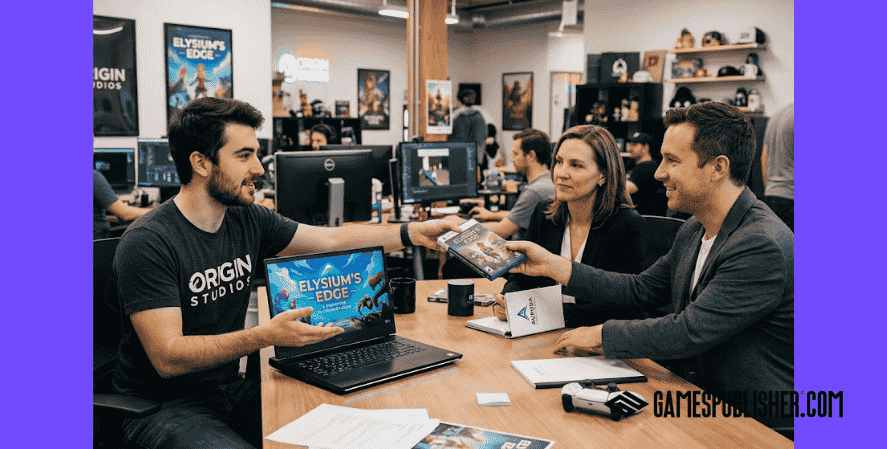
When you submit game projects during development, it means you are sharing a version that is not finished yet. This version could be very early or close to release. It depends on your goals.
In game on development, there are several stages. Each stage shows how complete your game is.
- Pre alpha. The idea is still forming and core systems are not stable
- Alpha. Basic gameplay works, but many features are missing
- Beta. Most features are done, but bugs still exist
- Vertical slice. A small part of the game looks polished and complete
Because of these stages, a video game developer does not always need a full game to start sharing it. Instead, a strong demo can already open many doors.
Also, different video game genres may need different levels of polish. For example, a story game may need strong visuals early, while a sandbox game can start simple.
What platforms accept in development games
Now that you understand the stages, the next step is knowing where to submit game builds.
First, Steam Early Access is one of the most popular options. It allows game developers to sell unfinished games while still improving them. Players know the game is not complete, so expectations are clear.
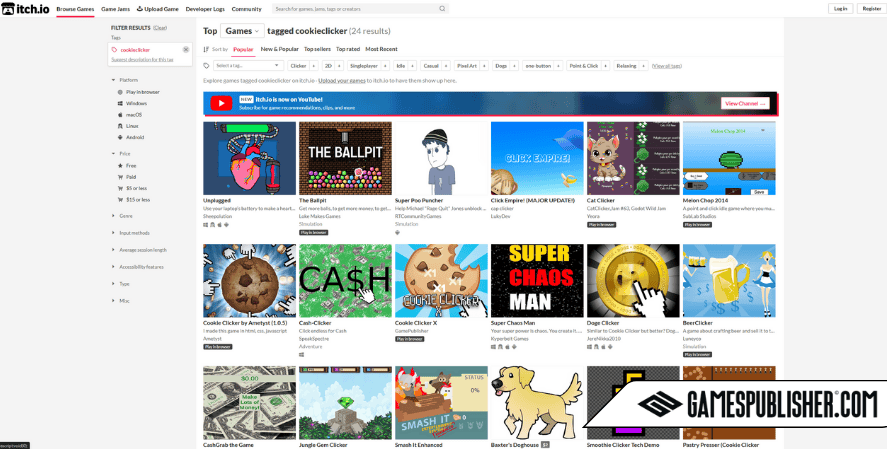
Next, itch.io is great for smaller or experimental projects. It is very flexible and supports many types of game genres. Because of this, it is perfect for indie game development.
Then, crowdfunding platforms like Kickstarter and Gamefound allow you to present your idea and early build. Instead of selling the game, you ask for support to finish it.
Finally, some video game publishers accept early submissions through their websites. These are usually more formal and require better preparation.
So, each platform serves a different purpose. Some focus on feedback, others on funding, and others on full game publishing.
Publisher expectations for in development games
When you submit game ideas to publishers, the expectations are higher. Even if the game is not finished, it still needs to show clear potential.
Most Game Publishers look for a few key things.
- A playable prototype
- A clear pitch deck
- Gameplay video
- A simple Game Design Document
- A defined audience and genre
In addition, they want to see that you understand your market. This includes knowing where your game fits among other video game genres.
For example, a puzzle game must show what makes it different. A shooter must show its core mechanic clearly.
Also, many successful games were submitted early. Titles like Hades and Dead Cells started as in development builds. Over time, they improved through feedback and updates.
So, learning how to submit a game idea the right way can make a big difference. It can turn a small project into a big opportunity.
Submit Game to Get Early Feedback
One of the biggest reasons to submit game projects early is feedback. This step can shape your game in ways you may not expect.
Benefits of community feedback during development
When players try your game early, they see things differently. Because of that, they can point out issues you may miss.
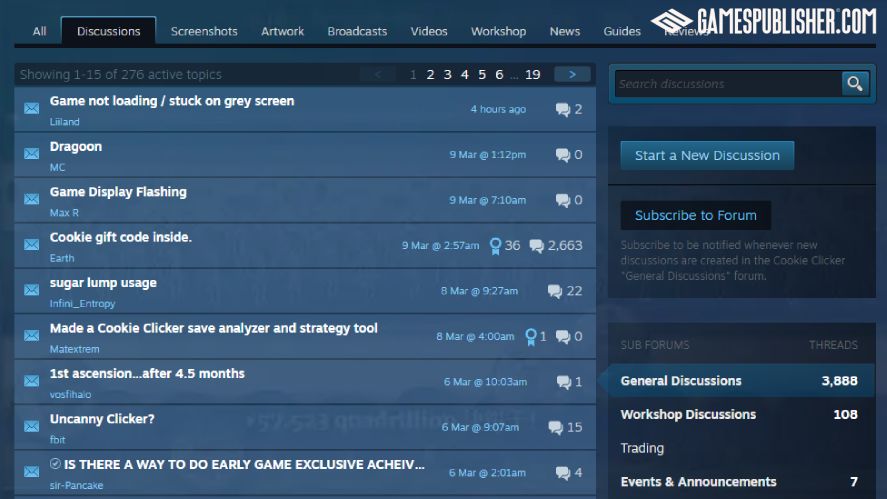
For example, they may notice:
- Controls that feel awkward
- Levels that are too hard or too easy
- Features that are confusing
- Bugs you did not catch
Because of this, feedback helps game developers improve faster. It also helps avoid bigger problems later.
In addition, early feedback helps build a community. Players who join early often stay until release. They feel connected to the project.
Many well known games improved this way. Minecraft is a great example. It started small, but player feedback helped shape its world. The same goes for Subnautica and Hades.
So, feedback is not just helpful. It is often essential in modern video game development.
Using platforms like itch.io or Steam Early Access
If your goal is feedback, you need to prepare before you submit game builds.
First, make sure your build is stable. It does not have to be flawless, but it should run smoothly without frequent crashes.
Next, create a clear page. Add screenshots, videos, and a simple description. Explain what the game is and what stage it is in.
Then, be honest. Tell players what works and what does not. This builds trust.
You should also include:
- A short roadmap
- Known issues
- Contact or community links
Because of this, players know what to expect. They are more likely to give useful feedback instead of just criticism.
Also, keep updating your game. When players see progress, they stay engaged.
Submit Game to Publishers While in Development
At some point, you may want to submit game projects to publishers. This step is very important if you need funding, marketing, or support.
Unlike public platforms, video game publishers are more selective. Because of this, you need to prepare better before you reach out.
Pitching your in progress game
When you submit game builds to a video game publisher, you are not just showing a game. You are showing a full idea with potential.
To do this well, you need a few key things.
- A working prototype that shows the core gameplay
- A pitch deck that explains your idea clearly
- Gameplay footage that looks clean and easy to follow
- A plan for development and release
In addition, you should explain your target audience. Show where your game fits in current game genres and why players will care.
Also, it helps to show progress. For example, if you already have a small community or demo downloads, mention it. This builds trust.
Because of this, publishers can see that your project is not just an idea. It is something real that can grow.
Publisher submission portals what they look for
Most Game Publishers have submission forms on their websites. Each one is different, but they often ask for similar details.
Some well known examples include:
These companies look for creativity, but they also look for clarity.
A strong submission usually has:
- Clear gameplay explanation
- Strong visuals or trailer
- A focused concept
- Realistic scope
On the other hand, a weak submission often feels rushed. It may lack direction or show too many unfinished ideas.
Because of this, timing matters. You do not need a finished game, but you do need a strong presentation.
So, before you submit game projects to publishers, take time to polish what you show.
Submit Game on Crowdfunding Platforms
Another way to submit game projects early is through crowdfunding. This option is popular, especially in indie game development.
Instead of asking publishers, you ask players to support your game.
Kickstarter Fig and Gamefound for in dev games
Platforms like Kickstarter, Fig, and Gamefound allow game developers to present early builds or even just concepts.
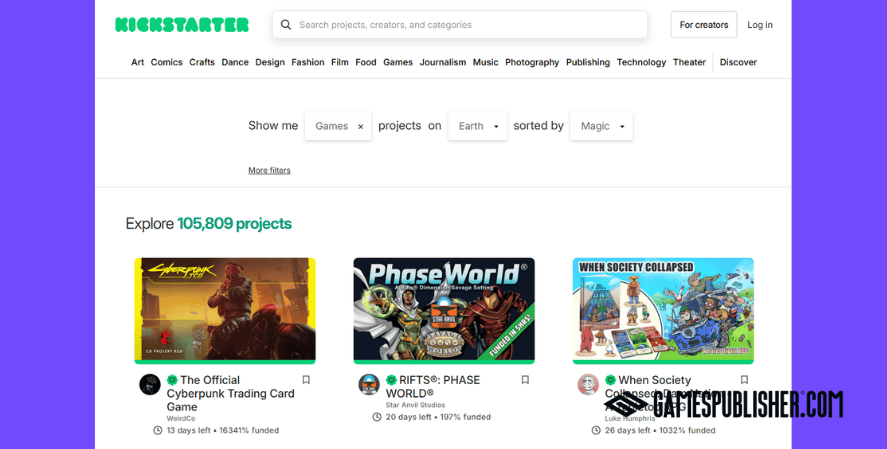
However, success depends on how you present your project.
To improve your chances, you should:
- Show clear gameplay or a prototype
- Use high quality visuals and videos
- Explain your idea in simple terms
- Share your development plan
Also, rewards play a big role. People want to feel involved.
Common reward ideas include:
- Early access to the game
- Exclusive content
- Behind the scenes updates
- Physical items like art books
Because of this, crowdfunding is not just about money. It is about building a community around your game.
Realistic promises and delivery timelines
While crowdfunding is powerful, it also comes with risks.
One common mistake is overpromising. Some game developers try to add too many features just to attract attention. Later, they struggle to deliver.
To avoid this, keep your plan realistic.
- Set achievable goals
- Add extra time for delays
- Be clear about what may change
Also, keep your backers updated. Regular updates build trust and keep people engaged.
Because of this, a well managed campaign can boost your reputation. On the other hand, a poorly managed one can hurt your future in game publishing.
Legal and Business Considerations
Before you submit game projects early, you also need to think about legal and business factors. These are often overlooked, but they are very important.

Protecting your IP when submitting early
Your game idea and assets are valuable. So, you need to protect them.
Some basic steps include:
- Registering copyrights for your work
- Using trademarks for your game name if possible
- Sharing sensitive details only when needed
If you are working with a video game publisher, you may also use NDAs. These help protect your idea during discussions.
While idea theft is not very common, it can happen. Because of this, it is better to be careful from the start.
Monetization and funding issues
Many developers also ask if they can earn money from an unfinished game. The answer is yes, but there are rules.
For example, Steam Early Access allows you to sell your game. However, you must clearly state that it is not finished.
You also need to:
- Be honest about the current state
- Provide updates over time
- Follow refund policies
Because of this, transparency is very important.

At the same time, many people ask questions like how much do game developers make or how much does a game developer make in these early stages.
The truth is, income can vary a lot.
Some video game developers earn strong revenue during early access. Others earn very little and focus more on feedback.
It depends on:
- The quality of the game
- The size of your audience
- Your pricing strategy
- Your marketing efforts
So, while early submission can bring income, it should not be your only goal.
Conclusion
So, can you submit game projects that are not finished yet? Yes, you can. In fact, it is now a common part of modern video game development.
However, how you do it matters more than when you do it.
If you submit too early without direction, you may lose interest. But if you prepare well, even a small demo can open big opportunities.
You can use early submission to:
- Get feedback from players
- Build a community
- Attract video game publishers
- Secure funding through crowdfunding
For this reason, submitting early is more than just a choice. It is a strategy.
Platforms like Gamespublisher.com help game developers understand this process better. They guide you on when to submit, where to submit, and how to present your game.
In the end, success in game publishing is not only about finishing a game. It is about making smart decisions at every stage of development.
Loading survey...