

Generative AI in games continues to change how developers create, publish, and market video games in 2026. From large AAA studios to small indie teams, developers use AI to explore ideas, create assets, and improve production workflows.
Tools like Unity AI, Inworld AI, and Runway offer new ways to support game development and marketing. However, studios must also consider copyright, content quality, and platform requirements.
This guide explores how generative AI affects game publishing, from early development to global distribution. It also examines real industry examples, emerging opportunities, and the challenges developers face in 2026.
Generative AI in Games: The 2026 Landscape

The Maturity of Generative AI in Gaming
In 2026, generative AI supports many stages of game development and publishing. Developers use it to create concept art, explore story ideas, write code, and build prototypes.
Some video game publishers also experiment with AI-powered characters and interactive dialogue. However, adoption varies between studios, and developers still need to review AI-generated content for quality and accuracy.
How Indie and AAA Studios Use Generative AI
Independent developers and AAA studios use AI for different reasons.
Small teams and indie video game publishers can use AI to explore ideas, create prototypes, and manage routine tasks with limited resources.
Larger studios may use AI to support asset production, localization, testing, and character development.
Both approaches require human oversight to maintain quality and protect creative originality.
Tools Defining the Era
Several AI tools support game development and publishing in 2026:
- Unity AI: Helps developers write code, create assets, and manage scenes within Unity.
- Scenario: Helps artists create game assets and maintain consistent visual styles using custom models.
- Inworld AI: Supports interactive AI experiences and character development.
- Runway: Helps creative teams generate and edit video content.
- Synthesia: Supports AI-generated presentation videos and promotional content.
These tools can support different stages of the game publishing process. Studios should choose tools based on their project needs, licensing terms, and production goals.
Generative AI in Games: Enhancing Game Development Pipelines

Automating Art and Asset Creation
One common application of generative AI in game development is asset creation.
AI tools can help artists produce concept art, textures, character designs, and environmental assets.
For example, Scenario allows developers to train custom models using their own visual references. This can help teams maintain a consistent art style across a project.
Potential benefits include:
- Faster visual prototyping.
- More opportunities to explore different art styles.
- Reduced workloads for repetitive design tasks.
- Better visual consistency across assets.
Artists still need to review, refine, and approve the results before adding them to a finished game.
AI-Driven Level and World Design
Developers can use generative AI to explore level layouts, environmental designs, and quest ideas.
Traditional procedural generation uses algorithms and rules to create game content. Generative AI uses trained models to produce new content. Although these approaches differ, developers can combine them within a project.
Potential applications in open-world and sandbox games include:
- Exploring different map layouts.
- Creating environmental design concepts.
- Developing quest ideas and location descriptions.
- Supporting the creation of large game worlds.
Developers must still test these environments to ensure they offer enjoyable and balanced gameplay.
Dynamic Narrative and Dialogue Generation
IGenerative AI gives game writers new ways to explore character dialogue, story branches, and player interactions.
For example, developers can use AI tools to draft conversations and explore different responses to player choices.
Potential applications include:
- Interactive conversations with non-player characters (NPCs).
- Dialogue that responds to player decisions.
- New quest ideas and story branches.
- Character responses based on gameplay events.
These features may offer new opportunities for developers working on an RPG game.
However, writers must maintain consistent character personalities, story quality, and narrative direction. AI-powered dialogue also requires safeguards to prevent inappropriate or inaccurate responses.
Generative AI in Games: Revolutionizing Publishing and Marketing

AI in Player Segmentation and Predictive Analytics
Game publishers can use AI to analyze player behavior, explore market trends, and support marketing decisions.
Traditional machine learning helps publishers identify patterns in large datasets. Generative AI can help teams summarize research findings and explore marketing ideas based on those insights.
Common applications include:
- Identifying potential target audiences.
- Reviewing player feedback.
- Exploring market opportunities.
- Supporting launch and marketing strategies.
However, AI predictions do not guarantee commercial success. Publishers must combine these insights with reliable data, market research, and human judgment.
Personalized Marketing Content
Generative AI can help game publishers create promotional content for different audiences and platforms.
Tools like Runway and Synthesia support video production, while other AI tools can assist with promotional images and written content.
Potential applications include:
- Creating concepts for game trailers.
- Drafting social media posts.
- Preparing promotional content for different regions.
- Exploring new advertising ideas.
Publishers should combine these tools with effective game marketing strategies to reach the right audience.
They should also ensure that promotional materials accurately represent the game’s actual features and gameplay.
AI-Generated Localization and QA
TAI can assist with game localization and quality assurance (QA), helping studios prepare their games for different markets.
Developers can use AI to:
- Draft translations for game dialogue and menus.
- Identify possible inconsistencies in translated content.
- Create test scenarios and summarize bug reports.
- Assist with repetitive testing tasks.
However, professional translators and testers remain important. They help ensure cultural accuracy, clear communication, and reliable gameplay.
For independent game publishers, AI can provide additional support when resources are limited. The actual benefits depend on the tools, project size, and quality control process.cost.
Generative AI in Games: Ethical, Legal, and Creative Challenges

Ownership of AI-Generated Content
Copyright remains an important concern for studios using generative AI in games.
According to the U.S. Copyright Office, AI-assisted content may qualify for copyright protection when it includes enough human creative input. Using an AI tool alone does not automatically give its user copyright ownership.
Game developers should review:
- Commercial usage rights for AI-generated assets.
- Copyright and licensing requirements.
- Permissions for training materials and creative references.
- Agreements covering voice, artwork, and other creative contributions.
Copyright rules differ between countries. Publishers should review the requirements of their target markets before releasing a game.
Job Displacement vs Augmentation
The growing use of AI has raised concerns among game artists, writers, programmers, and testers.
AI can help teams complete routine tasks and explore creative ideas. However, it may also change job responsibilities and reduce demand for certain types of work.
The impact varies depending on how studios use the technology.
Game publishers should provide clear AI usage guidelines, respect creative workers, and support training opportunities as production methods evolve.
Balancing Creativity and Automation
Generative AI can support creative work, but it cannot guarantee originality or quality.
Developers should use AI to explore ideas and assist with production while maintaining human control over important creative decisions.
A balanced approach includes reviewing generated content, maintaining a consistent artistic direction, and testing the results with real players.
This helps studios use AI without losing the creative identity that makes their games unique.
AI Disclosure Requirements for Game Publishing
Game publishers must also consider how digital stores handle AI-generated content.
According to the Steamworks Content Survey, developers must disclose relevant AI-generated content that ships with their games.
Steam distinguishes between two types of content:
- Pre-generated content: AI-assisted artwork, dialogue, audio, localization, or other materials that developers include in the released game.
- Live-generated content: Content that AI creates while players interact with the game.
Developers who use live-generated AI must also explain how their safeguards prevent illegal content.
Studios should review each distribution platform’s current requirements before submitting a game for publication.
Generative AI in Games: Notable Case Studies in 2026
Several companies continue to explore how generative AI in games can support interactive characters and new gameplay experiences.
inZOI — AI-Powered Life Simulation
- Company: KRAFTON
- Technology: NVIDIA ACE
- AI application: Autonomous character behavior.
The life simulation game inZOI features an experimental system called Smart Zoi. It uses AI to help characters make decisions and respond to their surroundings.
This technology demonstrates how AI can support character interactions in simulation games.
PUBG Ally — AI-Powered Gaming Companion
- Company: KRAFTON
- Technology: NVIDIA ACE
- AI application: Interactive AI companion.
KRAFTON demonstrated PUBG Ally with long-term memory at CES 2026. The technology allows an AI companion to understand spoken commands and respond to gameplay situations.
This project explores how AI companions could support players during multiplayer-style gaming experiences.
Official NVIDIA PUBG Ally case study
Ubisoft’s Teammates — Interactive AI Characters
- Company: Ubisoft
- Project type: Research and development experiment
- AI application: Natural conversations and responsive characters.
Ubisoft introduced Teammates in November 2025 as a playable research project. It explores how players can interact with game characters through natural speech.
The company continued investing in the technology in 2026 through the team behind the project.
Official Ubisoft Teammates announcement
These examples show how game companies are exploring new uses for generative AI. However, experimental projects do not guarantee commercial success or widespread adoption.
Generative AI in Games: The Future Outlook
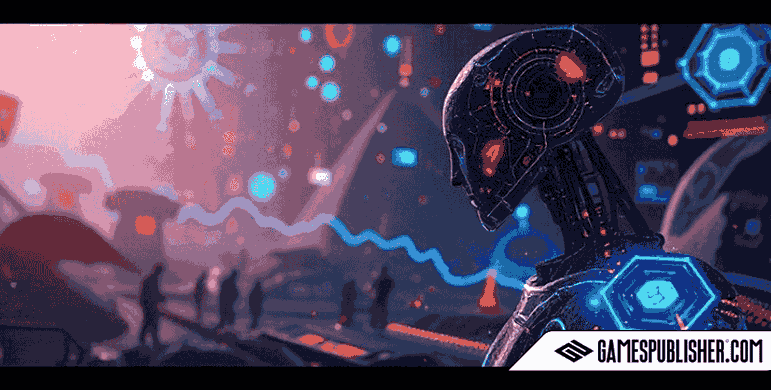
What’s Next? 2026–2028
Over the next few years, generative AI may continue to influence how developers create and publish games.
Potential developments include:
- More interactive and responsive game characters.
- Improved tools for creating and editing game assets.
- Better support for localization and game testing.
- More accessible development tools for independent studios.
- Greater attention to copyright and AI disclosure requirements.
The pace of adoption will depend on technological improvements, production costs, player feedback, and industry regulations.
Strategic Advice for Studios
Game studios should take a practical approach when adopting generative AI.
- Start with small projects: Test AI tools before adding them to larger production workflows.
- Review licensing terms: Confirm that tools and generated assets meet commercial usage requirements.
- Maintain human oversight: Let creative teams guide and review AI-assisted work.
- Protect sensitive information: Avoid sharing confidential project data with unapproved AI services.
- Follow publishing requirements: Review platform policies and disclose AI usage when necessary.
Studios should measure the actual benefits of each tool instead of assuming that AI will automatically reduce costs or improve game quality.
Conclusion
Generative AI in games continues to influence game development, marketing, and publishing in 2026.
From asset creation and interactive dialogue to localization and promotional content, AI offers useful opportunities for both independent developers and larger studios.
However, successful adoption requires human creativity, quality control, responsible AI usage, and careful attention to copyright and publishing requirements.
As the gaming industry evolves, GamesPublisher.com will continue to explore how emerging technologies help developers create and publish better games.
Loading survey...