
Finding the Right Publisher for Your Console Game in 2026 is one of the most important steps in turning a strong game idea into a successful commercial release. A good publisher can help with funding, platform strategy, marketing, localization, certification, and post-launch support.
However, not every publisher is the right fit for every developer. In 2026, console publishing is more competitive because players expect polished releases, strong platform support, and long-term updates after launch. Because of this, developers need to compare each publisher’s experience, portfolio, contract terms, and marketing support before making a decision.
Platforms like GamesPublisher.com can help developers better understand the publishing process and prepare before reaching out to potential partners.
Understanding Different Types of Publishers
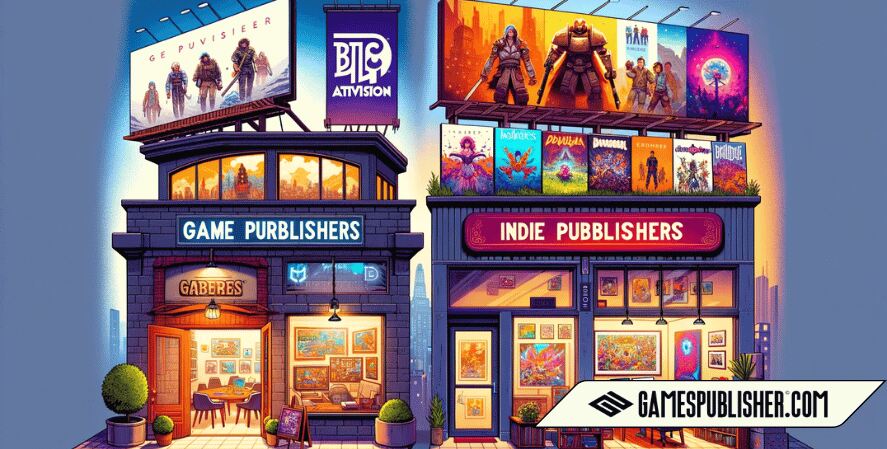
- Major Publishers: Companies like Activision Blizzard and Square Enix bring extensive resources and broad market reach. Their capabilities include sophisticated marketing strategies and substantial funding, which can significantly boost a game’s visibility and sales.
- Indie Publishers: Publishers such as Devolver Digital are celebrated for their willingness to support innovative and creative game ideas. They often embrace riskier projects that might not fit the portfolios of larger publishers.
- Boutique Publishers: These are known for their personalized support and focus on niche markets. They may offer more customized marketing strategies and closer, more personal collaborations, which can be advantageous for games targeting specific player demographics.
Preparing to Approach Console Publishers in 2026
- Game Presentation: Creating a compelling game pitch and prototype is fundamental. Your presentation should succinctly communicate the uniqueness of your game and how it fits with a publisher’s existing brand and audience.
- Research: Thorough research is critical to ensure a potential publisher’s portfolio aligns with the genre and style of your game. It’s important to understand their market reach, past successes, and the type of support they provide developers.
What Console Publishers Usually Look For in 2026
In 2026, console publishers usually look for more than a creative idea. They want to see a clear game concept, strong gameplay footage, a realistic development timeline, and proof that the project fits a specific audience.
A strong pitch should include the game’s genre, target platforms, budget needs, monetization plan, and post-launch potential. In addition, developers should explain why the game belongs on consoles such as PlayStation, Xbox, or Nintendo Switch.
Publishers may also review the team’s experience, production progress, and ability to respond to feedback. Therefore, a polished prototype or vertical slice can make the pitch much stronger. It shows that the developer understands the game’s direction and can deliver a playable experience.
Evaluating Publisher Offers in 2026
- Financial Considerations: Detailed understanding of funding, royalties, and other financial terms is essential. This helps in assessing the economic viability of the partnership.
- Marketing and Promotion: Assess the publisher’s ability to effectively market and promote games. Consider their track record with previous campaigns, their engagement on social media, and relationships with influencers and other media outlets.
- Post-launch Support: Consider the extent of support offered after the game’s launch, such as updates, community management, and additional content (DLCs). Continuous support is crucial for the ongoing success of any game.
Red Flags to Watch for Before Signing
Finding the Right Publisher for Your Console Game also means knowing which deals to avoid. While a publisher may offer funding or marketing support, developers should carefully review the full agreement before signing.
One red flag is unclear ownership of intellectual property. If the contract does not clearly explain who owns the game, characters, brand, and future sequel rights, the developer may lose control later. Another concern is vague marketing commitments. For example, a publisher may promise promotion but provide no clear budget, timeline, or campaign plan.
Developers should also be careful with long contract terms, high revenue shares, hidden fees, or limited transparency in sales reporting. As a result, it is always wise to ask questions, compare offers, and seek legal advice before accepting a deal.
Questions to Ask Before Accepting a 2026 Game Publishing Deal
Before accepting a game publishing deal in 2026, developers should ask direct questions about money, ownership, marketing, reporting, and support. This helps avoid confusion later.
Useful questions include:
- Who owns the game’s intellectual property?
- What percentage of revenue does the publisher receive?
- What marketing support is guaranteed?
- Who pays for localization, ratings, and platform certification?
- How often will sales reports be shared?
- What happens if the game underperforms?
- How long does the contract last?
- Are sequels, DLCs, ports, or future versions included in the agreement?
These questions can help developers understand whether the offer is fair. More importantly, they can reveal whether the publisher is transparent and serious about long-term support.
Common Red Flags in 2026 Publisher Contracts
Some publishing offers may look helpful at first, but the contract details can create problems later. In 2026, developers should be especially careful with unclear ownership terms, vague marketing promises, and long contract periods with limited exit options.
Another red flag is a lack of transparency in sales reporting. If the contract does not explain how revenue is tracked and reported, it may become difficult to confirm earnings. In addition, developers should review any clauses related to sequels, ports, DLC, subscription services, and future versions of the game.
Because of this, developers should avoid signing quickly. Instead, they should review the agreement carefully and consider legal advice before making a final decision.
Recommended Console Game Publishers to Research in 2026
It’s crucial to understand the key legal points, including rights ownership, revenue sharing, and the duration of the contract. These elements are fundamental to protecting your interests and ensuring the terms of collaboration are fair.
Recommended Publishers
Here is a credible list of recommended publishers, each known for their distinct approach and support for developers:
- Ubisoft: Known for their significant market reach and consistent investment in high-quality game titles.
- Nintendo: Offers a unique platform and is particularly supportive of games that align with their family-friendly brand.
- Electronic Arts (EA): With a broad portfolio, EA supports a wide range of sports and adventure titles.
- Sony Interactive Entertainment: Ideal for developers looking to tap into the extensive PlayStation network.
- Take-Two Interactive: Known for their successful franchises and robust marketing.
- Indie Publishers like Annapurna Interactive: Focuses on artistic and narrative-rich games, providing a platform for more creative and less mainstream projects.
Building Strong Publisher Relationships in 2026
Maintaining effective communication and building a strong, transparent relationship with your publisher can greatly impact the success of your game. It’s important to establish clear expectations and foster trust through regular interactions.
FAQs About Finding the Right Publisher for Your Console Game
A console game publisher can help with funding, marketing, platform strategy, localization, certification, distribution, and post-launch support.
Not always. However, a publisher can be helpful if you need funding, marketing support, console platform guidance, or help reaching a larger audience.
Prepare a pitch deck, gameplay footage, screenshots, a playable prototype, a budget estimate, and a clear development timeline.
A good publisher should understand your genre, support your target platform, communicate clearly, and offer fair contract terms.
Yes. A publishing contract can affect your revenue, ownership, and future rights, so legal review is strongly recommended.
Conclusion
Choosing the right publisher can shape the future of your console game. A strong publishing partner can provide funding, marketing support, platform guidance, and long-term growth opportunities. However, the wrong partnership can limit creative control, reduce revenue, or create problems after launch.
That is why Finding the Right Publisher for Your Console Game requires careful research, a strong pitch, and a clear understanding of contract terms. By comparing publisher types, reviewing offers carefully, and building honest communication, developers can choose a partner that supports both their creative vision and business goals.
Loading survey...