
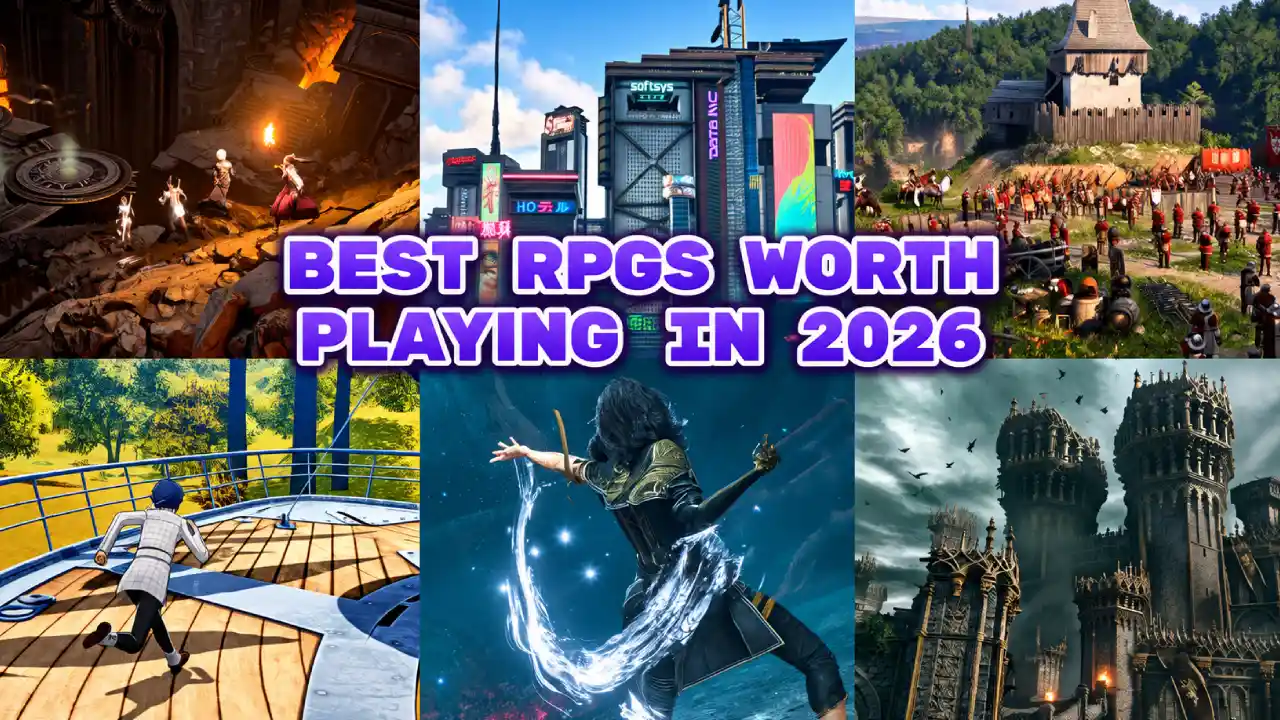
RPGs remain one of gaming’s broadest genres.
They cover everything from massive story-driven adventures and tactical campaigns to action RPGs and even idle games.
That variety gives players many ways to enjoy role-playing, whether they want deep character choices, challenging combat, exploration, or long-term progression.
RPGs are also useful examples from a game-development and publishing perspective.
Their progression systems, character building, world design, player choices, and reward structures can create very different experiences.
Some focus on narrative freedom, while others build engagement around combat mastery, exploration, or long-term progression.
This guide brings together some of the best RPG games worth playing right now.
The selection is based on the overall quality, RPG mechanics, player choice and progression, longevity, accessibility, and how well each game continues to hold up today.
Top 10 RPG Games You Should Play Right Now
There is no single best type of RPG.
The top RPG games below take very different approaches to role-playing, so the right choice depends on the kind of combat, storytelling, difficulty, and time commitment you prefer.
Best RPGs for Deep Role-Playing — Baldur’s Gate 3
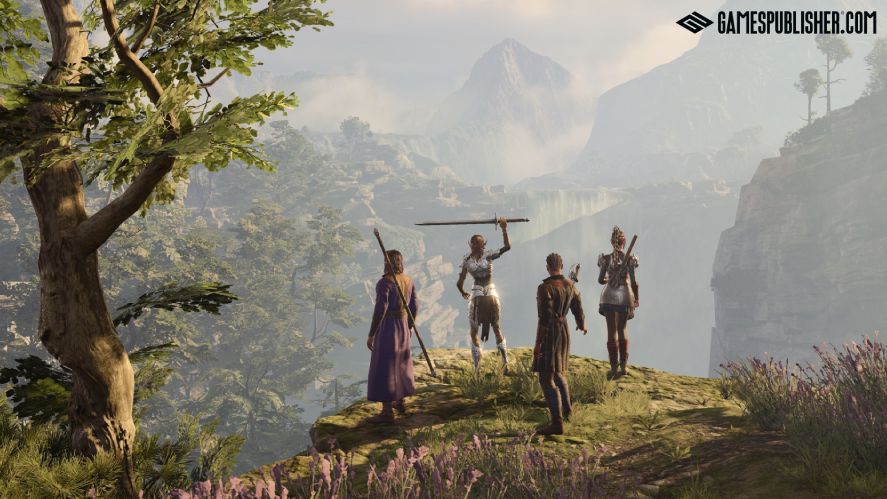
Baldur’s Gate 3 remains one of the strongest choices for players who want deep role-playing and meaningful freedom.
Built around Dungeons & Dragons rules, it gives players extensive options for creating characters, choosing classes, building parties, and shaping relationships with companions.
Its turn-based combat also rewards planning, positioning, and creative use of abilities.
What makes it stand out is how closely its systems connect to the story and world. Dialogue choices, character builds, exploration, and decisions can change how quests unfold and how characters react to you.
Larian designed the game around player agency, with different character choices opening different interactions and outcomes rather than simply changing a few lines of dialogue.
From a development perspective, Baldur’s Gate 3 is a strong example of how interconnected systems can create emergent experiences.
When character abilities, environmental interactions, companions, quests, and player decisions all react to one another, players can create situations that feel personal to their own playthrough.
Best for: Players who value choice, characters, exploration, and replayability.
Clair Obscur Expedition 33
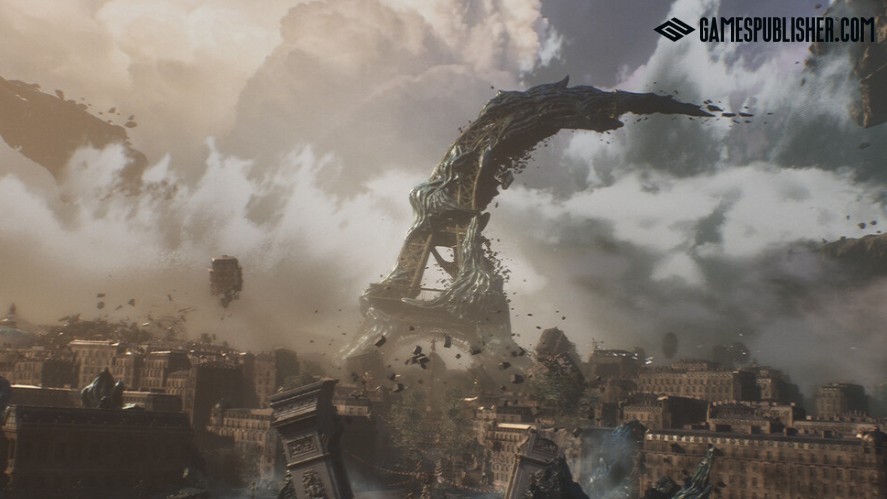
Clair Obscur: Expedition 33 puts a modern spin on the turn-based RPG.
Its combat combines traditional command-based battles with real-time actions, allowing players to dodge, parry, counter, chain attacks, and target enemy weak points.
This gives battles a more active feel than RPGs where players simply select commands and wait for the results.
The game is set in a striking fantasy world inspired by Belle Époque France, where the members of Expedition 33 set out to stop the Paintress and break her cycle of death.
Players build a party, level up characters, and customize their expeditioners through gear, stats, skills, and character synergies.
Its combination of distinctive world design, character progression, emotional storytelling, and active combat makes it one of the great RPG games for players who want something that feels familiar but still different from traditional turn-based adventures.
Best for: Players looking for a modern, visually distinctive turn-based RPG.
Kingdom Come Deliverance II
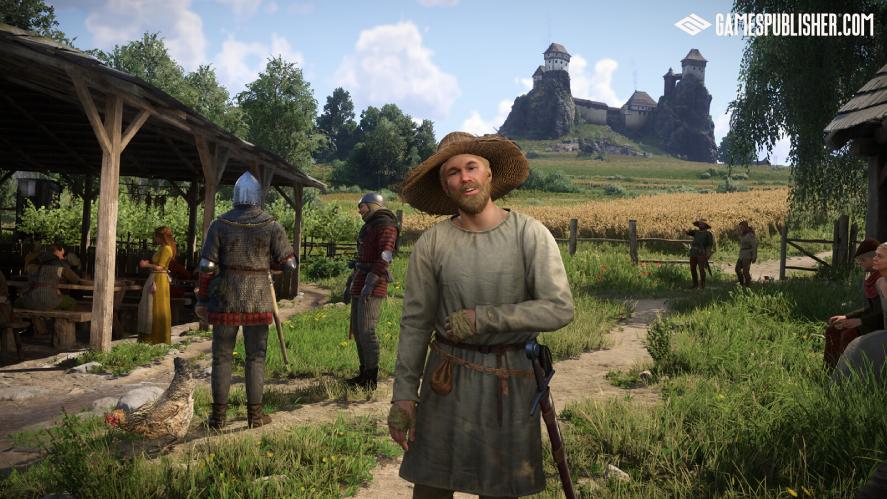
Kingdom Come: Deliverance II is a strong choice for players who want immersive, grounded medieval role-playing.
Set in 15th-century Bohemia, it puts you in the role of Henry as he navigates a world shaped by politics, conflict, social standing, and everyday life.
Its first-person combat, skills, dialogue, reputation, and quest systems make progression feel closely tied to the character and world.
How you approach conversations and quests can affect your reputation and open different ways to solve problems.
Instead of quickly turning Henry into an unstoppable hero, the game makes improvement feel earned as he becomes more capable through practice and experience.
That grounded approach sets it apart from power-fantasy RPGs.
The world has its own rules, and learning how to fight, negotiate, travel, and survive is part of the role-playing experience.
Best for: Players who want historical immersion and slower, simulation-oriented role-playing.
Cyberpunk 2077
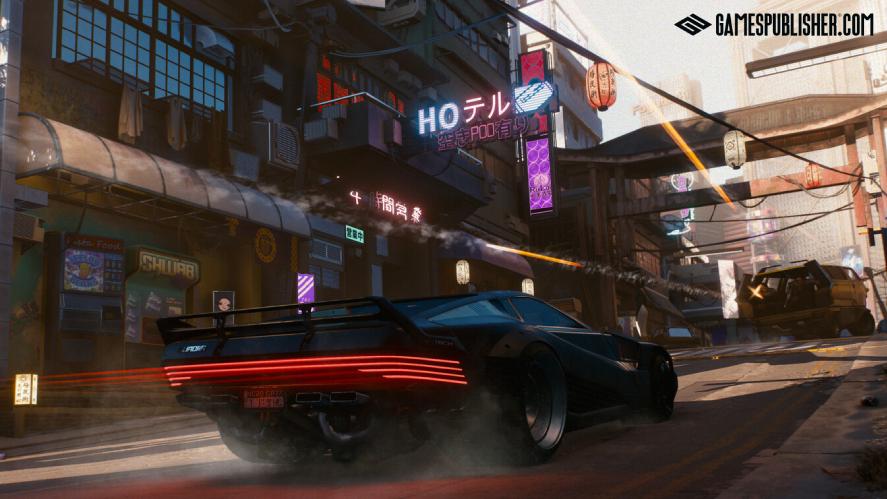
Cyberpunk 2077 has evolved into a much more complete open-world RPG, making it one of the best RPGs for players who want fast action alongside character progression.
Its Night City setting gives you a large futuristic world to explore, with different builds, cyberware, weapons, skills, and combat approaches to experiment with.
You can specialize V around different play styles, from guns and close-quarters combat to stealth and hacking.
Narrative choices also shape quests and relationships, while character-driven missions give the open world more depth than simple side activities.
Phantom Liberty is worth considering if you want more Cyberpunk 2077 content, adding a major story expansion set in a new area of Night City.
It is an expansion rather than a requirement for enjoying the base game, so newcomers can start with the main experience and decide whether they want more afterward.
Best for: Players who want an open-world action RPG with flexible character builds.
Elden Ring
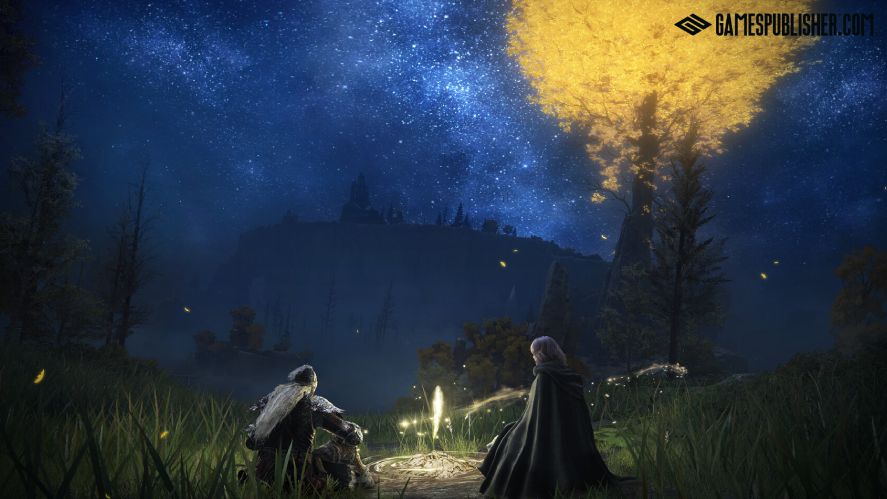
Elden Ring remains an essential recommendation for action RPG fans because it gives players enormous freedom in how they explore, fight, and develop their character.
Its open world is filled with hidden areas, optional bosses, weapons, spells, and unusual encounters that reward curiosity rather than simply following a fixed path.
Build variety is one of its biggest strengths.
You can experiment with different weapons, attributes, magic, abilities, and equipment to create a character that fits your preferred play style.
When a boss or area proves difficult, you can often explore somewhere else, find new equipment, adjust your build, and return with a different approach.
The game’s difficulty is only part of the experience.
Elden Ring is just as much about discovery and experimentation, with environmental storytelling and a world that encourages players to investigate what lies beyond the obvious path.
For players who want even more to explore, Shadow of the Erdtree adds a substantial new area, enemies, bosses, weapons, and story content.
Best for: Players who enjoy challenging combat, exploration, and build experimentation.
Metaphor ReFantazio
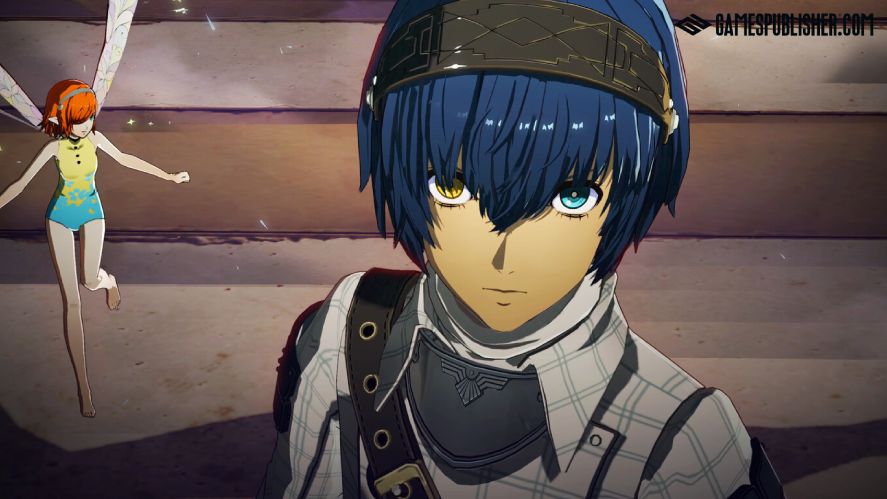
Metaphor: ReFantazio is a strong choice for JRPG fans who enjoy strategic turn-based combat, character relationships, and a detailed fantasy world.
Its Archetype system lets characters take on different roles and abilities, giving players plenty of room to experiment with party builds and adapt to different battles.
Outside combat, the game uses time management and social activities to shape character relationships and progression.
You decide how to spend your limited time between exploring the world, improving relationships, developing abilities, and preparing for upcoming challenges.
Its story also explores political themes through a fantasy setting, giving the adventure more depth than its combat systems alone.
The game shares some design ideas with Atlus’ Persona series, particularly its social systems, time management, and emphasis on relationships.
However, it builds these ideas around a larger fantasy adventure with its own setting, themes, and progression systems.
Best for: JRPG fans who enjoy strategic combat and character relationships.
The Witcher 3: Wild Hunt
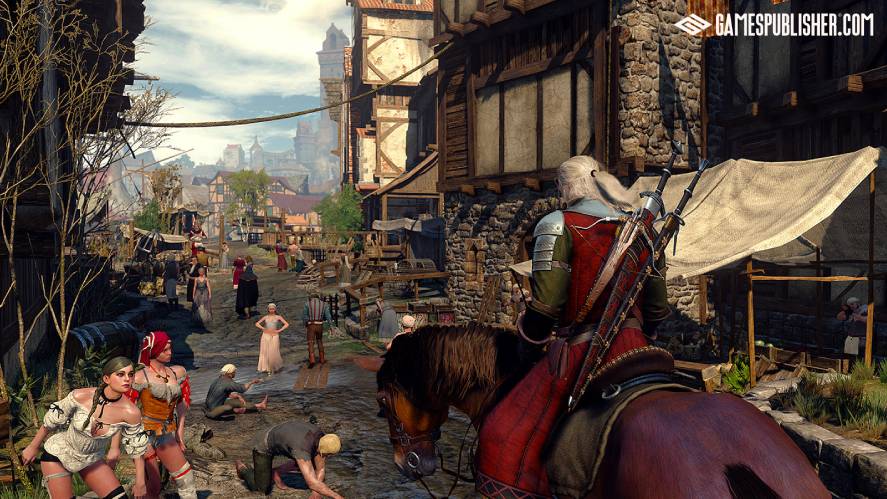
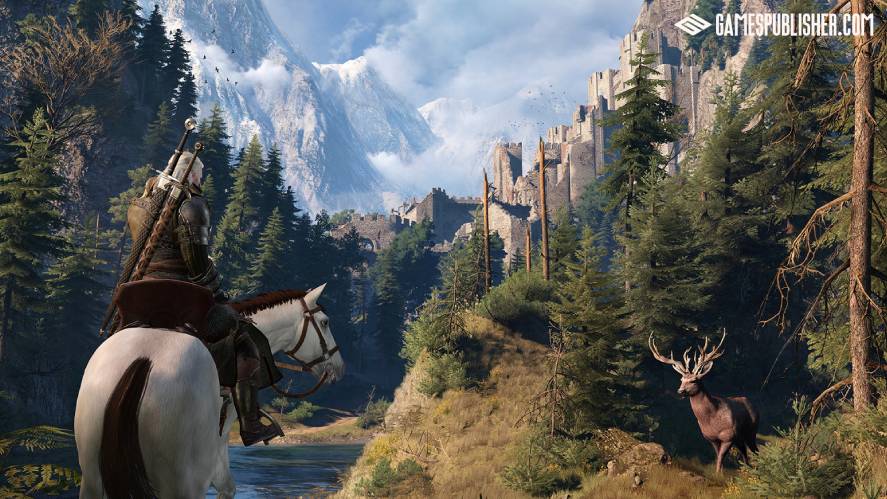
Despite being released years ago, The Witcher 3: Wild Hunt still belongs among the best role playing games worth playing today.
Its strength comes from the quality of its quests, characters, and world rather than simply its age or size.
You play as Geralt of Rivia, a monster hunter traveling through a richly developed fantasy world.
Many quests go beyond straightforward good-versus-evil choices, forcing you to deal with complicated characters and consequences.
Monster contracts, exploration, side quests, and major storylines give the world plenty to discover.
The two major expansions, Hearts of Stone and Blood and Wine, add substantial new stories and locations.
The game’s modern updates have also improved the experience for current-generation players with visual improvements and quality-of-life features, making it easier for new players to revisit this classic RPG.
Best for: Players who prioritize narrative, quests, and a richly developed fantasy world.
Persona 5 Royal

Persona 5 Royal combines traditional turn-based RPG combat with character relationships and a daily-life simulation.
You play as a high school student who spends time between school, friendships, activities, and exploring supernatural dungeons.
Its Personas provide much of the game’s combat and character-building depth, while Confidants let you develop relationships that unlock useful abilities and additional story content.
Because each day offers limited time, deciding whether to improve a relationship, develop a skill, explore a dungeon, or pursue another activity becomes part of the game’s strategy.
The distinctive visual style, soundtrack, and character-focused story give Persona 5 Royal its own identity.
It is also a substantial time commitment, so it is best suited to players who want a long JRPG rather than a short adventure.
Best for: Players who enjoy long JRPGs, social systems, and turn-based battles.
Divinity: Original Sin 2
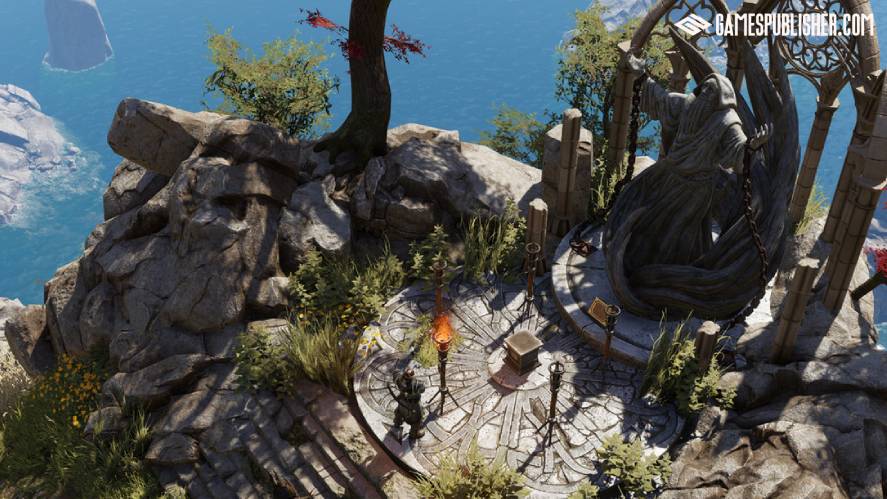
Divinity: Original Sin 2 remains one of the most popular RPG games for players who enjoy tactical combat and systems that reward experimentation.
Its turn-based battles give you plenty of room to plan, but the real depth comes from how different abilities, surfaces, and environmental effects interact.
Fire, water, poison, electricity, and other elements can change the battlefield and create new ways to handle encounters.
Character builds are also highly flexible.
You can shape your party around different abilities, skills, equipment, and combat roles instead of following a single fixed path.
Quests offer similar freedom, often giving you multiple ways to investigate problems, approach characters, and resolve conflicts.
The game also supports multiplayer, allowing friends to experience its systems and quest freedom together.
That combination of tactical battles, flexible builds, environmental interactions, and open-ended quest design gives Divinity: Original Sin 2 plenty of reasons to play it on its own.
Best for: Players who want tactical combat and systemic freedom.
Mass Effect Legendary Edition
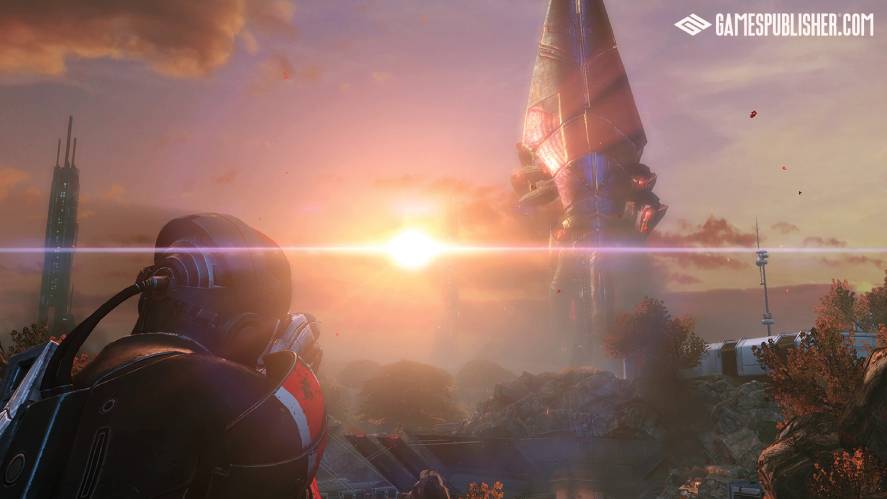
Mass Effect brings Commander Shepard’s entire trilogy into one connected RPG experience.
Across the three games, you build relationships with party members, make dialogue decisions, develop Shepard’s abilities, and shape events that can affect what happens later in the trilogy.
Its science-fiction setting is another major strength.
You travel between planets, meet different alien species, learn about competing factions, and become involved in conflicts that grow across multiple games.
Your companions also have their own stories and personalities, making party relationships an important part of the experience.
The trilogy combines RPG progression with third-person shooting, giving you both character-building decisions and real-time combat.
What makes it especially distinctive is the continuity between games.
Decisions made earlier can influence characters, relationships, and events later, making the full trilogy feel like one long role-playing journey rather than three separate adventures.
Best for: Players seeking a character-focused sci-fi adventure.
Best RPGs Depend on the Type of RPG You Enjoy
RPG now covers a huge range of games, from fast action adventures to choice-heavy party RPGs and long-form Japanese role-playing games.
Understanding these broad types can make it easier to find the best RPGs for your preferred play style.
Best RPGs for Action RPG Fans
Action RPGs combine real-time combat with familiar RPG systems such as stats, equipment, character builds, and progression.
Elden Ring, Cyberpunk 2077, and The Witcher 3 all fit this category, but they approach it in very different ways.
Elden Ring emphasizes challenging combat, exploration, and build experimentation.
On the one hand, Cyberpunk 2077 combines first-person action with flexible builds, cyberware, and an open-world setting.
The Witcher 3 puts more emphasis on story, quests, exploration, and character-driven progression.
CRPGs and Choice-Driven RPGs
CRPGs traditionally focus on systems such as character statistics, party management, tactical encounters, extensive dialogue, and meaningful player choices.
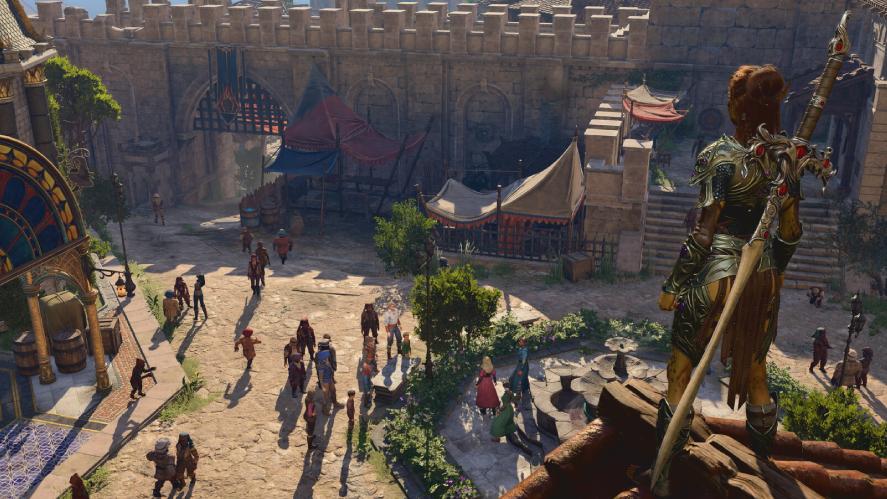
Modern games can interpret these ideas in different ways while keeping the focus on player freedom.
Baldur’s Gate 3 and Divinity: Original Sin 2 are strong modern examples.
Both give players multiple ways to build characters, approach encounters, interact with the world, and solve quests.
JRPGs
JRPGs often place a strong focus on party-based storytelling, distinctive progression systems, and turn-based or hybrid combat.
Not every Japanese RPG follows the same structure, but these elements are common across many well-known titles.
For example, Metaphor: ReFantazio combines turn-based battles with Archetypes, time management, and character relationships.
Persona 5 Royal adds social activities and daily-life systems to its party-based RPG combat, creating a different rhythm between battles and character development.
Tactical RPGs
Tactical RPGs put more emphasis on positioning, party composition, abilities, and strategic encounters.
Winning often depends on where you move each character, how you combine their abilities, and how well you adapt to the battlefield.
Top role playing games such as Fire Emblem and Final Fantasy Tactics are well-known examples of the genre.
Their slower, more deliberate combat makes planning just as important as character progression.
MMORPGs
MMORPGs take RPG progression into persistent shared worlds where players can develop characters over long periods.
Raids, guilds, social systems, in-game economies, and other multiplayer activities become important parts of the experience.
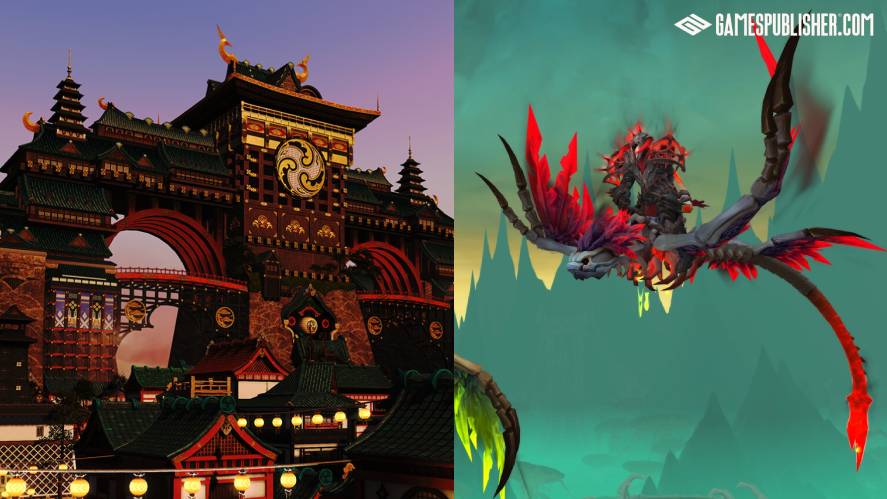
Final Fantasy XIV and World of Warcraft are two of the most recognizable examples.
Both combine traditional character progression with large online communities and worlds that continue to evolve over time.
Roguelite RPGs
Roguelites combine repeated runs with character development, unlocks, build experimentation, and other RPG-like progression systems.
Each attempt can play differently, while progress between runs gives players new options to experiment with.
Hades is an accessible example of how these systems can work together.
Its action-focused runs use character upgrades, abilities, weapons, and persistent progression to create an RPG-like sense of growth.
Idle and Clicker RPGs
Idle and clicker RPGs reduce direct control while keeping familiar RPG ideas such as leveling, increasing damage, unlocking abilities, defeating stronger enemies, and long-term progression.
Clicker Heroes is a clear example: players repeatedly attack monsters, recruit and upgrade heroes, and eventually automate much of their progression.
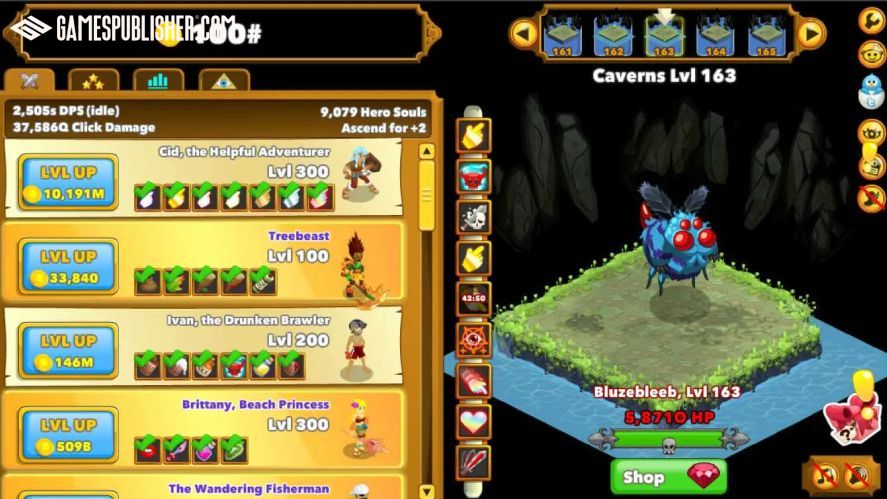
From a game design and publishing perspective, these games put more focus on progression pacing and retention than complex combat.
The appeal comes from watching a character or account grow stronger over time, even when the moment-to-moment gameplay is extremely simple.
How We Chose the Best RPGs
Choosing the best roleplaying games is about more than review scores or popularity.
We looked at how well each game uses RPG systems, how much freedom it gives players, and whether the overall experience remains worth playing today.
Role-Playing and Character Progression
A strong RPG should make progression feel meaningful.
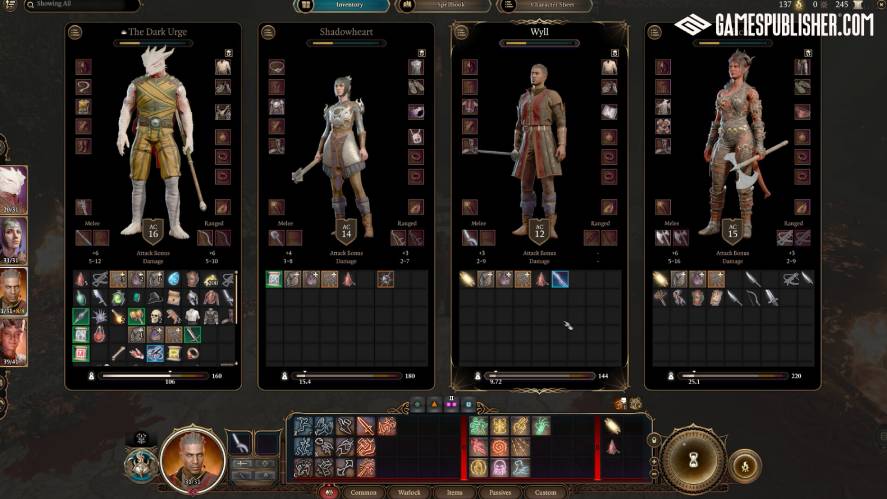
This can come through levels, equipment, abilities, character builds, decisions, relationships, or a combination of these systems.
The best games make that progression feel connected to how you play rather than simply increasing numbers.
Player Choice and Freedom
Player choice is not limited to branching dialogue or different story endings.
Building your character, choosing an exploration route, managing your party, deciding how to approach combat, or finding different solutions to quests can all create a sense of role-playing agency.
Story and World Building
A memorable RPG needs a world worth spending time in.
We considered the quality of its characters, quest writing, lore, and environmental storytelling, as well as how effectively the world encourages players to explore and become invested in what happens.
Combat and Gameplay Systems
Combat should work alongside the game’s progression systems rather than feel disconnected from them.
We looked at whether battles offer meaningful decisions, enough variety, and mechanics that remain engaging throughout the experience.
How Well the Game Holds Up Today
Older RPGs can still be among the best role playing games if their core experience remains compelling.
We considered factors such as current platform availability, updates, performance, quality-of-life improvements, community support, and how easily modern players can enjoy the game today.
Which RPG Should You Play First?
The best RPGs to play depend on what you want from the experience.
Use this quick comparison to find a starting point that matches your preferred gameplay style.
| If you want… | Start with… |
|---|---|
| Maximum player choice | Baldur’s Gate 3 |
| A modern turn-based adventure | Clair Obscur: Expedition 33 |
| Historical realism | Kingdom Come: Deliverance II |
| Open-world action | Cyberpunk 2077 |
| Challenging exploration | Elden Ring |
| A modern JRPG | Metaphor: ReFantazio |
| Story and side quests | The Witcher 3 |
| Social systems and JRPG combat | Persona 5 Royal |
| Tactical RPG systems | Divinity: Original Sin 2 |
| A sci-fi saga | Mass Effect Legendary Edition |
The right starting point depends more on your preferred gameplay than review scores.
Think about whether you want exploration, tactical combat, story, character relationships, or player freedom, then choose the RPG that matches that experience.
What Makes a Great RPG?
A great RPG should make players feel that their choices, progression, and time spent in the world genuinely matter.
Progression That Changes How You Play
Good RPG progression should offer more than steadily increasing numbers.
New skills, equipment, party members, abilities, and build options should give players new ways to approach challenges.
A strong progression system makes getting stronger feel like gaining new possibilities, not simply dealing more damage or surviving longer.
Choices With Meaningful Consequences
Meaningful choices can affect an RPG in several ways.
Baldur’s Gate 3 can change quests and character relationships based on player decisions, while Mass Effect Legendary Edition carries important decisions between games.
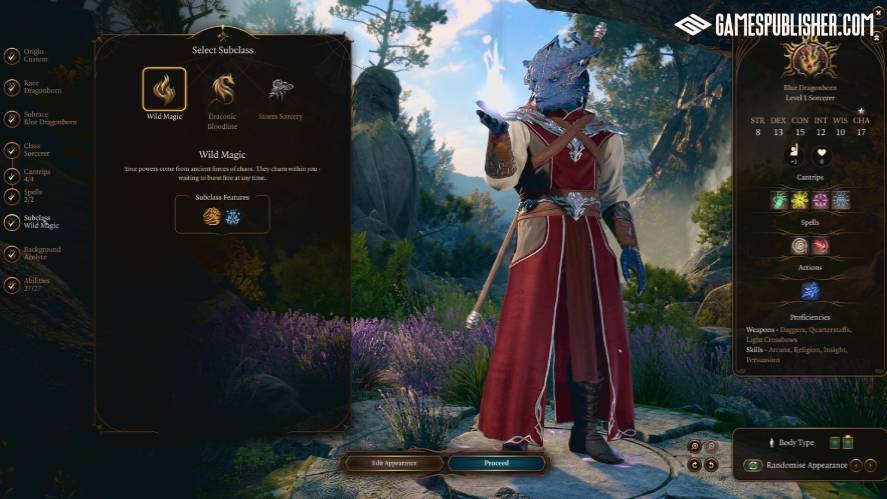
Other good RPGs offer consequences through gameplay, such as changing your character build, party composition, or approach to combat.
The important part is that player decisions should feel connected to the experience rather than existing only as cosmetic dialogue options.
A World Worth Spending Time In
Great RPG worlds give players reasons to keep exploring beyond the next main objective.
Memorable characters, optional quests, environmental storytelling, hidden locations, and unexpected discoveries can make a world feel worth returning to.
From a game development perspective, this also supports long-term engagement.
A well-designed RPG world gives players multiple reasons to stay invested, whether they are following the main story, exploring a new area, helping an optional character, or simply seeing what they can discover.
What RPG Should You Play If You Are New to the Genre?
New players do not need to start with the RPG that is considered the most important or influential
It is usually easier to begin with a game that matches the type of gameplay you already enjoy.
If you come from action games, The Witcher 3 or Cyberpunk 2077 can be approachable starting points.
Both combine real-time combat with familiar action-game controls while gradually introducing character builds, equipment, quests, and progression.
Baldur’s Gate 3 is a great introduction to deeper choice-driven role-playing if you are willing to learn more systems.
Its character creation, party management, turn-based combat, and flexible quests give you a broad look at what an RPG can offer.
For players new to turn-based combat, Clair Obscur: Expedition 33 can work as a bridge.
Its command-based battles are combined with active mechanics such as dodging, parrying, and countering, making combat feel more interactive than traditional turn-based systems.
The best starting point is ultimately the RPG that matches how you like to play.
Choose based on whether you prefer action, exploration, story, strategy, or character relationships rather than trying to follow a fixed order.
Best RPGs FAQ
There is no single RPG that is objectively best for everyone. Baldur’s Gate 3 is one of the broadest recommendations. However, Elden Ring is a better fit for players who prioritize challenging exploration, while Clair Obscur: Expedition 33 suits players looking for a modern turn-based adventure.
The best RPG for beginners depends on what type of games you already enjoy. The Witcher 3 and Cyberpunk 2077 can be good starting points for action-game players. Baldur’s Gate 3 is a strong introduction to choice-driven RPGs if you are comfortable learning more systems, while Clair Obscur: Expedition 33 can help turn-based newcomers get used to command-based combat.
Baldur’s Gate 3 is one of the strongest choices for overall player agency. Divinity: Original Sin 2 also gives players significant freedom. Baldur’s Gate 3 is especially strong in narrative and quest choices, while Divinity: Original Sin 2 also stands out for systemic and gameplay freedom.
Elden Ring is an excellent choice for players who want discovery to drive exploration. The Witcher 3 offers a more quest-driven approach, with exploration often leading to detailed side stories, characters, and optional activities. Cyberpunk 2077 combines open-world exploration with a dense city, side missions, character-driven stories, and different ways to approach encounters.
The main RPG categories include action RPGs, CRPGs, JRPGs, tactical RPGs, MMORPGs, roguelites, and idle or clicker RPGs. Each emphasizes different combinations of combat, progression, player choice, exploration, multiplayer, or long-term character development.
The Best RPGs Offer More Than Levels and Loot
The diversity of RPGs is one reason the genre remains so influential.
Baldur’s Gate 3 shows how decisions and systemic freedom can shape an adventure, while Elden Ring makes exploration and combat mastery central to progression.
Persona 5 Royal and Metaphor: ReFantazio combine character relationships with turn-based systems, while Clicker Heroes demonstrates that even simple mechanics can create a compelling sense of continual RPG progression.
For developers and publishers, these good RPG games show that there is no single formula for a successful RPG.
Progression, decisions, rewards, and engagement systems can work in very different ways depending on the intended audience.
For players, the best choice is simpler: pick the experience you actually enjoy. You do not need to start with the highest-rated or most influential RPG.
Whether you want deep choices, challenging combat, exploration, character relationships, or long-term progression, there is a good RPG that fits your style.
Loading survey...