
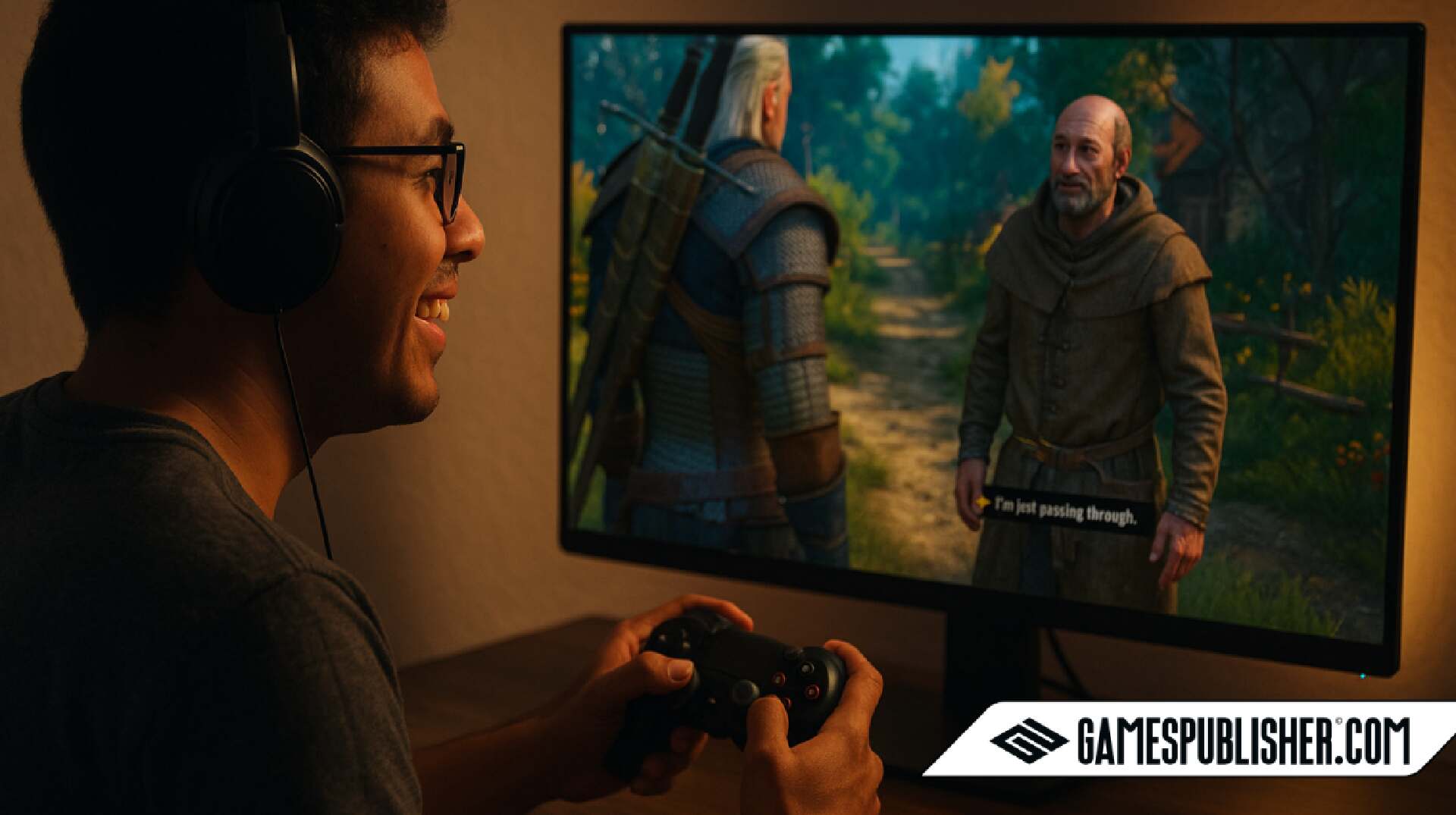
Interactive video game systems are changing how players experience games in 2026. Instead of simply pressing buttons and watching the screen respond, players now expect games to feel personal, responsive, social, and immersive. As a result, developers and publishers need to understand how these systems improve engagement from the first session to long-term play.
However, interactive systems are not limited to controllers or motion sensors. They also include real-time feedback, AI-powered NPCs, adaptive storytelling, multiplayer features, cloud technology, AR, VR, and accessibility tools. Because of this, they play a major role in modern game development and game publishing strategy.
In this updated 2026 guide from Gamespublisher.com, we’ll explain how interactive video game systems work, which technologies support them, and why they help players feel more connected to the games they play.
Interactive Video Game Systems and Their Core Components
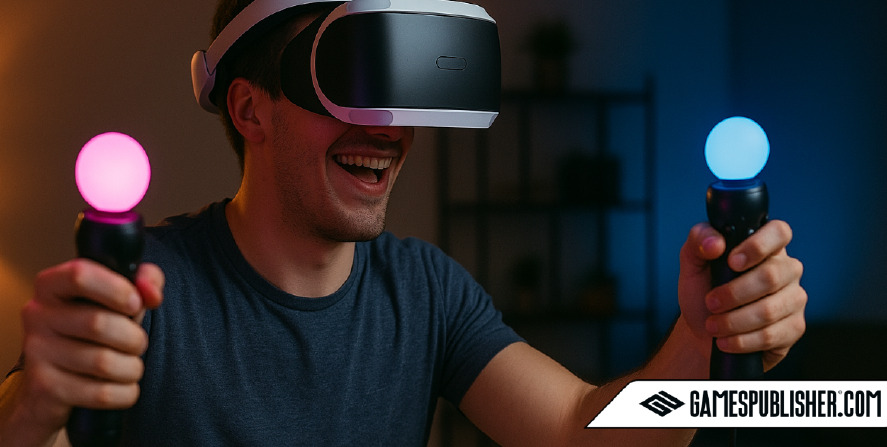
To understand interactive video game systems, developers need to look at the core features that make games feel responsive. These systems combine player input, real-time feedback, AI behavior, visual reactions, audio responses, and game engine logic.
For example, when a player moves a controller, speaks into a microphone, enters a VR space, or makes a story choice, the game must respond quickly and meaningfully. Therefore, strong interaction depends on both technology and design. Without responsive systems, gameplay can feel flat, slow, or disconnected.
Input Devices and Sensors
Players interact with games using many tools. Some are traditional, while others are newer and more advanced.
- Traditional controllers like gamepads, keyboards, and mice are still widely used across many game genres.
- Motion sensors, such as the Nintendo Wii Remote or PlayStation Move, allow the body to become part of the gameplay.
- VR headsets like Oculus Quest and HTC Vive let players move and look around in a 3D space, which increases immersion.
- Eye-tracking and voice commands are also becoming more common. These tools offer hands-free control and increase accessibility.
As a result, these devices are a key part of any modern interactive game system.
Why Responsiveness Matters for Player Engagement
Responsiveness is one of the most important parts of interactive video game systems because players want their actions to feel immediate and meaningful. When a game reacts quickly, players feel more in control. However, when feedback is delayed or unclear, the experience can become frustrating.
For example, a strong combat system should show impact through animation, sound, controller vibration, enemy reaction, and visual effects. Similarly, a good puzzle system should clearly show when the player’s action changes the environment.
Because of this, developers should test input response, animation timing, sound feedback, and haptic effects throughout production. As a result, the final game feels smoother, more polished, and more rewarding to play.
Real-time Feedback and Response Systems
Good interaction isn’t just about inputs. It’s also about how the game reacts to what the player does.
- Visual feedback includes changing lights, health bars, or movements that respond to actions.
- Sound feedback changes music or sound effects to match the situation.
- Haptic feedback makes the controller vibrate to simulate actions like gun recoil or crashes.
Together, these features powered by advanced game engines create fast, responsive feedback. This makes the video game interaction feel more real.
Role of AI in Interactive Systems
Artificial intelligence plays a growing role in interactive video game systems because it helps games respond in smarter and more personalized ways. Instead of using simple scripted behavior, modern AI can support adaptive enemies, realistic NPC reactions, dynamic difficulty, and branching story outcomes.
For instance, AI NPCs can react differently based on player choices, combat style, reputation, or previous actions. As a result, the game world feels more alive and less predictable.
- AI NPCs (non-playable characters) react to the player’s actions. For instance, in some games, enemies learn from your strategy.
- In games like Detroit: Become Human, ai interaction in game design creates characters that change based on how you treat them.
- Today’s developers can even create AI for video game NPC that changes and grows with each playthrough.
Therefore, games with good AI feel more alive and engaging. They adapt, challenge, and respond in smart ways.
Interactive Video Game Systems in Game Design
Interactive systems don’t just make games responsive. In fact, they also influence how games are designed and how stories are told.
Personalized Player Experiences
Modern players often expect games to adjust to their decisions, skill level, and play style. Therefore, personalization has become an important part of interactive design.
Personalized systems may include:
- Difficulty that adjusts based on player performance
- Dialogue choices that affect character relationships
- Quests that change based on previous decisions
- Recommendations for missions, builds, or items
- Accessibility settings that match player needs
These features help players feel seen and supported. Moreover, they can increase replay value because each playthrough may feel slightly different.
Player Agency and Dynamic Storytelling
Traditional games often told fixed stories. However, interactive video game systems let players shape their own paths.
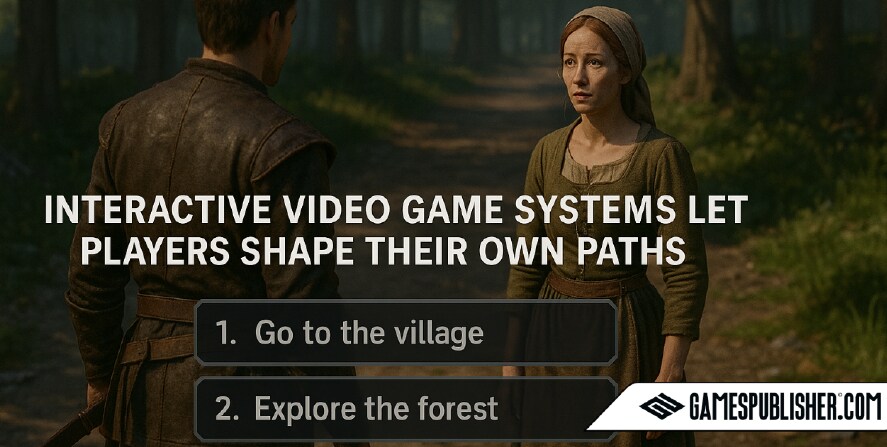
- Players now choose dialogue, actions, and alliances.
- As a result, small choices can lead to big changes in the story.
- For example, games like The Witcher 3 and Mass Effect offer different endings based on the player’s decisions.
This gives players more control, making the experience feel personal and meaningful.
Game Mechanics Enhanced by Interaction
Gameplay mechanics define how players interact with the game’s systems and environment. Interactivity makes these systems more engaging.
- In Breath of the Wild, puzzle challenges use real-world physics, encouraging players to find inventive ways to solve them.
- Players can set fire to grass or use wind to glide across cliffs.
- In combat, terrain and enemy behavior change the way each fight unfolds.
As a result, interaction turns even basic gameplay into exciting, player-driven moments.
Integration with Multiplayer Systems
Interactive video game systems also make online gaming better.
- Real-time chat helps players work together or compete.
- In games like Fortnite, live events bring all players together for shared experiences.
- Co-op gameplay encourages teamwork through puzzles or battles that require communication.
Therefore, interaction strengthens community and keeps players engaged longer.
Technologies Powering Interactive Video Game Systems
Several technologies power interactive video game systems in 2026. Game engines, cloud servers, AI tools, motion tracking, haptic devices, AR, and VR all help games respond more naturally to player actions.
However, technology alone is not enough. Developers must also design systems that feel useful, clear, and enjoyable. Otherwise, advanced features may feel like gimmicks instead of meaningful gameplay improvements.
Game Engines Supporting Interactivity
Game engines make it all possible. They handle the visuals, sound, AI, and responses that make games feel alive.
- Unreal Engine powers popular unreal engine games like Fortnite and supports detailed visuals and smart AI.
- Unity is another engine that works well for mobile, AR, and indie games.
- Some studios build custom engines to meet their specific game development needs.
In short, the game engine you choose affects how well your interactive video game systems perform.
Accessibility Features in Interactive Systems
Accessibility is now a major part of interactive game design. Because players have different abilities, preferences, and devices, developers should make interaction flexible whenever possible.
Helpful accessibility features include:
- Remappable controls
- Subtitle and caption options
- Colorblind modes
- Adjustable difficulty
- Aim assist options
- Voice control support
- Text size settings
- Motion sensitivity controls
These features do more than help a small group of players. In fact, they often improve the experience for everyone. As a result, accessible interactive systems can increase player satisfaction and expand a game’s potential audience.
Cloud Computing and Streaming Impact
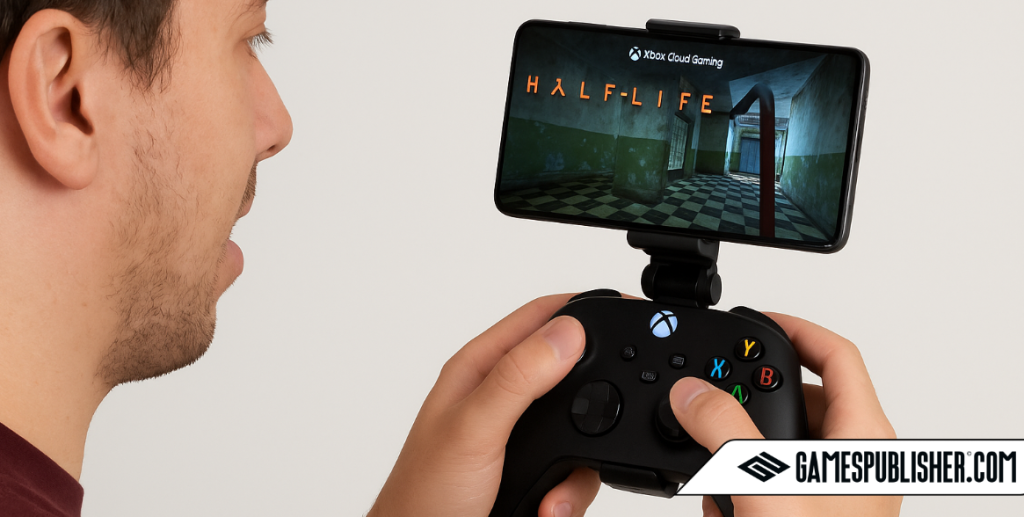
Cloud technology is changing how we access games.
- Xbox Cloud Gaming and NVIDIA GeForce Now allow streaming high-end games on any device.
- Players don’t need expensive hardware—just a good internet connection.
- Cloud servers handle the heavy work, keeping interactions fast and smooth.
As a result, interactive game systems are now available to more players around the world.
Augmented and Virtual Reality Implementations
AR and VR take interactive video game consoles to a new level.
- In Beat Saber, players move in sync with music, cutting blocks using motion controllers.
- In Half-Life: Alyx, players pick up and use objects as if they’re really there.
- Pokémon Go brings characters into the real world, combining movement and game mechanics.
Therefore, these experiences show how AR/VR redefine interaction in video game genres.
Case Studies of Successful Interactive Video Game Systems
Let’s look at games that have set the standard for interactive video game systems.
The Legend of Zelda: Breath of the Wild
Nintendo’s hit game is a perfect example of smart interaction.
- Players solve puzzles using fire, wind, and water.
- The weather affects how the world behaves—for example, rain makes climbing harder.
- You can approach problems in many different ways.
As a result, the game rewards creativity and makes every moment feel fresh.
Detroit: Become Human
This game focuses on player choice and smart AI.
- Every decision leads to a different outcome.
- NPCs remember what you did and act accordingly.
- There are many story paths, each shaped by your actions.
This use of ai npc game design builds a strong emotional connection between player and story.
Fortnite and Real-Time Social Spaces
Fortnite goes beyond just being a battle royale shooter.
- It hosts live concerts, movie events, and global competitions.
- Players build, dance, and socialize in real-time.
- It’s becoming a kind of digital town square—maybe even the first steps toward a metaverse.
Clearly, strong interactive video game systems make all of this possible.
Challenges in Developing Interactive Video Game Systems
Building interactive video game systems can improve engagement, but it also adds technical and design challenges. Developers must balance responsiveness, performance, accessibility, narrative control, and player freedom.
For example, a system with advanced AI, physics, multiplayer features, and real-time feedback may require more testing and optimization. Therefore, teams should plan these features early instead of adding them late in production.
User Accessibility and Interface Design

Games should work for as many people as possible.
- Clear menus and simple controls help new and experienced players alike.
- Accessibility features let people with disabilities enjoy the game.
- Tutorials should be short and easy to understand.
In other words, great games welcome everyone.
Balancing Interactivity with Narrative Control
Too much freedom can weaken the story.
- Developers must plan for different outcomes.
- Writers have to consider what happens if players go “off script.”
- Sometimes, limits are needed to keep the story focused.
Still, when balanced well, freedom and story come together in powerful ways.
Future Trends in Interactive Video Game Systems
What’s next for interactive video game systems? Let’s look at some exciting trends.
Adaptive Gameplay with Machine Learning
AI will soon make games even smarter.
- The game might adjust to your skill level or play style.
- It could change enemy behavior based on what you usually do.
- Some tools may even read facial expressions to guess how you feel.
This will make ai npc smarter and more human-like than ever.
Haptic and Neural Interfaces
New tech will change how we feel games.
- Haptic suits give vibration across the body, not just hands.
- Brain-computer technology could one day enable players to interact with games using only their mental focus.
- Some early examples already exist, though they are limited for now.
Even so, this tech could redefine video game interaction in the near future.
Cross-platform and Metaverse Integration
Games are getting more connected.
- You might use the same character in many games.
- Studios are working on shared online worlds that feel like the metaverse.
- Platforms like VRChat or Roblox are already pointing in that direction.
In the future, game publishing may include more than just one game—it might be a whole universe.
Conclusion
Interactive video game systems are changing how players connect with games in 2026. Through responsive controls, real-time feedback, AI-powered NPCs, multiplayer features, cloud gaming, AR, VR, and accessibility tools, games can feel more personal, immersive, and engaging.
However, strong interactivity requires more than advanced technology. Developers must also focus on clear design, smooth performance, player choice, and meaningful feedback. As a result, every interaction should help players feel more connected to the game world.
For developers and video game publishers, the message is clear: interactivity is no longer just a bonus feature. Instead, it is one of the most important parts of modern game design. By building better interactive systems, studios can improve engagement, increase replay value, and create games players want to return to again and again.
For more game development, publishing, and industry strategy guides, visit Gamespublisher.com.
Loading survey...