
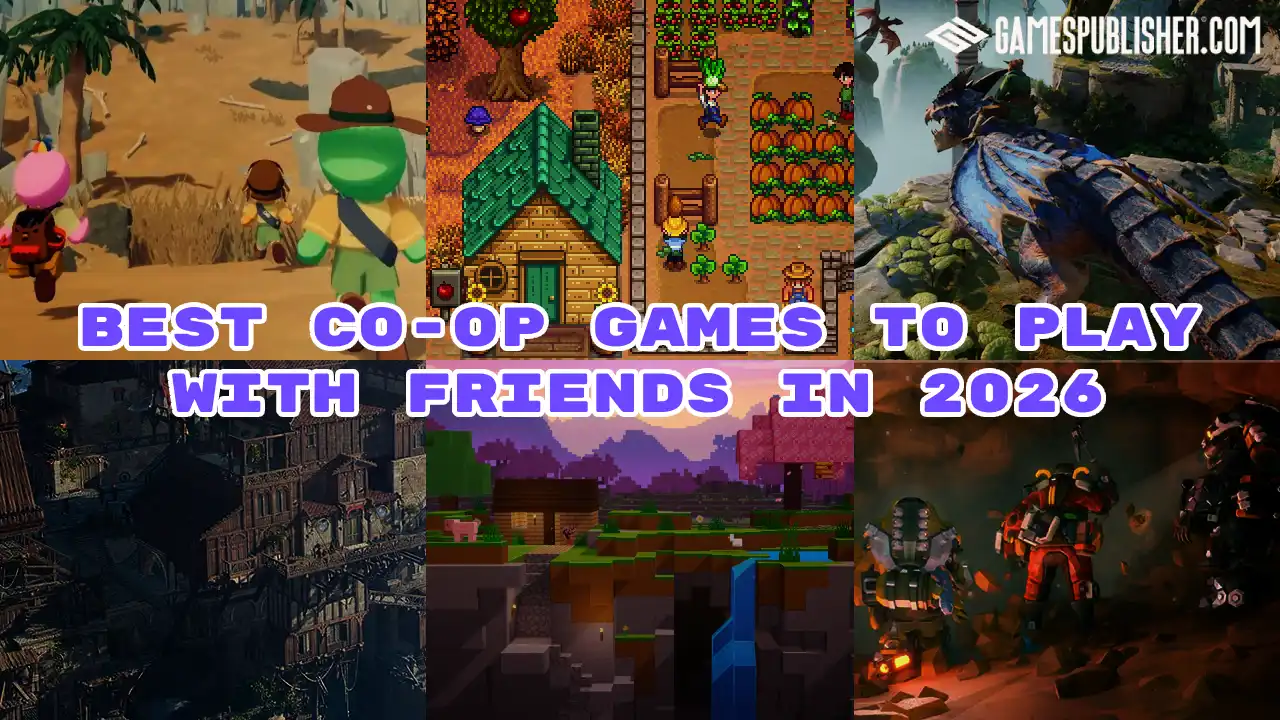
Playing games with friends remains one of the easiest ways to turn a good game into a memorable experience.
Whether you prefer online games to play with friends, couch co-op, or cross-platform multiplayer, cooperative games give players a reason to communicate, compete, laugh, and work toward a shared goal.
At Gamespublisher.com, we look at co-op gaming from both sides of the screen.
For players, the right co-op games can make a weekend session far more enjoyable.
For game developers and publishers, successful multiplayer titles offer useful lessons in teamwork, player retention, community building, replayability, and long-term monetization.
This guide covers a mix of best co-op games across action, RPG, survival, adventure, sandbox, horror, and indie genres.
Some are designed specifically for two players, while others work best with larger groups. We also include both online and couch co-op options.
Because multiplayer features can change with updates, platform releases, and cross-play patches, check the current platform information before buying. The details below reflect the available features we could verify for 2026.
Best Co-op Games to Play With Friends in 2026
There is no single definition of the best multiplayer games. A great co-op game needs more than a high player count or strong reviews.
The best choices make cooperation feel meaningful while remaining fun for everyone in the group.
For this list, we considered co-op quality, accessibility, replayability, teamwork, player count, platform availability, and how enjoyable each game is specifically with friends.
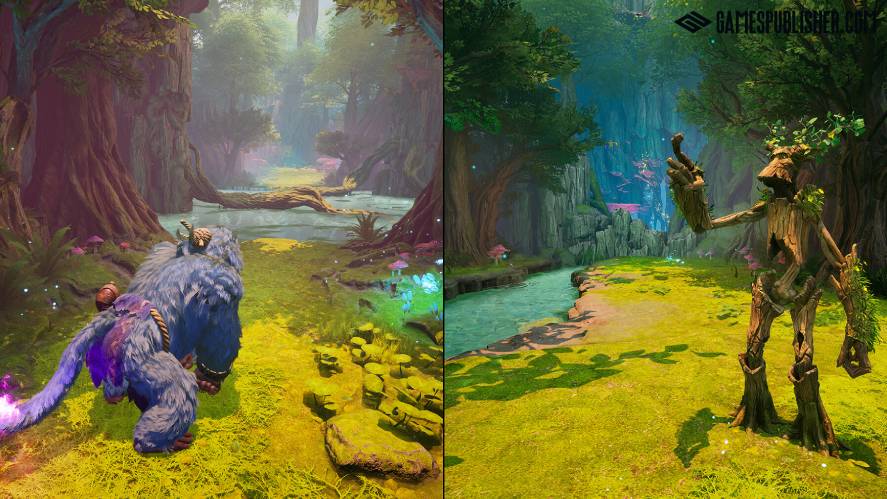
Split Fiction
- Platforms: PC, PlayStation 5, Xbox Series X/S, Nintendo Switch 2
- Players: 2
- Local/Online: Both
- Cross-play: Yes
Split Fiction is one of the easiest recommendations for two players in 2026.
Developed by Hazelight, the studio behind It Takes Two, it is built around cooperation rather than simply adding multiplayer to a single-player game.
The two players control Mio and Zoe as they move through constantly changing science-fiction and fantasy scenarios. Gameplay can shift from platforming and puzzles to stealth, action, and unusual mini-games.
Because each section can introduce new abilities or mechanics, neither player can simply switch off and follow along.
That makes communication part of the design. One player may need to create an opening while the other takes advantage of it, or both players may need to coordinate their timing.
EA also supports Friend’s Pass, allowing one owner to invite another player to experience the full game together. The feature supports cross-play between PC, PS5, Xbox Series X/S, and Nintendo Switch 2.
From a game design perspective, Split Fiction is a strong example of how changing mechanics can keep a co-op campaign from becoming repetitive.
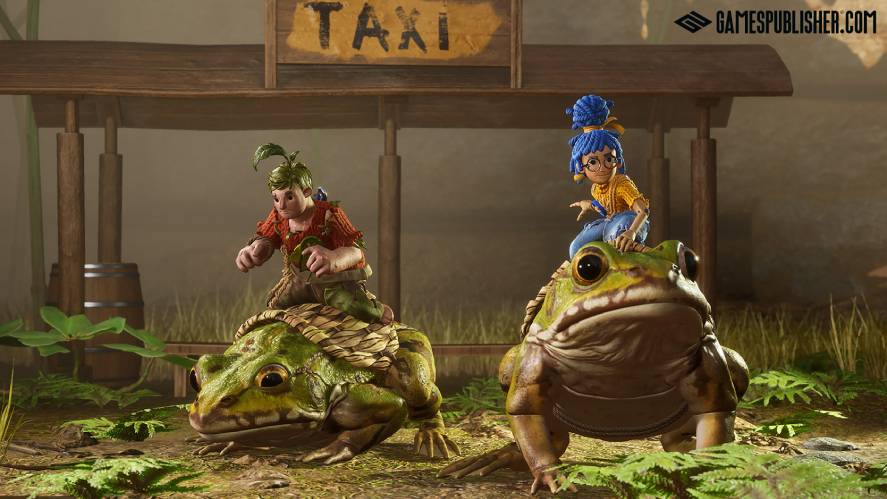
It Takes Two
- Platforms: PC, PlayStation, Xbox, Nintendo Switch
- Players: 2
- Local/Online: Both
- Cross-play: No
It Takes Two remains one of the best 2 player games because cooperation is built into almost every part of the experience.
You play as Cody and May, with each player controlling a different character and gaining abilities that complement the other.
The game constantly changes its mechanics.
You might solve a puzzle together in one section, switch to platforming in another, and then jump into a completely different mini-game. Communication matters because progress usually depends on both players doing their part.
It also works well for players who are new to co-op gaming. The Friend’s Pass lets one owner invite another player without requiring them to purchase a second copy.
It supports local and online co-op, but cross-platform play is not supported. Cross-generation play is available within the same platform family.
It Takes Two’s continued popularity also shows the value of designing a game around cooperation from the start rather than treating co-op as an extra mode.
Helldivers 2
- Platforms: PC, PlayStation 5, Xbox Series X/S
- Players: Up to 4
- Local/Online: Online
- Cross-play: Yes
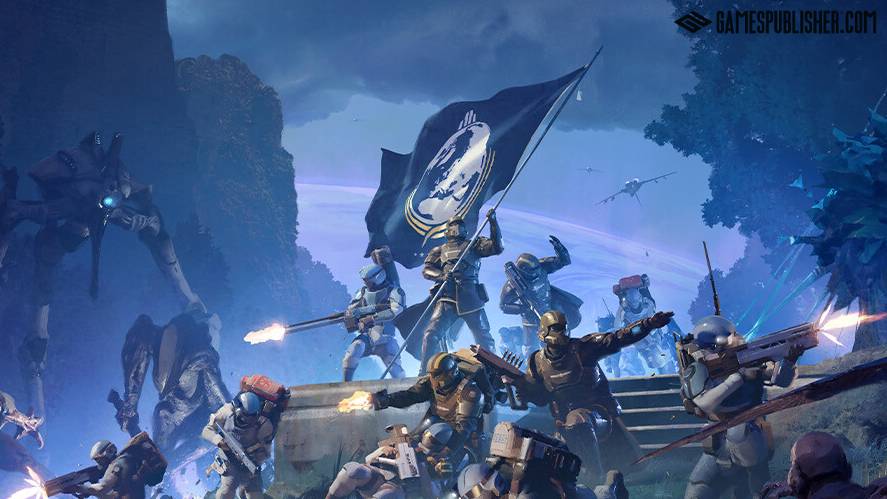
Helldivers 2 is a great choice if your group wants chaotic and good multiplayer games rather than a carefully scripted adventure.
In this game, up to four players work together on missions while fighting large groups of enemies, completing objectives, and trying to extract alive.
The friendly-fire system is a big part of the fun. A poorly placed explosive or airstrike can eliminate your own squad, so communication and positioning matter.
At the same time, unexpected mistakes often create the funniest moments.
The game is built around repeatable missions, shared progression, and an evolving Galactic War. That structure gives friends plenty of reasons to return after completing a single mission.
For developers, Helldivers 2 also demonstrates how evolving content and community-driven systems can support engagement in a multiplayer game long after launch.
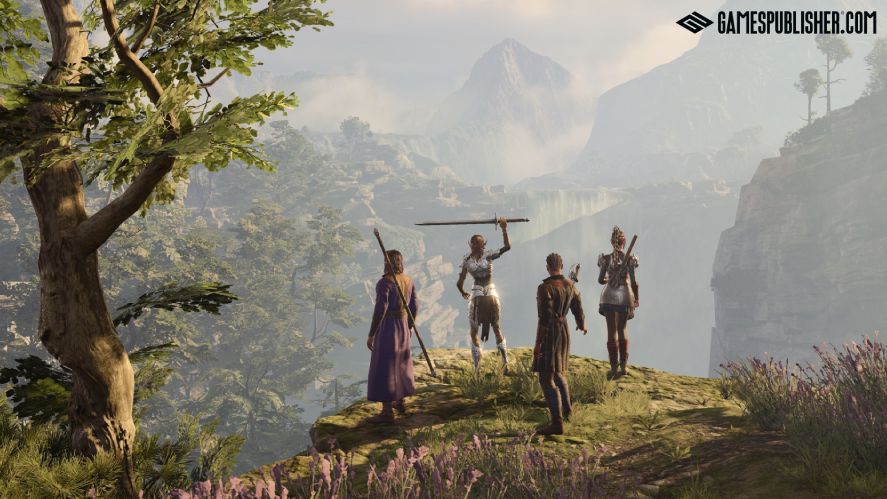
Baldur’s Gate 3
- Platforms: PC, Mac, PlayStation 5, Xbox Series X/S
- Players: Up to 4 (8 with mods)
- Local/Online: Both, depending on platform
- Cross-play: Yes
Baldur’s Gate 3 turns a deep role-playing game into an unpredictable shared adventure when played cooperatively.
Players can create their own characters, explore the world, fight together, and make decisions that can dramatically change what happens next.
The fun comes from giving each player freedom.
One person might start a conversation while another explores somewhere else. Someone can make a questionable dialogue choice, steal an important item, or start a fight that nobody else expected.
That freedom makes every group playthrough feel different.
It also makes Baldur’s Gate 3 a strong example of how player agency can create replayability without relying entirely on traditional multiplayer mechanics.
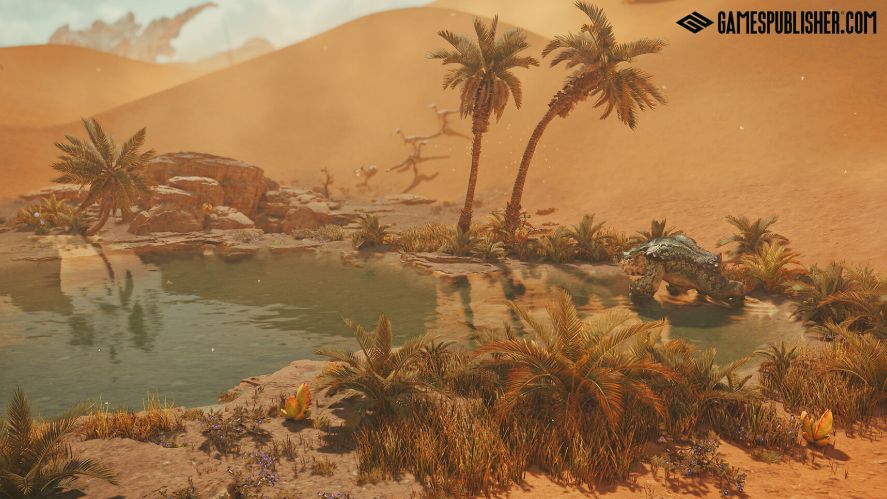
Monster Hunter Wilds
- Platforms: PC, PlayStation 5, Xbox Series X/S
- Players: Up to 4
- Local/Online: Online
- Cross-play: Yes
Monster Hunter Wilds is built around the simple but satisfying loop of preparing for a hunt, fighting a huge monster, collecting materials, and using those materials to improve your equipment.
Playing online games with friends adds another layer to the system.
Different weapons create different strengths, and players can coordinate attacks, healing, positioning, and equipment. A difficult hunt can become much easier when everyone understands their role.
The progression loop also gives groups a reason to keep playing. You finish one hunt, upgrade your equipment, and then use that stronger build to take on a tougher target.
That repeatable structure is one reason co-op games work so well for groups that enjoy long-term progression.
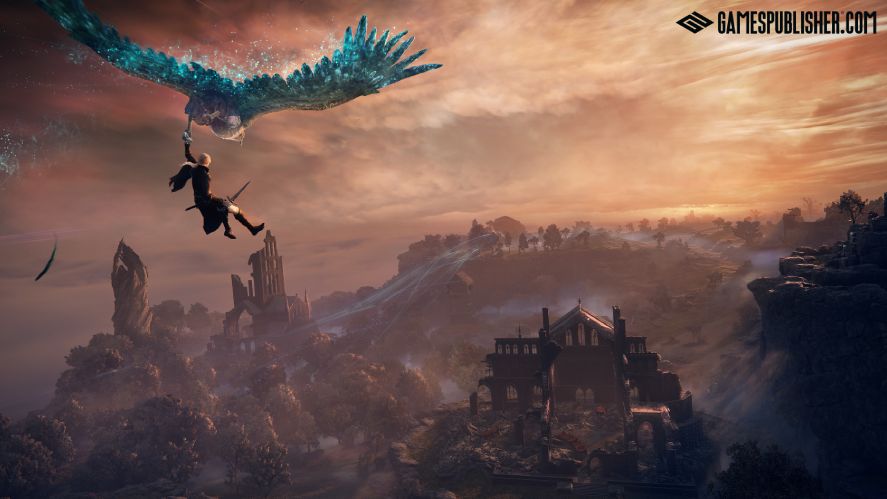
Elden Ring Nightreign
- Platforms: PC, PlayStation 4/5, Xbox One, Xbox Series X/S
- Players: Up to 3 (6 with mods)
- Local/Online: Online
- Cross-play: No
Elden Ring Nightreign takes the Elden Ring universe in a different direction.
Instead of simply adding cooperative play to a traditional open-world RPG, it is designed around shorter multiplayer runs, teamwork, powerful heroes, changing environments, and difficult boss encounters.
Bandai Namco describes Nightreign as a standalone experience with three-player co-op, changing environments, and a major boss encounter at the end of each night.
That structure makes it particularly appealing for friends who enjoy challenging cooperative adventure games but want something more replayable than a traditional campaign.
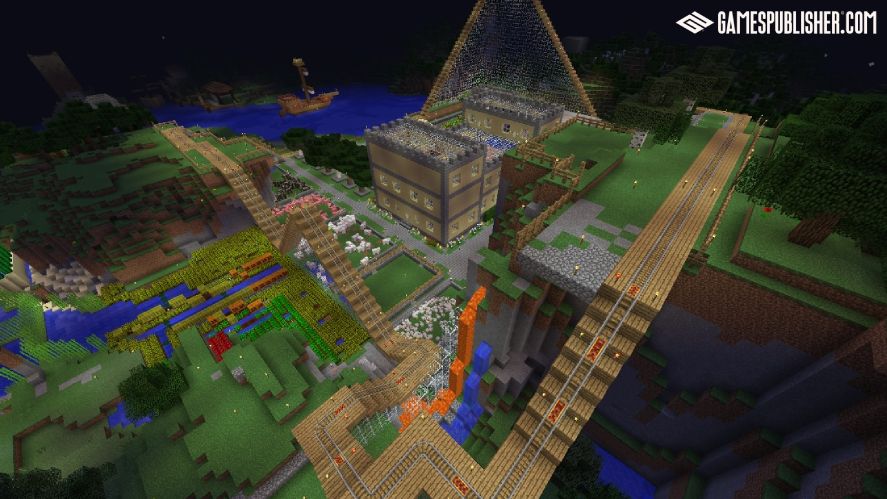
Minecraft
- Platforms: PC, PlayStation, Xbox, Nintendo Switch, Mobile
- Players: Varies
- Local/Online: Both
- Cross-play: Yes on Bedrock
Minecraft remains one of the most flexible and best games to play with friends online.
There is no fixed way to play. One group might spend hours building a massive base, while another explores caves, fights bosses, farms resources, or simply creates a shared world.
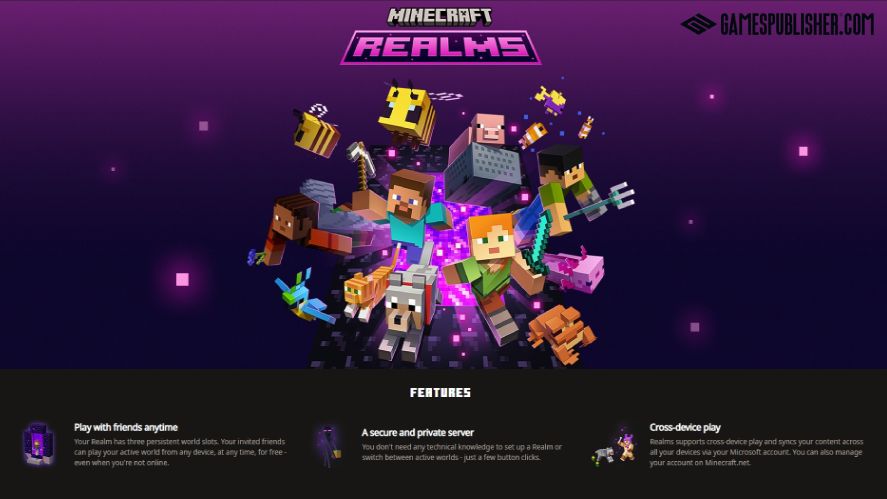
Realms makes persistent online play easier by giving groups an always-online private world.
On top of that, Bedrock Edition supports cross-platform play across PC, consoles, mobile, and other compatible devices.
That flexibility is a major reason Minecraft works for groups with very different skill levels. Players can pursue their own goals while still contributing to the same world.
Deep Rock Galactic
- Platforms: PC, Xbox, PlayStation
- Players: Up to 4 (more with mods)
- Local/Online: Online
- Cross-play: Limited
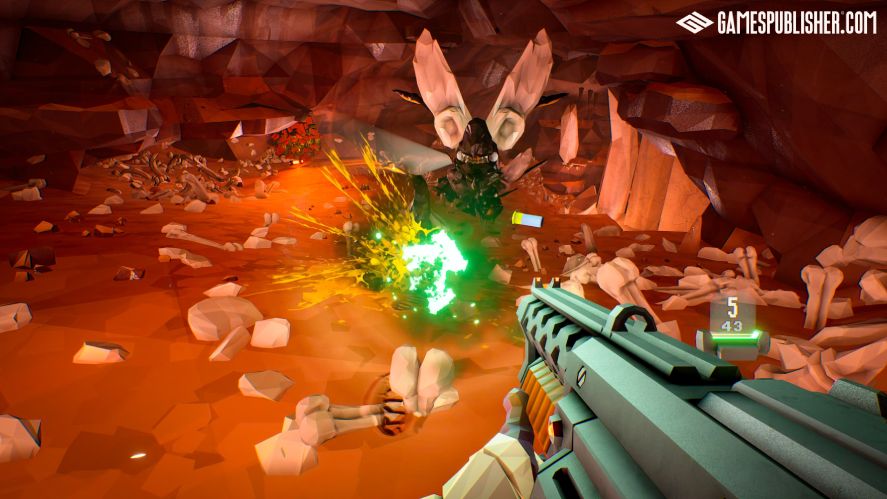
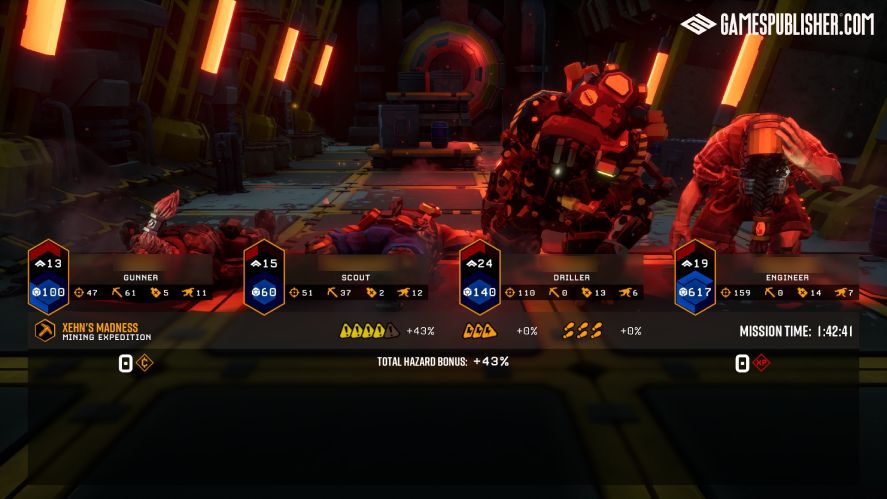
Deep Rock Galactic is a four-player co-op shooter where teams of space dwarves explore procedurally generated, destructible caves while mining resources and fighting hostile creatures.
Its four classes give each player a clear role.
- Scouts can light up large areas and reach difficult locations
- Engineers can build platforms and defensive tools
- Gunners provide heavy firepower
- Drillers can carve through terrain
That class design makes teamwork useful without making it overly complicated. You can learn the basics quickly, then gradually discover better ways to combine abilities.
One limitation is platform compatibility.
Deep Rock Galactic does not offer universal cross-platform multiplayer, so friends should check which versions they own before planning a session.
Lethal Company
- Platforms: PC
- Players: Up to 4 (more with mods)
- Local/Online: Online
- Cross-play: No
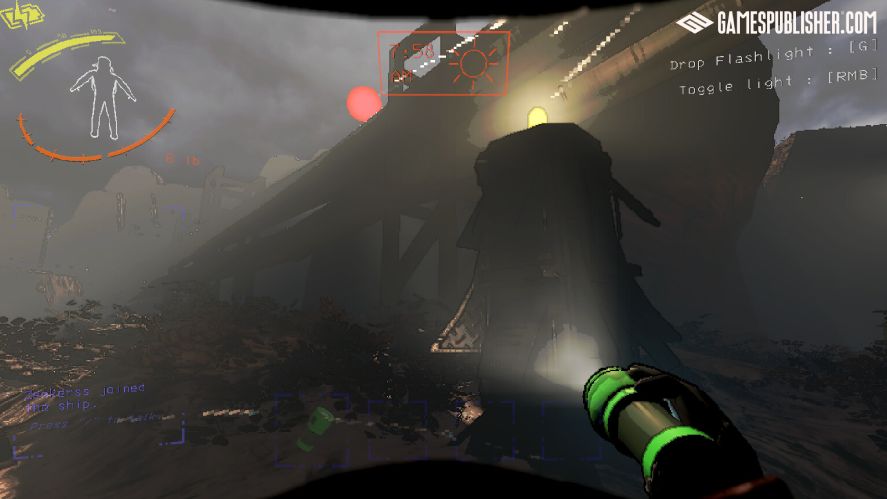
Lethal Company is less about mastering a complex combat system and more about what happens when a group of friends is placed in a dangerous situation together.
Players explore abandoned locations, collect valuable scrap, and try to meet their quota while dealing with monsters and environmental hazards.
Communication becomes essential, but the game’s unpredictable situations often turn simple mistakes into hilarious moments.
Its appeal comes from emergent player interaction. You might have a carefully planned run one minute and a complete disaster the next.
PEAK
- Platforms: PC
- Players: Up to 4 (20 with mods)
- Local/Online: Online
- Cross-play: No
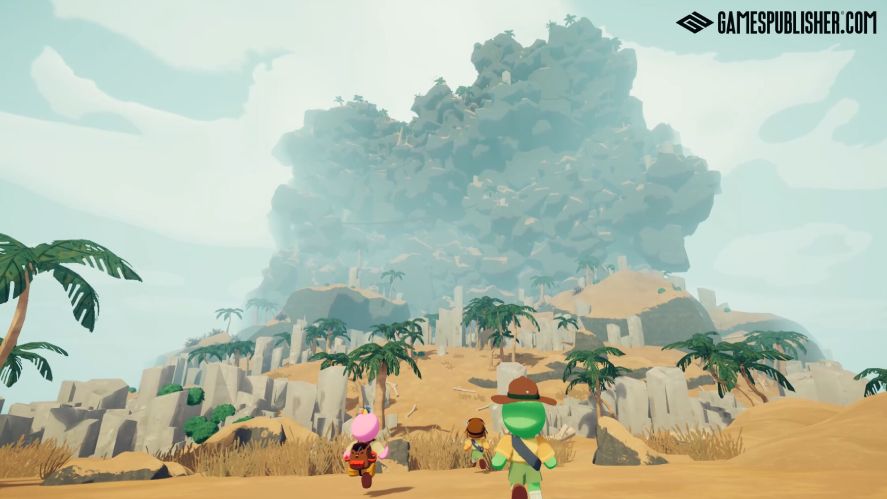
PEAK is a co-op climbing and survival game built around a simple idea: get your group to the top without falling apart along the way.
Players have to help each other climb, manage stamina and injuries, place ropes, and deal with unpredictable hazards.
The game uses proximity chat to make communication part of the experience. Its map also rotates every 24 hours, adding variety to repeat runs.
PEAK is especially good for groups that enjoy fun multiplayer games where failure can be just as entertaining as success.
Overcooked! All You Can Eat
- Platforms: PC, PlayStation, Xbox, Nintendo Switch
- Players: Up to 4
- Local/Online: Both
- Cross-play: Yes
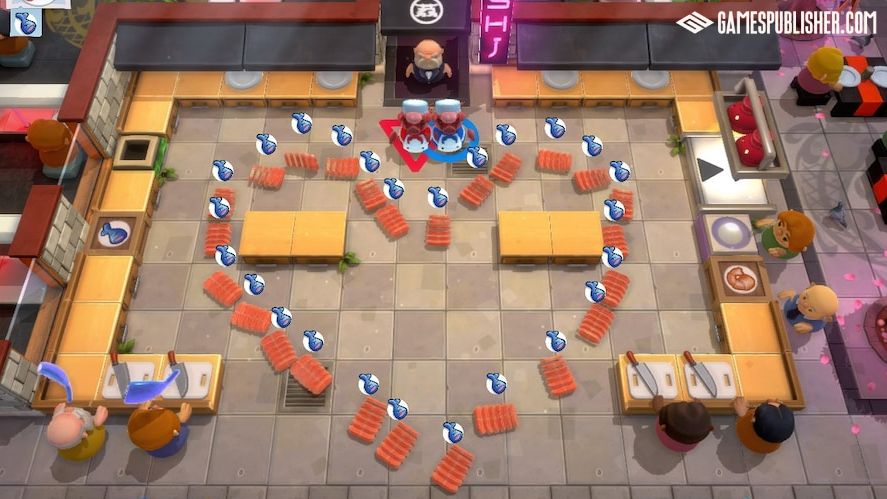
Overcooked! All You Can Eat is one of the best couch co op games for groups that want something easy to understand but difficult to master.
The objective sounds simple: prepare and serve food. The challenge comes from everything going wrong at once.
Players need to divide tasks, communicate quickly, and adapt when kitchens start moving, changing, or throwing new obstacles at the team.
It works particularly well for mixed groups because nobody needs extensive gaming experience to understand the basic goal. Yet experienced players can still improve their coordination and chase higher scores.
Stardew Valley
- Platforms: PC, PlayStation, Xbox, Nintendo Switch, Mobile
- Players: Up to 8 on supported versions or more with mods
- Local/Online: Both
- Cross-play: Limited
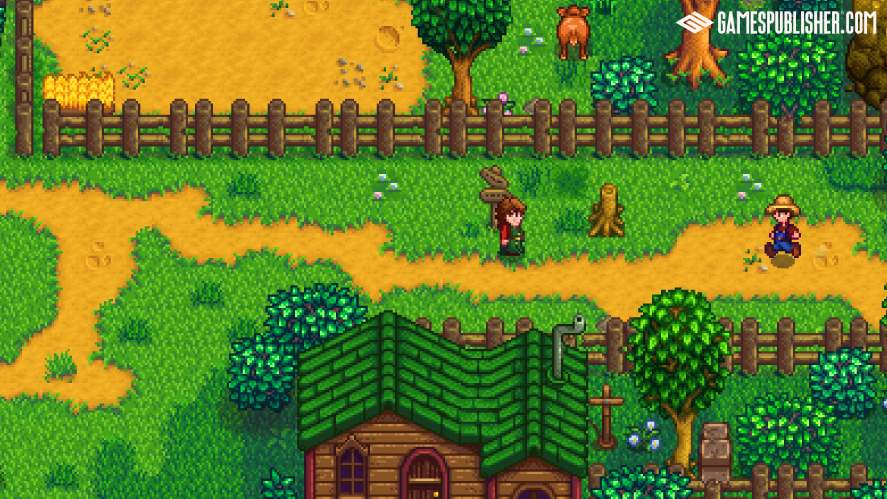
Not every co-op session needs explosions or boss fights. Stardew Valley offers a slower alternative where friends can farm, fish, explore, gather resources, build relationships, and improve a shared home.
The cooperative structure works because players can divide responsibilities. One person can focus on crops while another explores the mines or handles fishing.
Over time, those small contributions become part of a larger shared project.
Stardew Valley’s cross-platform multiplayer is limited, so players should check the version they own before organizing a session.
Terraria
- Platforms: PC, PlayStation, Xbox, Nintendo Switch, Mobile
- Players: Varies by platform
- Local/Online: Both
- Cross-play: Platform-dependent
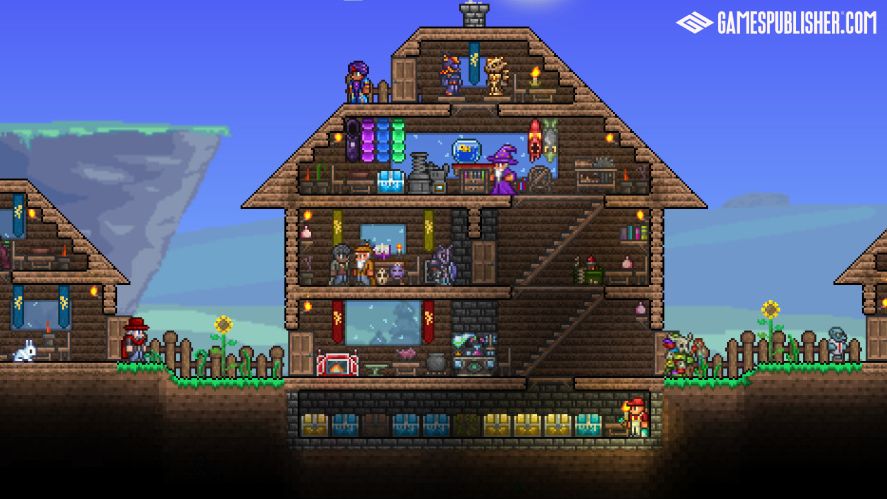
Terraria is a strong pick for groups that want exploration and progression without being locked into a linear campaign.
Friends can build bases, search for resources, craft equipment, explore underground areas, and take on increasingly difficult bosses.
The amount of content also makes it easy for a group to keep discovering new things long after the first few sessions.
Its combination of crafting, exploration, combat, and construction gives every player something to do.
That flexibility is a big part of what makes Terraria one of the more enduring good co-op games for long-term groups.
Sea of Thieves
- Platforms: PC, Xbox, PlayStation 5
- Players: Up to 4 per ship
- Local/Online: Online
- Cross-play: Yes
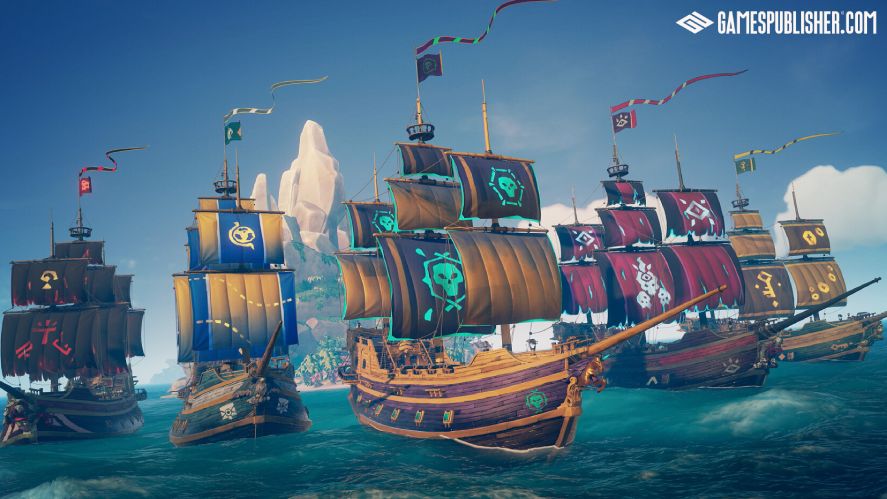
Sea of Thieves turns cooperation into the core of its pirate adventure.
A crew has to sail a ship, navigate, complete voyages, search for treasure, fight other players, and react to whatever happens on the water.
The game does not force every player into a rigid class. Instead, crews naturally divide jobs.
One person can steer while another handles sails, another watches for threats, and another prepares the ship during combat.
That informal teamwork creates some of the best stories in the game.
Rare also continues to support the game with regular content and events, while cross-play allows players on PC and Xbox to share the same world.
Warframe
- Platforms: PC, PlayStation, Xbox, Nintendo Switch, Mobile
- Players: Up to 4
- Local/Online: Online
- Cross-play: Yes
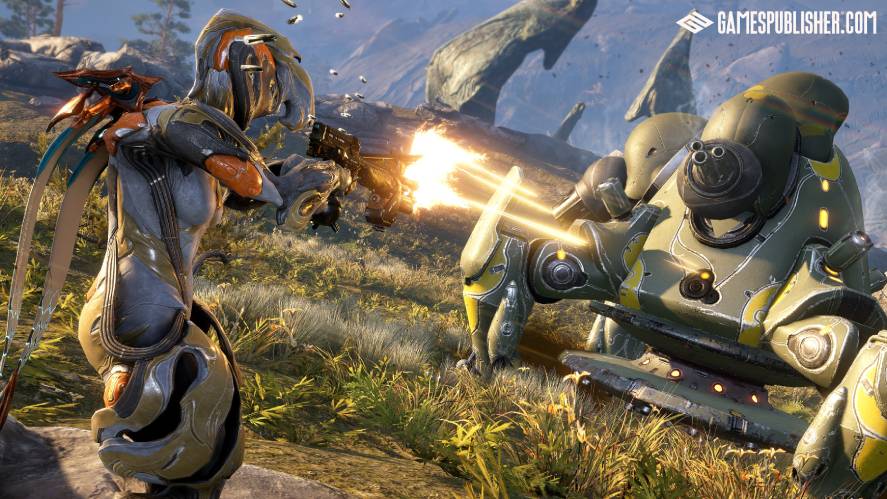
Warframe is a strong choice for groups looking for a free-to-play co-op game with a huge amount of content.
Its missions are fast, movement is highly mobile, and players can build different Warframes and weapons around very different playstyles.
The sheer amount of progression gives friends plenty to work toward.
You can complete missions together, experiment with builds, collect equipment, and gradually move into more demanding content.
For players who want best coop games on Steam or other platforms that can remain part of their gaming rotation for years, Warframe is one of the strongest long-term options.
Best Co-op Games by Play Style
Not every group wants the same type of co-op experience. Some friends want a focused two-player adventure, while others prefer a chaotic four-player session or a relaxed shared world.
These picks make it easier to find the best co op games for your group.
Best Co-op Games for Two Players
For two players, the strongest games are those that make cooperation part of the core design.
Split Fiction and It Takes Two are the clearest examples because both were built specifically around two players, with puzzles, abilities, and challenges that require you to work together.
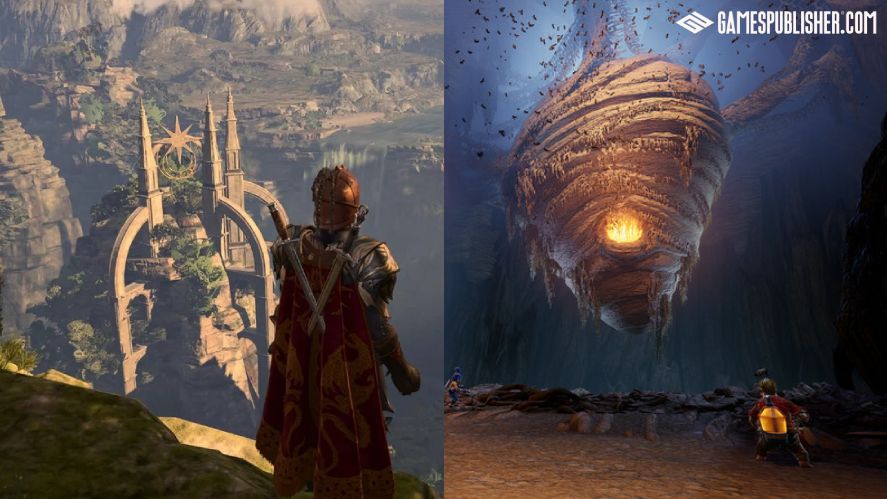
Other games, such as Baldur’s Gate 3 or Minecraft, also work well with two people, but they are not designed exclusively for pairs.
That distinction matters. A game built around exactly two players can create tighter coordination and more meaningful shared decisions.
Best Co-op Games for 3 or 4 Friends
A small squad opens up a different kind of co-op gameplay.
Helldivers 2 and Deep Rock Galactic are particularly strong because each additional player can contribute to the team’s strategy.
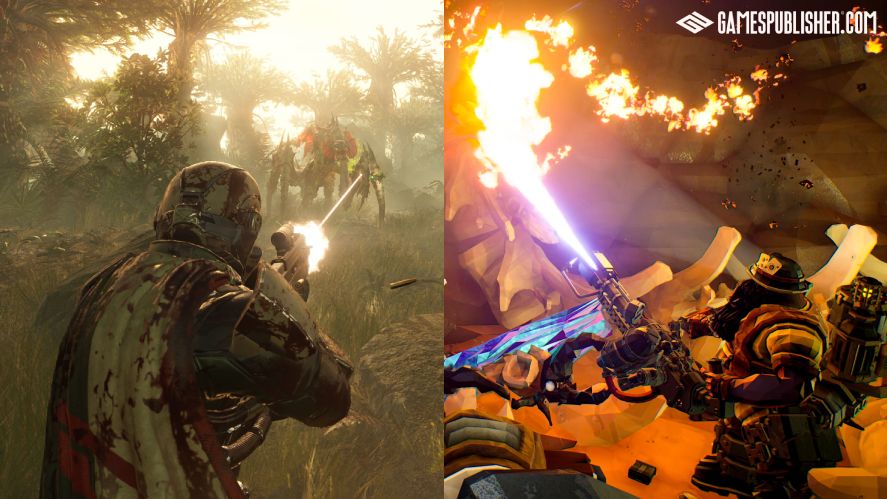
In Helldivers 2, four players can divide objectives and combine equipment while trying not to accidentally eliminate each other.
Deep Rock Galactic takes a more structured approach, with four classes that complement one another.
With three or four friends, communication becomes more important, but so does the chaos.
Best Couch Co-op Games
If everyone is in the same room, look for games with genuine local multiplayer rather than simply games that offer online co-op.
It Takes Two and Overcooked! All You Can Eat are strong choices for this type of session, while Stardew Valley also supports local co-op on most platforms.
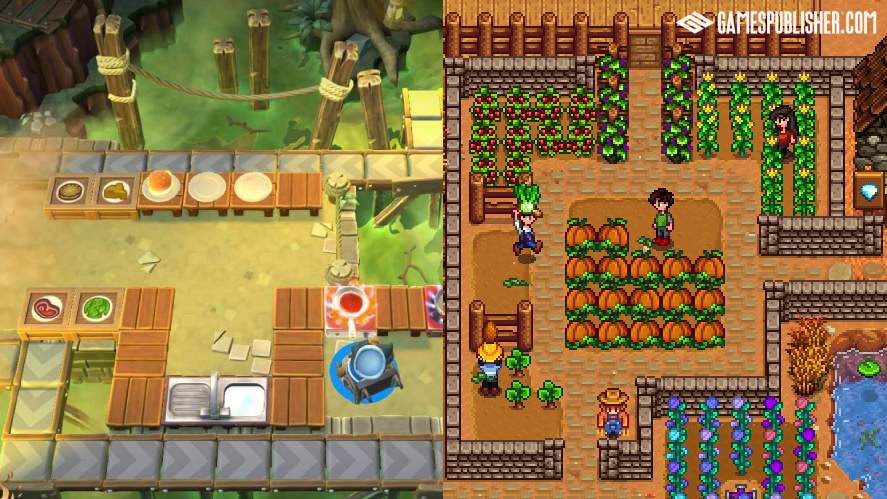
Platform support matters here.
Local multiplayer can differ between PC, PlayStation, Xbox, and Nintendo Switch versions, so check the current store listing before buying.
Just remember, a game supporting four-player online multiplayer does not automatically mean four people can play together on one console.
Best Online Co-op Games
For friends playing remotely, Helldivers 2, Deep Rock Galactic, Sea of Thieves, and Warframe offer very different experiences.
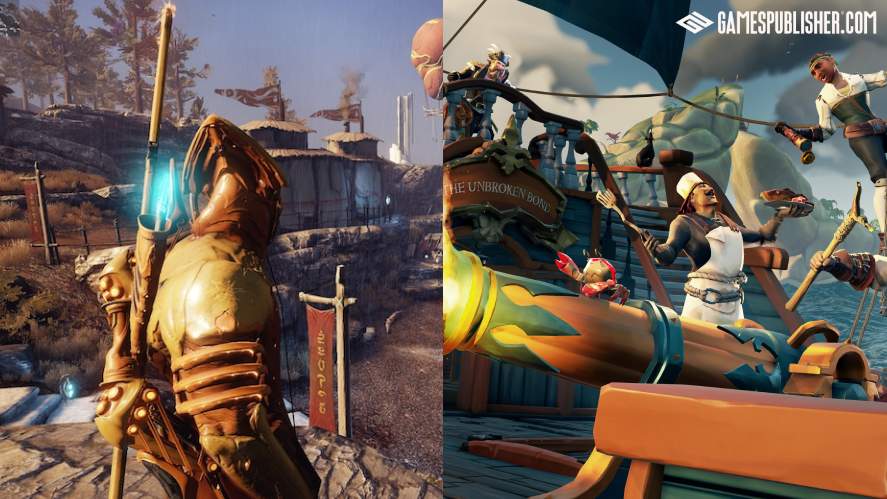
Helldivers 2 and Deep Rock Galactic work well for shorter missions, while Sea of Thieves is better suited to groups that want longer sessions and a persistent world.
Games such as Warframe can also become a long-term activity for a regular group. Its missions, progression systems, and large amount of content give players plenty of reasons to return.
Best Casual Co-op Games
Not every friend is a dedicated gamer. For casual groups, games with simple controls and flexible goals are usually better choices.
Minecraft is one of the easiest recommendations because players can build, explore, fight, or simply mess around without following a strict objective.
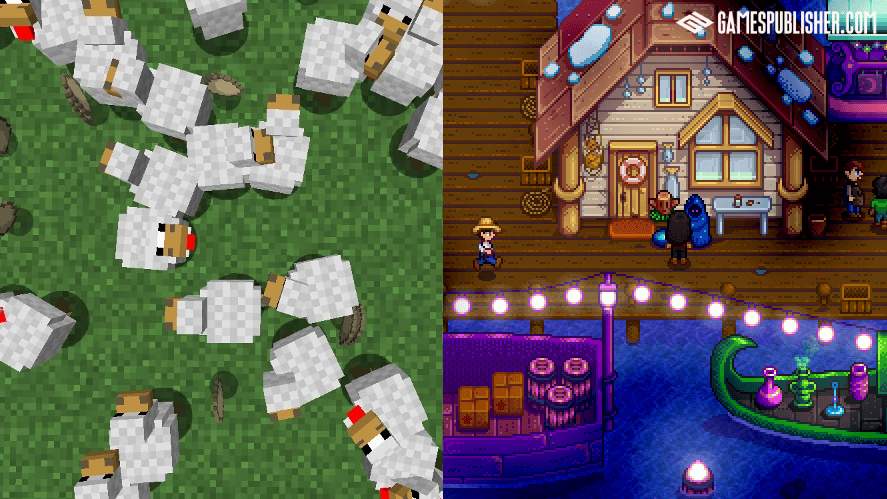
Stardew Valley offers a slower pace, while Overcooked! All You Can Eat is ideal for groups that want something quick and social.
The key is a low barrier to entry.
When everyone can understand the basics within a few minutes, the group can focus on having fun instead of teaching complicated systems.
Best Challenging Co-op Games
If your group enjoys difficult games, Elden Ring Nightreign, Monster Hunter Wilds, Helldivers 2, and Deep Rock Galactic offer plenty of opportunities to test your teamwork.
Challenging top co op games can create some of the best shared gaming memories.
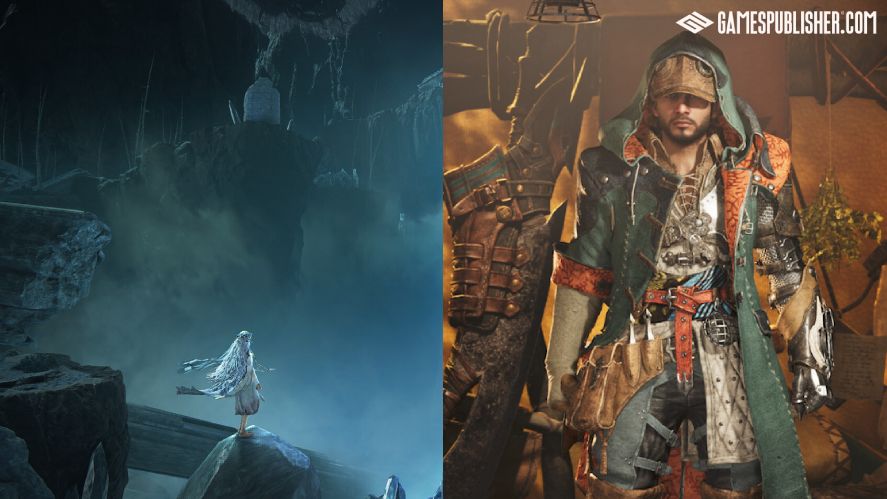
For example, finally defeating a difficult boss or surviving a disastrous mission feels better when everyone contributed.
The downside is that difficulty can make onboarding harder. If one friend rarely plays games, starting with an extremely demanding title may lead to frustration rather than fun.
In those cases, an approachable co-op game is usually the better starting point.
Best Co-op Games by Genre
Genre can make a big difference when choosing games to play with friends.
Some co-op titles are built around progression and story, while others focus on survival, combat, or simply creating memorable chaos together.
Best Co-op RPGs
Baldur’s Gate 3 is one of the strongest choices for players who want a full RPG campaign with friends.
Character creation, party builds, exploration, combat, and dialogue decisions all become shared experiences. Each player can control their own character and make independent choices, which can lead to unexpected outcomes.
Divinity: Original Sin 2 is another excellent option for groups that enjoy tactical combat and long campaigns.
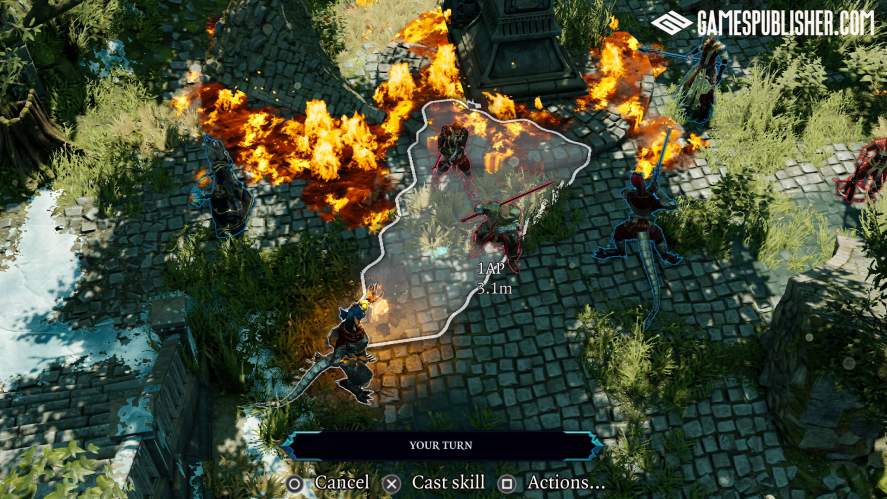
Monster Hunter Wilds offers a different style of RPG progression, focusing more on equipment, preparation, and repeated monster hunts.
These games work especially well for regular groups because progression gives players a reason to keep coming back.
Best Co-op Survival Games
Survival games are a natural fit for cooperative play because players can divide responsibilities. One person gathers resources, another builds a base, and someone else explores or hunts.
Minecraft remains one of the most flexible choices.
In this game, players can create a shared world and decide their own goals, from building huge structures to exploring dangerous areas.
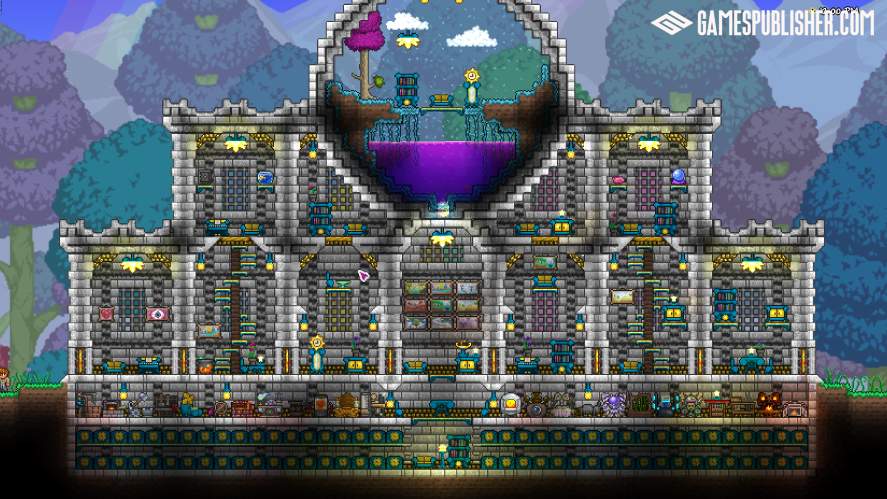
Likewise, Terraria takes a similar approach but adds deeper combat, crafting, and boss progression.
Persistent worlds are particularly useful for regular groups. You can leave a project unfinished, return days later, and immediately have something to work toward together.
Best Co-op Shooters
The best cooperative shooters give players a reason to work together rather than simply placing several people in the same match.
Helldivers 2 is a great example.
Players share objectives, manage limited resources, call in powerful equipment, and have to watch their positioning because friendly fire is always a threat.
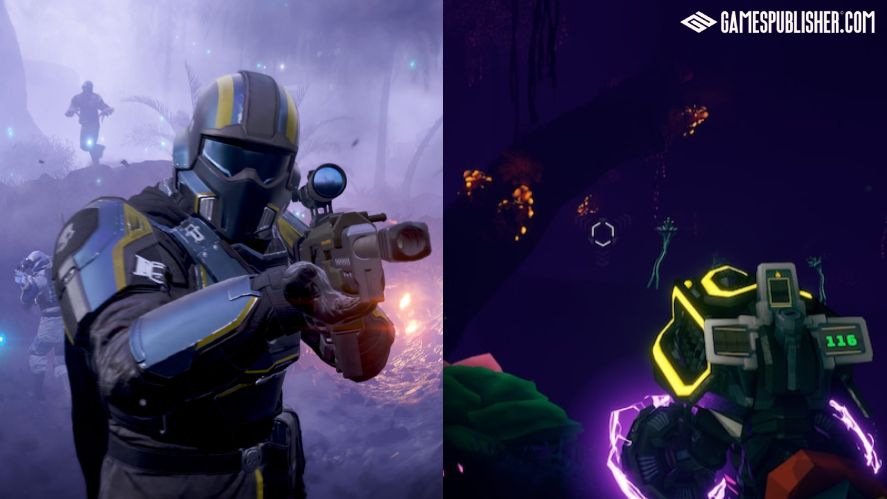
Deep Rock Galactic takes teamwork even further with its class system.
Each dwarf has different abilities, so players naturally rely on one another to explore caves, gather resources, and survive enemy attacks.
These systems make cooperation meaningful.
A team that communicates well can handle situations that would be much harder for players acting independently.
Best Co-op Horror Games
Co-op horror becomes especially entertaining when players have limited information and cannot always rely on each other for safety.
Lethal Company is a strong example.
Friends explore dangerous locations, collect scrap, and communicate while trying to survive long enough to meet their quota.
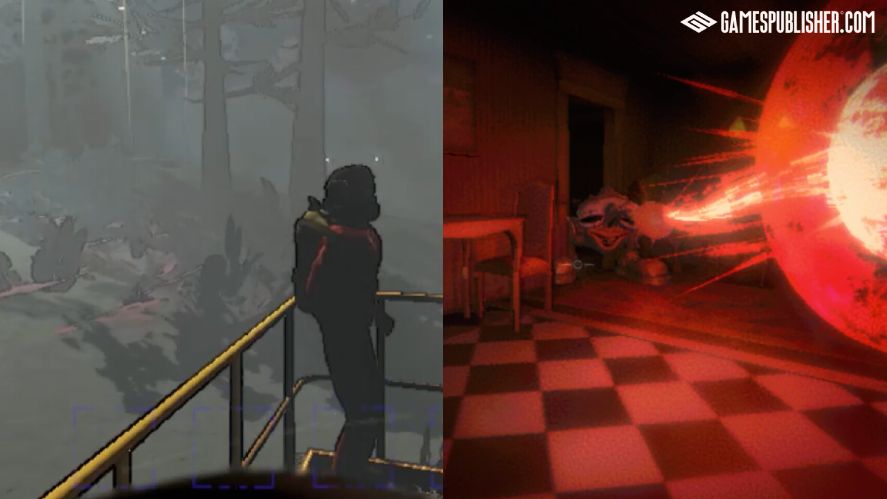
Proximity chat adds another layer because players may lose contact when separated.
On top of that, limited resources, unpredictable threats, and player mistakes can quickly turn a routine mission into chaos.
That unpredictability is what makes co-op horror different from playing alone. You are not only reacting to the game, but you are also reacting to your friends.
Best Co-op Indie Games
Indie developers continue to experiment with cooperative mechanics because smaller teams can often take creative risks without following established multiplayer formulas.
Lethal Company and PEAK are good examples of this approach, using simple concepts to create strong social experiences.
PEAK turns climbing and survival into a group challenge, where players can help each other overcome difficult sections while dealing with unpredictable hazards.
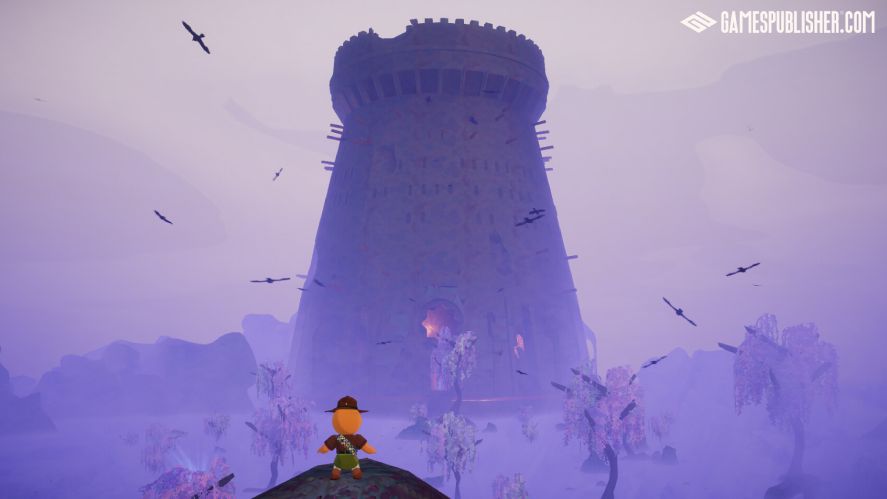
On the other hand, Lethal Company focuses more on communication, risk, and emergent comedy.
For players looking for good coop games beyond major publishers, indie titles are worth watching.
They often experiment with unusual rules and social mechanics that larger productions may be less willing to try.
Best Co-op Games With Cross-Platform Play
Cross-play is an important consideration when friends own different consoles or play on PC.
Before buying a co-op game, it helps to know whether everyone can actually join the same session.
What Is Cross-play?
Cross-play allows players on different platforms to play together in the same online game.
For example, a PC player might join a friend playing on PS5 or Xbox.
Cross-play can make top multiplayer games much easier to organize, especially when a friend group uses different hardware.
Cross-play is different from cross-platform progression or cross-save.
Cross-play determines whether players on different systems can play together, while cross-save allows a player’s progress, characters, or other data to carry between supported platforms.
There is also cross-generation multiplayer, which refers to playing between different generations of the same console family.
A PS4 player joining someone on PS5 is an example.
Which Co-op Games Let Friends Play Across Platforms?
Cross-platform support varies considerably between games. Some titles support PC, PlayStation, and Xbox together, while others only allow cross-play within certain platform combinations.
The table below provides a quick comparison of popular co-op games.
| Game | PC | PS5 | Xbox Series X/S | Switch/Switch 2 | Cross-play | Local Co-op | Max Online Co-op |
|---|---|---|---|---|---|---|---|
| Split Fiction | ✓ | ✓ | ✓ | Switch 2 | ✓ | ✓ | 2 |
| Helldivers 2 | ✓ | ✓ | ✓ | — | ✓ | No | 4 |
| Minecraft | ✓ | ✓ | ✓ | ✓ | Bedrock Edition | ✓ | Varies |
| Warframe | ✓ | ✓ | ✓ | Switch 2 | ✓ | No | 4 |
| It Takes Two | ✓ | ✓ | ✓ | Switch | No | ✓ | 2 |
| Sea of Thieves | ✓ | ✓ | ✓ | — | ✓ | No | 4 |
| Monster Hunter Wilds | ✓ | ✓ | ✓ | — | ✓ | No | 4 |
How to Choose the Best Co-op Game for Your Group
The best co-op game depends on more than reviews or player ratings.
Before choosing one, think about how many people will play, which platforms everyone uses, how much time you have, and whether your group wants a relaxed or challenging experience.
Consider How Many Friends Will Play
Start with your actual group size. A game that supports four players isn’t necessarily designed around four-player sessions.
Some co-op games are excellent with two people, while others become more enjoyable when the whole group joins.
Check the game’s maximum player count, but also consider its ideal group size.

If you usually play with one friend, a two-player adventure like It Takes Two or Split Fiction may be a better choice than a four-player game.
If your group size changes from session to session, look for games that remain fun with different numbers of players.
Check Online, Local, and Cross-play Support
Make sure the game works with the way your group actually plays.
Online co-op lets everyone play from separate devices, while local co-op allows players to share the same screen or console.
Cross-play is especially important if your friends use different platforms.
A PC player and PS5 player, for example, need a game that supports cross-platform multiplayer.
Also check whether everyone needs their own copy of the game, a separate account, or a platform-specific online subscription.
These requirements can affect the real cost of playing together.
Think About Session Length
Consider how long your group usually plays in one sitting.
Some co-op games work well for 20–30 minute sessions, making them easy to pick up when everyone has limited time.
Others are built around long campaigns, open-world exploration, or persistent worlds that reward regular play.
If your group only meets occasionally, a game with short, self-contained sessions may be easier to maintain.
If everyone can commit to longer sessions, a co-op RPG or survival game can provide much more room for progression.
Match the Difficulty to Your Group
Skill differences can make or break a co-op session.
If one player is experienced while another is new to the genre, a highly punishing game may become frustrating rather than fun.
For mixed-experience groups, look for games with accessible controls, adjustable difficulty, or mechanics that let experienced players help newer teammates.
If everyone enjoys a challenge, games that require communication, coordination, and well-timed teamwork can be much more rewarding.
The important thing is finding a difficulty level that keeps the whole group engaged.
Decide Between Progression and Pick-up-and-Play
Finally, decide whether your group wants to build toward something over multiple sessions or simply jump in and have fun.
Games with character progression, gear upgrades, crafting, or persistent worlds give your group reasons to keep coming back.
They’re a good fit if everyone enjoys developing characters and working toward longer-term goals.
Pick-up-and-play games are better when your group has an unpredictable schedule.
You can start a session without worrying about remembering a complicated build or catching up on hours of previous progress.
The best choice is ultimately the game that fits your group’s schedule, platforms, player count, and preferred style of play.
What Makes a Great Co-op Game?
A great coop game does more than let several people play at the same time.
The best games give players reasons to communicate, coordinate, and depend on each other.
Cooperation That Changes the Gameplay
Strong co-op design makes cooperation part of the gameplay rather than an optional feature.
For example, Split Fiction builds many of its challenges around two players working together.
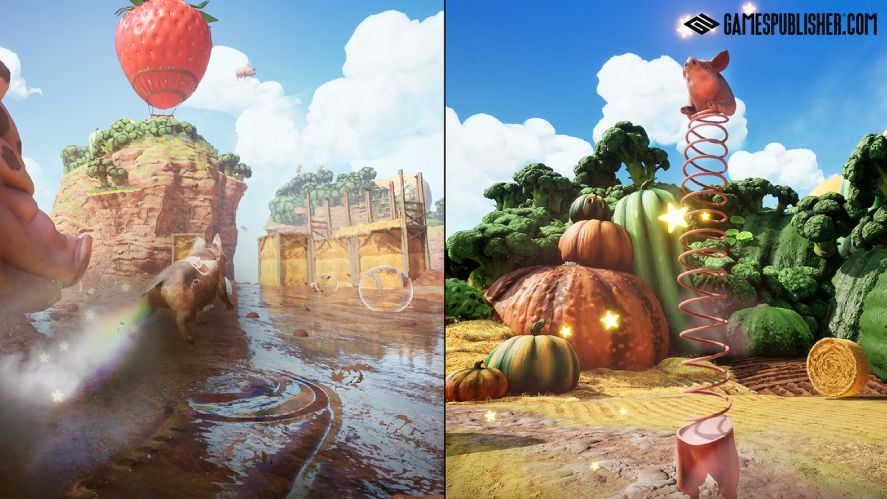
Each player may have a different ability or task, requiring them to coordinate instead of simply completing the same objectives side by side.
This distinction matters for developers, because adding a second player to a single-player experience doesn’t automatically create meaningful co-op.
Good multiplayer design asks players to do something together that would be different or impossible alone.
Communication and Complementary Roles
Communication becomes more valuable when players have different responsibilities.
Classes and character abilities can give teammates complementary roles, while puzzle games can split information or actions between players.
Other games use shared objectives, limited resources, crafting, or positioning to encourage players to coordinate.
The strongest systems don’t necessarily force players to communicate constantly.
Instead, they create situations where talking, planning, or helping a teammate naturally becomes the easiest way to succeed.
Emergent Moments and Replayability
Not every memorable co-op moment needs to be scripted.
When players can affect each other’s actions, unexpected situations can emerge.
A poorly timed move, last-second rescue, accidental mistake, or clever combination of abilities can create stories that players remember long after the session ends.
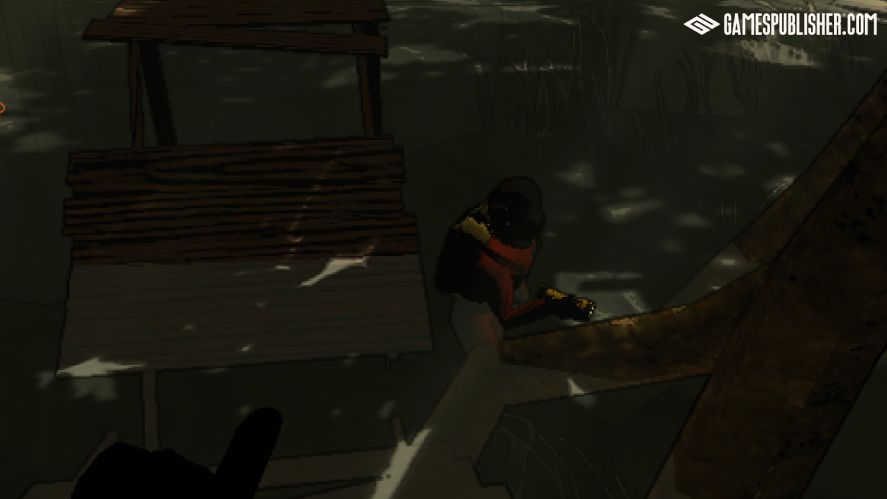
These moments can also increase replay value.
Players may approach the same encounter differently with another group, creating new outcomes even when the underlying content hasn’t changed.
Making It Easy for Friends to Join
Even a well-designed co-op game can struggle if getting into a session is complicated.
Developers can reduce that friction with features such as:
- Cross-play between supported platforms
- Simple matchmaking and invite systems
- Friend’s Pass-style access that lets another player join without purchasing the full game
- Scalable difficulty for different group sizes or skill levels
- Drop-in and drop-out multiplayer
- Reconnect functionality when someone loses their connection
- Clear onboarding that teaches players how their roles work
These features don’t replace good gameplay, but they can make it much easier for groups to actually experience that gameplay together.
What Publishers Can Learn From Successful Co-op Games
Successful co-op games can offer publishers an interesting growth opportunity because players often become a way of introducing the game to other players.
One person discovers a game, invites friends, and potentially brings several more people into the audience.
Co-op can also create strong opportunities for word-of-mouth marketing, streaming, creator content, and community building.
Unexpected multiplayer moments are naturally shareable, while ongoing updates can give established groups new reasons to return.
However, co-op should not be treated as a guarantee of retention or commercial success.
Audience fit, pricing, onboarding, gameplay quality, launch execution, and post-launch support still play major roles.
A game can have excellent multiplayer features and still struggle if the overall experience doesn’t give players a compelling reason to stay.
Frequently Asked Questions About the Best Co-op Games
Some standout co-op games in 2026 include Split Fiction, Monster Hunter Wilds, Helldivers 2, Sea of Thieves, Minecraft, and Warframe. The best choice depends on your group size, preferred genre, platforms, and play style.
Split Fiction and It Takes Two are two of the best choices for two players. Split Fiction is a strong pick for creative co-op gameplay, while It Takes Two focuses heavily on its story and cooperative mechanics.
Helldivers 2, Monster Hunter Wilds, Sea of Thieves, and Warframe all support up to four players online. They offer different experiences, from squad-based action and monster hunting to exploration and long-term progression.
Warframe is one of the best free-to-play co-op games, supporting four-player squads and cross-play. Free trials, free weekends, and subscription access are different from games that are permanently free-to-play.
Split Fiction and It Takes Two are strong couch co-op choices, with both supporting two players locally. Minecraft also supports local multiplayer on compatible versions and platforms.
Split Fiction, Helldivers 2, Minecraft Bedrock, Warframe, Sea of Thieves, and Monster Hunter Wilds support cross-play.
Playing with friends usually makes communication and coordination easier, while matchmaking is more convenient when you don’t have a regular group. The better option depends on whether you prefer playing with people you know or finding a game quickly.
Which of the Best Co-op Games Should You Play?
The best co-op game depends on your group’s size, preferred genre, available platforms, difficulty preferences, and how long you want to play together.
Split Fiction and It Takes Two are great for dedicated two-player adventures, while Helldivers 2 and Monster Hunter Wilds work well for four-player groups.
For longer-term experiences, Sea of Thieves, Minecraft, and Warframe offer plenty of room to keep playing together.
These games also show what makes co-op design effective.
Giving players meaningful reasons to communicate, creating memorable shared moments, and making it easy for friends to join can make the social experience one of a game’s biggest strengths.
For publishers, that can support word-of-mouth and community growth, but strong gameplay, pricing, onboarding, and post-launch support still matter.
Loading survey...