
How to get a game publisher is one of the most important questions an indie studio can ask when it wants more than just a successful launch it wants funding, visibility, platform access, and long-term business growth. Many independent creators start with a great idea, a prototype, or even a polished demo, but turning that project into a commercially successful release often requires support that goes beyond development alone.
That is where GamesPublisher.com can become a valuable resource for indie game developers and publishers. For developers, it offers insight into what publishers look for, how to prepare a stronger pitch, and how to understand the business side of game publishing. For publishers, it helps surface promising projects, talented teams, and new opportunities in the growing world of indie video games.
The modern video game industry is highly competitive. Thousands of indie games launch every year across Steam, consoles, mobile stores, and other gaming platforms. A good idea is no longer enough. Publishers evaluate much more than whether a game looks fun. They assess market potential, team reliability, production readiness, commercial viability, technical quality, and the studio’s ability to finish and support the project.
For many studios, learning how to get a game publisher is really about learning how to reduce perceived risk. A publisher wants to believe that your game can be completed, marketed, launched, and sold to the right audience. Your job is to make that belief easy.
This guide walks through the full process: preparing before you pitch, understanding what publishers look for, creating professional materials, avoiding common mistakes, building visibility, networking effectively, evaluating publishing offers, and deciding whether a publisher is the right partner for your indie game.
Preparation Guide Before You Start Pitching
Before sending emails or filling out submission forms, you need to prepare your game, your studio, and your business case. Many game developers make the mistake of pitching too early. They contact publishers with only a concept, a few sketches, or a vague promise that the final product will be amazing.

That rarely works.
Publishers often review a large volume of game submissions every year. Submissions can range from rough prototypes to nearly finished games, and some come from experienced studios with previous commercial releases. To compete, your project needs to look credible from the first interaction.
A publisher does not need your game to be finished, but they usually need enough evidence to understand what the game is, why players will care, how it will make money, and whether your team can complete it.
At minimum, you should have a playable build, a clear creative vision, a realistic production roadmap, and a basic understanding of your market. This is especially important in the indie game development process, where small teams often handle design, programming, art, marketing, production, community management, and business development at the same time.
How to Get a Game Publisher by Identifying the Right Publishing Fit
Not every publisher is right for every game. One of the fastest ways to waste time is to pitch your cozy farming RPG to a publisher that only works with competitive mobile strategy titles, or to pitch a premium PC horror game to a company focused entirely on free-to-play mobile releases.
Different game publishers specialize in different areas, including:
- Mobile games
- PC games
- Console games
- Premium indie games
- Free-to-play titles
- Narrative games
- Strategy games
- Simulation games
- Action games
- Multiplayer games
- Regional distribution
- Console porting
- Live service support
Some publishers are strongest in North America and Europe. Others may have deep relationships in Asia, Latin America, or specific console ecosystems. Some can provide large production budgets, while others focus on smaller projects that need marketing, localization, or platform support.
Understanding this helps you avoid generic pitching. A strong pitch explains why your game fits that specific publisher’s portfolio.
For example, if a publisher has released several successful narrative puzzle games, and your title combines emotional storytelling with puzzle-solving, that is a clear connection. If a publisher has deep experience launching premium indie games on Steam and Nintendo Switch, and your game is designed for those platforms, that also strengthens your case.
How to Get a Game Publisher by Researching Each Publisher Carefully
Research is one of the most overlooked parts of the pitching process. Before contacting any video game publisher, study their past work.
Look at the previous games they published. Were those games commercially successful? Did they receive strong user reviews? Were they marketed well? Did the publisher support the developers after launch? Did players complain about broken promises, poor ports, or lack of updates?
You should also examine:
- The genres they publish
- The platforms they focus on
- The size of their projects
- Their marketing style
- Their funding capacity
- Their reputation among developers
- Their communication style
- Whether they accept unsolicited pitches
- Their submission guidelines
A publisher’s catalog tells you what they understand. If your game fits naturally beside their previous releases while still offering something fresh, you have a better chance of getting attention.
This also helps you protect your studio. Not all publishers are equally helpful. Some provide meaningful funding, marketing support, and business development. Others may offer limited value while taking a large revenue share. Research helps you find partners who can genuinely move your project forward.
Indie Game Evaluation Guide
Publishers usually assess whether the game delivers an enjoyable experience early, presents a clear hook, appeals to a defined audience, and can realistically be completed by the team. They also consider its marketing potential, ability to stand out in a competitive market, budget feasibility, and overall commercial value.
Gameplay Hook Guide
A strong gameplay hook is one of the first things publishers look for. Your hook is the reason someone stops scrolling and says, “I want to play that.”
It might be a unique mechanic, a striking visual style, a clever genre twist, an unusual setting, or a powerful player fantasy. For example, a roguelike where every weapon changes the level design has a clearer hook than “a fantasy action game with upgrades.” A cozy game about restoring abandoned train stations has a clearer fantasy than “a casual management game.”
Your hook should be easy to understand in a sentence, a screenshot, or a few seconds of video. This matters because publishers need to market the game. If the concept takes ten minutes to explain, it may be harder to sell.
A good hook often answers three questions:
- What does the player do?
- Why is it different?
- Why is it exciting right away?
The gaming market rewards clarity. Players are overwhelmed with choices, and publishers know this. If your game has immediate appeal, your pitch becomes much stronger.
Target Audience Guide
Publishers want to know who will buy your game. “Everyone” is not a target audience. Even the biggest games are built around specific player motivations.
A clear target audience might be:
- Fans of tactical RPGs who enjoy deep party customization
- Cozy gamers who like relaxing progression and decoration
- Horror players who enjoy psychological tension over jump scares
- Strategy players who want short, replayable sessions
- Metroidvania fans who value exploration and skill-based combat
You should know your genre, your comparable titles, and your audience’s expectations. Comparable games are especially useful because they help publishers understand market positioning. However, you should not simply say your game is “Stardew Valley meets Hollow Knight” unless that comparison is accurate and meaningful.
Publishers want to see that you understand why players buy certain games, how they discover them, and what makes them recommend those games to others.
This is where knowledge of gaming communities becomes valuable. Steam reviews, Discord discussions, Reddit communities, YouTube comments, and festival feedback can reveal what players care about most.
Market Potential Guide
A publisher is a business partner. Even if they love creative games, they still need to evaluate commercial opportunity.
Market potential includes several factors:
- Genre demand
- Platform fit
- Pricing strategy
- Replayability
- Wishlists or community interest
- Sales performance of comparable titles
- Regional opportunities
- Streamer and influencer appeal
- Post-launch content potential
A small, polished game with a clear audience can be more attractive than a massive, unfocused project. Publishers often prefer projects where the scope, audience, and budget make sense together.
For example, a $150,000 development budget for a stylish puzzle adventure with strong Steam wishlist traction may be easier to justify than a $2 million open-world RPG from a first-time team with no prototype.
Market potential does not mean chasing trends blindly. In the gaming industry, trends shift quickly. What matters more is proving that your game has a reachable audience and a realistic path to revenue.
Prototype Readiness Guide
A playable prototype is one of your strongest assets. It allows publishers to experience the game instead of only imagining it.

Ideally, you should prepare a vertical slice. A vertical slice is a polished section of the game that demonstrates the core gameplay, visual direction, user interface, audio style, and overall experience. It does not need to include every feature, but it should represent the quality you are aiming for.
Your prototype should show:
- The main gameplay loop
- The core mechanic
- The player fantasy
- Basic progression
- Visual direction
- Technical stability
- A sense of polish
A stable build matters. Publishers understand that prototypes are unfinished, but crashes, broken controls, unclear menus, or missing instructions can damage confidence.
Think of the prototype as proof of concept. It tells the publisher, “This is not just an idea. This works.”
Team Capability Guide
A publisher is not only investing in a game. It is investing in the people making it.
Team capability includes experience, communication, planning, production discipline, and the ability to solve problems. A small team can be very attractive if it has strong focus and realistic scope. A larger team can still be risky if it lacks organization.
Publishers may evaluate:
- Previous released games
- Relevant professional experience
- Technical skills
- Art and design capability
- Production planning
- Communication habits
- Ability to hit milestones
- Budget management
- Willingness to accept feedback
Even if this is your first commercial release, you can still build trust. Show prototypes, game jam projects, professional portfolios, development logs, playtest results, and a clear roadmap.
Many people search for what is a game developer when they first enter the field, but from a publisher’s point of view, a game developer is not just someone who makes a game. A professional game developer is someone who can bring an idea through production, testing, launch, and post-launch support.
That distinction matters when money, deadlines, and platform obligations are involved.
Technical Quality Guide
Technical quality affects confidence. A publisher does not expect your early build to be perfect, but they do want signs that the foundation is solid.
Technical quality includes:
- Performance
- Stability
- Load times
- Input responsiveness
- User interface clarity
- Save systems
- Bug management
- Build delivery
- Platform readiness
- Accessibility considerations
A visually impressive game that crashes often is risky. A simple game that runs smoothly and communicates clearly may feel much more reliable.
Publishers also think ahead to certification, localization, console porting, patches, and quality assurance. Strong technical workflows can help lower production risks later in development.
How to Get a Game Publisher With a Professional Pitch
A professional pitch package improves credibility immediately. It shows that you understand both the creative and business sides of game development.
Your pitch does not need to be flashy, but it must be clear. Publishers are busy. They should be able to understand your game, your audience, your progress, your budget, and your request quickly.

The goal is not to overwhelm them with every detail. The goal is to make them interested enough to play the build and start a conversation.
How to Get a Game Publisher by Building an Effective Pitch Deck
Your pitch deck is often the first serious document a publisher reviews. It should communicate the opportunity clearly and visually.
A strong pitch deck usually includes:
- Game title
- Elevator pitch
- Genre and platforms
- Target audience
- Gameplay loop
- Unique selling points
- Screenshots or GIFs
- Trailer link
- Comparable games
- Market positioning
- Team introduction
- Production status
- Development timeline
- Budget
- Funding request
- Business model
- Contact details
The elevator pitch should be short and memorable. For example:
“An atmospheric puzzle adventure where players manipulate forgotten memories to rebuild a collapsing dream world.”
That sentence gives a sense of genre, mechanic, tone, and fantasy.
Your screenshots should show gameplay, not just menus or concept art. Timeline should be realistic. Budget should be specific enough to show that you understand your costs.
A publisher should never finish your deck wondering what you are asking for. Are you seeking full funding? Marketing support? Console porting? Localization? Distribution? Make the request clear.
Gameplay Trailer Guide
Your trailer may matter even more than your pitch deck. In many cases, publishers will click the trailer before reading the full document.
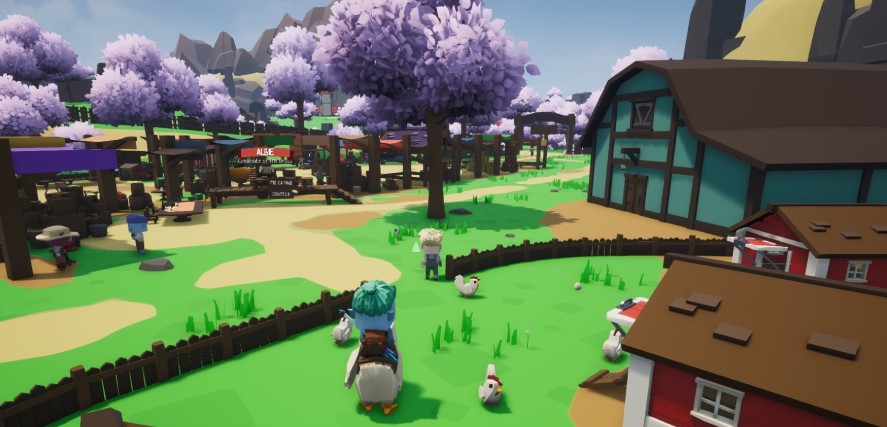
The first few seconds are critical. Avoid long logo intros, slow cinematic openings, and vague mood shots. Show gameplay quickly. Highlight the hook. Let the publisher understand what makes the game special.
A strong gameplay trailer should:
- Start with an attention-grabbing moment
- Show real gameplay early
- Demonstrate the core loop
- Highlight unique mechanics
- Include strong visuals
- Keep pacing tight
- End with a clear title and call to action
Do not hide the game behind editing. Publishers need to see what players actually do. Cinematic trailers can be useful later, but for pitching, gameplay clarity is usually more important.
If your game is best understood through motion, include GIFs in your pitch email or deck. A great GIF can communicate a hook faster than a paragraph.
How to Get a Game Publisher by Including a Press Kit
A press kit makes your project easier to evaluate, share, and discuss internally. It also signals professionalism.
Your press kit should include:
- Game logo
- Key art
- Screenshots
- Gameplay GIFs
- Trailer link
- Fact sheet
- Studio description
- Team bios
- Platform information
- Release window
- Contact details
- Social links
- Store page, if available
The fact sheet should answer basic questions quickly: What is the game? Who is making it? What platforms is it targeting? What stage is it in? When is it expected to launch?
A press kit is also useful beyond publishing. Journalists, influencers, platform representatives, and festival organizers may all need the same information.
Publisher Rejection Guide
Rejection is common in game publishing. A publisher may reject a game for several reasons, including poor portfolio fit, bad timing, or a pitch that fails to communicate the project’s real value.

Understanding common mistakes can help you avoid unnecessary rejection.
How to Get a Game Publisher by Avoiding No Clear Selling Point
A game without a clear selling point is difficult to publish. Publishers need to know why players will care.
If your pitch says, “Our game has exploration, combat, crafting, and a story,” that may describe thousands of games. What makes yours different? Consider what makes the experience distinctive: physics-based combat, a story influenced by player guilt, a crafting system tied to emotional memories, or a world shaped by music.
Specificity matters.
How to Get a Game Publisher by Avoiding Poor Market Research
Poor market research makes a project look risky. If you do not know your audience, comparable games, or pricing strategy, publishers may assume you are not ready.
Market research does not need to be complicated, but it should be thoughtful. Study similar games. Look at reviews. Understand player complaints. Compare price points. Track platform trends. Analyze why certain games succeeded or failed.
This helps you explain where your game fits in the market.
How to Get a Game Publisher by Avoiding Unrealistic Budgets
Unrealistic budgets are a major red flag. Some developers ask for too much without justification. Others ask for too little, which can be just as concerning.
If your budget is too low, publishers may worry that you do not understand the true cost of production. Have you included salaries, contractors, software, localization, QA, marketing assets, porting, ratings, legal costs, and contingency?
A realistic budget shows maturity.
How to Get a Game Publisher by Avoiding Weak Presentation Materials
Weak materials can make a good game look unprofessional. Blurry screenshots, confusing pitch decks, broken trailer links, missing contact details, or poorly written emails all reduce confidence.
Presentation is not about pretending to be bigger than you are. It is about respecting the publisher’s time and making your project easy to understand.
How to Get a Game Publisher by Avoiding Pitching Too Early
Pitching too early can close doors before your game is ready. If a publisher sees your game in a weak state, they may not revisit it later.
There are exceptions. Experienced teams with strong track records may secure funding at concept stage. But most indie teams need a playable prototype, clear direction, and evidence of execution.
Before you pitch, consider whether your current build truly reflects the quality and potential of the finished game. If not, keep improving.
How to Get a Game Publisher by Following Submission Guidelines
Ignoring publisher submission guidelines is an easy way to get rejected. Follow each publisher’s submission instructions carefully, whether that means completing a form, adding a trailer link, or avoiding large file attachments.
Guidelines exist to help publishers review projects efficiently. Following them shows professionalism.
How to Stand Out From Hundreds of Other Indie Developers
Standing out is not only about having better art or a bigger budget. It is about proving that people care about your game and that your team can keep building momentum.
Publishers like evidence. The more validation you can show, the easier it is for them to believe in the opportunity.
How to Get a Game Publisher by Building a Community Early
Community building should start before launch, not after. A small but engaged community can be more valuable than a large passive audience.
You can build community through:
- Discord
- Steam announcements
- TikTok
- YouTube Shorts
- Developer blogs
- Email newsletters
- Twitter/X
- Bluesky
- Indie game festivals
- Devlogs
Community gives you direct feedback. It also shows publishers that your game can attract attention.
Steam wishlists are especially important for PC-focused indie games. They are not the only metric that matters, but they help demonstrate player interest before release.
How to Get a Game Publisher by Demonstrating Player Interest
Player interest can come in many forms:
- Demo downloads
- Wishlist numbers
- Playtest signups
- Festival selections
- Streamer coverage
- Social media engagement
- Discord activity
- Newsletter subscribers
- Survey responses
- Convention booth feedback
The key is to show real signals. A publisher will be more interested if you can say, “Our demo received 20,000 downloads during a festival and generated a 35% wishlist conversion rate,” than if you simply say, “People will love this game.”
Even small numbers can be persuasive if they show strong engagement from the right audience.
How to Get a Game Publisher by Collecting Positive Feedback
Feedback helps validate the game. It also helps you improve the pitch.
Useful feedback can come from:
- Players
- Influencers
- Journalists
- Festival judges
- Other developers
- Platform representatives
- Community members
- User reviews
- Prototype testing
Look for patterns. If playtesters consistently praise the same mechanic, that may be your hook. If players are confused by the same system, fix it before pitching.
Positive quotes can be included in your deck, but be honest. Do not exaggerate or take feedback out of context.
How to Get a Game Publisher by Showing Consistent Development Progress
Publishers want to know that you can keep moving. Consistent progress is reassuring.
You can show this through:
- Development updates
- Roadmaps
- Milestone tracking
- Build history
- Patch notes
- Production schedules
- Completed features
- Before-and-after improvements
A beautiful prototype with no production plan is risky. A clear roadmap with steady progress builds confidence.
How to Get a Game Publisher Through Networking
Many publishing relationships begin before a formal pitch. Networking helps publishers become familiar with your team and project over time.
This does not mean aggressively promoting your game to everyone you meet. It means building professional relationships, participating in the industry, and being visible in the right spaces.
How to Get a Game Publisher by Attending Industry Events
Industry events remain valuable for indie studios. They allow developers to meet publishers, platform representatives, press, investors, and other creators.

Important events include:
- GDC
- Gamescom
- PAX
- Tokyo Game Show
- BitSummit
- Develop:Brighton
- IndieCade
- DreamHack
- EGX
- Indie-focused showcases
At these events, preparation matters. Have a short pitch ready. Bring a playable build if possible. Prepare business cards or digital contact links. Research which publishers will be present and try to schedule conversations in advance.
Do not try to explain your entire game in five minutes. Your goal is to create enough interest for a follow-up conversation.
How to Get a Game Publisher Through Online Pitch Events
Online events have made publisher access easier for many developers. Digital showcases, pitch competitions, publisher office hours, and virtual festivals can help you reach decision-makers without travel costs.
These events are especially useful for small teams or developers outside major industry hubs.
Prepare the same way you would for an in-person event. Keep your pitch concise. Test your build. Make sure your video and audio setup works. Follow up professionally afterward.
How to Get a Game Publisher by Connecting on LinkedIn and Discord
LinkedIn and Discord can be useful for professional networking when used respectfully. Many publishers, scouts, producers, and business development managers are active online.
When reaching out, keep messages short and relevant. Mention why you think your game fits their portfolio. Include a trailer or pitch link. Avoid mass messages that feel copied and pasted.
A good first message might briefly include:
- Who you are
- What your game is
- Why it may fit their publishing focus
- A trailer link
- A polite invitation to review the project
Follow up once after a reasonable period, but do not pressure or spam. Professional communication matters. Publishers notice how developers handle rejection, feedback, and delays.
What Publishers May Offer Beyond Funding
Funding is one of the main reasons developers seek publishers, but it is not the only benefit. A strong publishing partner can support many areas that are difficult for a small studio to manage alone.

This is why understanding what do game publisher do is important. In simple terms, a publisher helps bring a game to market and improve its chances of commercial success. But the exact services vary widely from one publisher to another.
How to Get a Game Publisher That Provides Marketing Support
Marketing is one of the biggest advantages a publisher can offer. Many indie developers underestimate how difficult it is to get attention.
Marketing support may include:
- Trailer production
- Store page optimization
- Press outreach
- Influencer campaigns
- Paid advertising
- Social media strategy
- Event submissions
- Festival coordination
- Launch planning
- Brand positioning
A great publisher understands how to position your game so the right players notice it.
How to Get a Game Publisher That Provides QA and Localization
Quality assurance and localization can significantly improve player experience.
QA helps identify bugs, crashes, progression blockers, usability issues, performance problems, and platform-specific errors. Localization helps your game reach players in different languages and regions.
For some games, localization can meaningfully expand revenue potential. For others, QA can prevent negative reviews that hurt launch momentum.
How to Get a Game Publisher With Platform Relationships
Publishers often have relationships with platform holders, storefront teams, and account managers. These relationships do not guarantee promotion, but they can help your game receive consideration for featuring, events, discounts, showcases, or platform programs.
Platform relationships can be especially useful for console releases, where processes are often more complex than PC launches.
How to Get a Game Publisher for Console Certification Assistance
Console certification can be challenging for first-time developers. Each platform has technical requirements, submission processes, and compliance rules.
A publisher with console experience can help with:
- Platform onboarding
- Developer account processes
- Technical requirement checklists
- Build submission
- Certification testing
- Porting coordination
- Release scheduling
This support can save time and reduce costly mistakes.
How to Get a Game Publisher That Supports Live Operations
For multiplayer, free-to-play, or content-driven games, live operations can be essential. Live ops may include events, updates, analytics, player support, monetization tuning, and community management.
Not every indie game needs live operations. A short premium narrative game may not require it. But for games designed around long-term engagement, publisher support can be valuable.
How to Get a Game Publisher for Distribution and Business Development
Distribution and business development can include store negotiations, subscription service opportunities, regional deals, bundles, licensing, platform promotions, and partnerships.
A publisher may help your game reach a video game distribution platform or multiple storefronts more effectively. They may also help coordinate releases across gaming platforms such as Steam, Epic Games Store, PlayStation, Xbox, Nintendo Switch, iOS, Android, and cloud services.
This business support can be difficult for a small indie team to manage alone.
Questions to Ask Before Signing With a Publisher
Getting publisher interest is exciting, but do not rush into a deal without understanding the terms. A publishing agreement can shape your studio’s future for years.
Before signing, consult a lawyer with experience in games or entertainment contracts. This is not just a formality. Contract details can affect revenue, ownership, creative control, sequel rights, ports, DLC, and long-term business options.
How to Get a Game Publisher While Understanding Revenue Share
Revenue share determines how money is split after release. You need to understand:
- Gross revenue versus net revenue
- Platform fees
- Recoupment terms
- Marketing cost deductions
- Publisher fees
- Payment timing
- Reporting transparency
Many publishing deals allow the publisher to recoup its investment before revenue is split. That can be normal, but the details matter. Make sure you understand when your studio will actually receive money.
How to Get a Game Publisher Without Losing Intellectual Property Ownership
Intellectual property ownership is one of the most important contract points. In many indie publishing deals, the developer keeps the IP while the publisher receives publishing rights for certain platforms, regions, or time periods.
However, not all deals work this way.
Ask clearly:
- Who owns the game IP?
- Who owns the characters, world, and brand?
- Who controls sequels?
- Who controls DLC?
- What happens if the publisher does not release the game?
- What happens if either company is acquired?
Protecting IP may be crucial for long-term studio growth.
How to Get a Game Publisher With Clear Marketing Commitments
A publisher may promise marketing support, but the contract should clarify what that means.
Ask:
- Is there a guaranteed marketing budget?
- What activities are included?
- Who approves trailers and store assets?
- Will the publisher handle influencer outreach?
- Will there be paid ads?
- Will the game be submitted to festivals and showcases?
- How will marketing performance be reported?
Vague marketing promises can lead to disappointment. Clear commitments reduce confusion.
How to Get a Game Publisher With Milestone Payments
Milestone payments are common in funded deals. The publisher pays portions of the budget when the developer completes agreed production milestones.
Milestones should be specific, measurable, and realistic.
Examples include:
- Prototype approval
- Vertical slice delivery
- Alpha build
- Beta build
- Release candidate
- Console certification build
- Launch
Be careful with milestones that depend too heavily on subjective approval. If a publisher can delay payment because they “do not feel” the build is ready, your cash flow may be at risk.
How to Get a Game Publisher While Reviewing Contract Length
Publishing rights may last for a specific number of years or for the life of the copyright. The length of the agreement matters.
Clarify how long the publisher will control distribution rights, whether those rights differ by platform or region, and what happens once the agreement ends.
A long contract may be acceptable if the publisher provides major funding and support. But if the publisher offers limited value, long-term control may not be worth it.
How to Get a Game Publisher With Rights Reversion
Rights reversion explains when rights return to the developer. This can protect your studio if the publisher fails to release or support the game.
Rights reversion clauses may apply if:
- The publisher fails to release the game within the agreed timeline.
- The publisher stops selling the game
- The publisher breaches the agreement
- Revenue falls below a threshold
- The contract term expires
A good contract should explain what happens to builds, store pages, trademarks, localizations, ports, and marketing assets if rights revert.
Additional Considerations for Indie Studios
Publishing is not the right path for every studio. Some developers self-publish successfully, especially when they have strong marketing skills, a manageable scope, and direct access to their audience.
The defference between developers who benefit from publishers and those who self-publish often comes down to resources, experience, goals, and risk tolerance. Some teams need funding to finish production. Others need marketing reach. Others need console support. Some only need a consultant, contractor, or platform partner rather than a full publishing deal.
It is also worth clarifying what is game publisher for newer creators. A game publisher is a company that helps finance, market, distribute, and commercialize a game. The exact role varies, but publishers usually focus on turning a game into a market-ready product with a stronger chance of success.
A developer video games career path can look very different from studio to studio. Developers may work independently or as part of larger companies, with roles that can span programming, art, design, audio, QA, production, writing, and other areas of game creation. In publishing conversations, however, the key question is not just talent. It is whether the team can deliver a complete product.
That is why publishers assess both the game and the studio behind it.
FAQ: How to Get a Game Publisher
Most indie teams should wait until they have a playable prototype or vertical slice. If your studio has a strong track record, you may be able to pitch earlier. First-time teams usually need something playable to prove the concept.
No. Many publishers prefer to get involved before the game is finished, especially if they are providing funding, production guidance, marketing, or platform support. However, you need enough progress to show the game’s potential.
Send a short, professional message with your elevator pitch, trailer link, pitch deck, platform targets, development status, funding request, and contact details. Keep it brief and easy to scan.
You can pitch to multiple publishers, but tailor each message. Avoid generic mass emails. Track who you contact, when you follow up, and what response you receive.
Rejection does not always mean your game is bad. It may not fit their portfolio, budget, schedule, or strategy. Use feedback when available, improve your materials, continue building player validation, and approach better-fit publishers.
Yes. Many indie studios self-publish successfully. Self-publishing gives you more control and potentially more revenue, but it also means you handle funding, marketing, QA, localization, platform management, distribution, and launch strategy yourself.
Conclusion
Learning how to get a game publisher is not about sending a clever email and hoping for the best. It is about building a compelling game, proving market demand, showing team capability, preparing professional materials, and approaching the right publishers with a clear business case.
Publishers look for more than creativity. They want to see a strong gameplay hook, a defined audience, a playable prototype, realistic production planning, technical quality, and commercial potential. They also want to know that your team communicates well, handles feedback professionally, and can finish what it starts.
For indie developers, the best publishing strategy is preparation. Improve your game. Gather player validation. Build a community. Create a strong pitch deck. Make a gameplay-focused trailer. Research every publisher carefully. Tailor each pitch to the publisher’s portfolio instead of sending the same generic message to everyone.
A good publisher can provide funding, marketing, QA, localization, platform relationships, console certification help, live operations, distribution support, and business development. But the right deal must also protect your studio’s future. Before signing, carefully examine the revenue split, IP rights, marketing obligations, payment milestones, contract duration, and rights reversion terms.
The path to publishing is competitive, but it is not mysterious. Reduce risk, demonstrate opportunity, and make it easy for the publisher to understand why your game deserves attention.
To continue learning about game publishing, indie partnerships, and how developers and publishers can work together, explore more indie publishing resources on GamesPublisher.com.
Loading survey...