
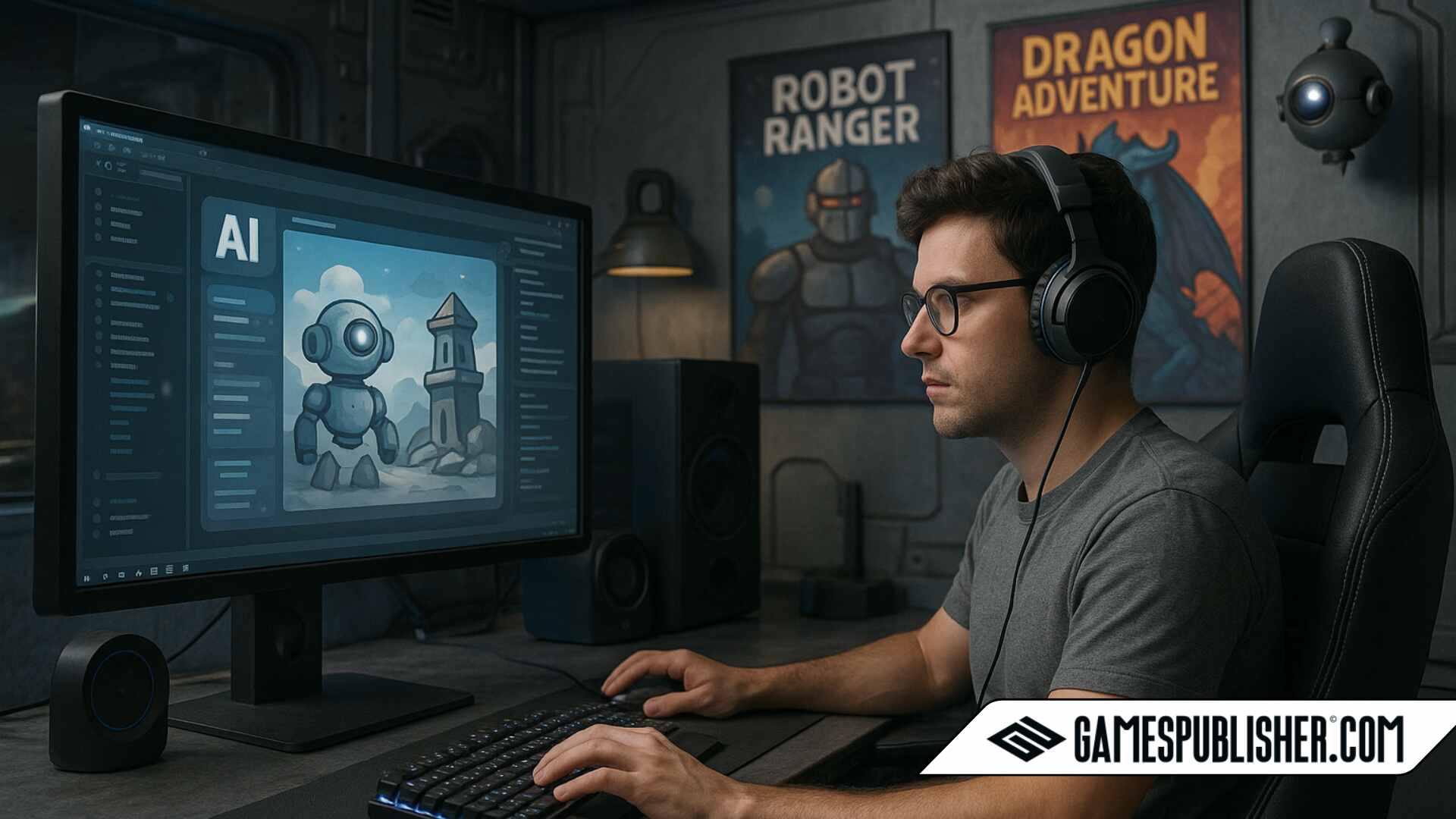
Learning how to make games with AI in 2026 can help developers turn their ideas into playable experiences. Artificial intelligence supports many stages of game development, from writing code and creating artwork to testing gameplay and publishing games.
Both indie developers and large studios can use AI tools to explore ideas, build prototypes, and improve their workflows. However, developers still need to review the results, fix errors, and make creative decisions.
In this guide, we explore useful AI tools, practical development methods, and emerging trends in the gaming industry).
How to Make Games with AI in 2026 – The New Era of Development
Overview of AI-Powered Game Development
AI supports many stages of modern game development. It helps developers complete routine tasks and explore new ideas.
Some common uses of AI include:
- Writing and reviewing game code.
- Creating concept art, textures, and 3D models.
- Planning levels, missions, and quests.
- Developing interactive characters.
- Testing gameplay and identifying bugs.
These tools can help beginners learn game development. They also give experienced developers more time to focus on creativity and design.
However, AI does not replace the need for technical knowledge, testing, and human judgment.
The Benefits of AI in Game Creation
AI offers several benefits for game developers when they use it effectively.
- Faster prototyping: Developers can test game ideas before starting full production.
- Lower workloads: AI can assist with routine tasks and reduce manual work.
- Creative exploration: Teams can try different art styles, characters, and gameplay ideas.
- Interactive gameplay: AI can support characters and systems that respond to player actions.
- Beginner-friendly tools: AI assistants can help new developers understand code and game design.
These benefits make AI a useful part of game development. However, the results depend on the tools, project requirements, and skills of the development team.
Using AI With No-Code and Low-Code Game Development Tools
Best AI Tools for No-Code Game Creation
You do not need advanced programming skills to start building a simple game. Many AI tools support no-code and low-code game development by helping creators with ideas, artwork, and scripts.
Here are some useful AI tools for game development in 2026:
- Ludo.ai: Helps developers explore game ideas and concepts.
- Scenario: Helps creators produce consistent game art, characters, props, and textures.
- Unity AI: Offers tools for coding, asset generation, and scene creation within Unity 6 and later.
- Roblox Studio Assistant: Helps creators write scripts, generate content, and build interactive Roblox experiences.
Each tool serves a different purpose. Choose one that fits your project, budget, and experience level.
Building Prototypes and MVPs Quickly with AI
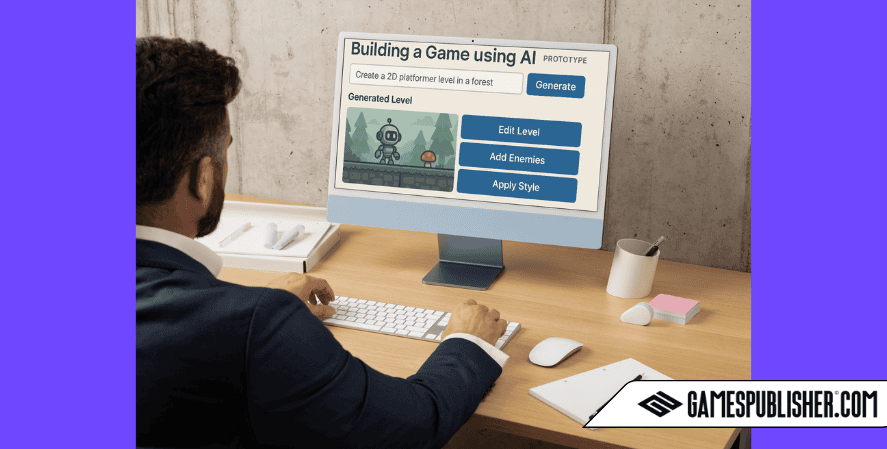
AI can help developers create a playable prototype before investing in full game production.
Here is a simple workflow:
- Define the main game idea and gameplay mechanics.
- Use AI to explore level designs and character concepts.
- Generate temporary artwork and sound effects.
- Create basic game logic with an AI coding assistant.
- Test the prototype and fix gameplay issues.
- Gather feedback from real players.
For example, a developer could use Scenario to create character art and Unity AI to assist with basic game scripts.
Once the core gameplay works, the developer can build a minimum viable product (MVP) and share it with early testers.
This approach helps teams identify problems before spending more time and money on development.
How to Make Games with AI for Narrative and Dialogue Generation
Using AI for Dynamic Storytelling
Many gamers love story-rich games. By 2025, AI tools are speeding up narrative design and making it more interactive. For instance:
- Inworld.ai: Creates smart characters with memory, emotions, and personality.
- Charisma.ai: Builds branching stories where the player’s choices truly matter.
- NovelAI: Helps writers come up with lore, quests, or dialogue quickly.
These tools save time while keeping your game’s story deep and exciting. So if writing is not your strong suit, AI can help you bring your vision to life.
Integrating AI-Generated Dialogue into Game Engines
Once your dialogue is ready, it needs to be part of the game. Most engines support this easily. Here’s how:
- Unity: Use plugins or APIs to connect to Inworld or Charisma.ai.
- Unreal Engine: Use Blueprints or custom nodes to trigger dialogue.
- Web games: Integrate AI scripts using JavaScript or Python for text-based or visual novels.
Thanks to these tools, even smaller games can have lifelike characters and conversations.
How to Make Games with AI-Generated Art and Assets
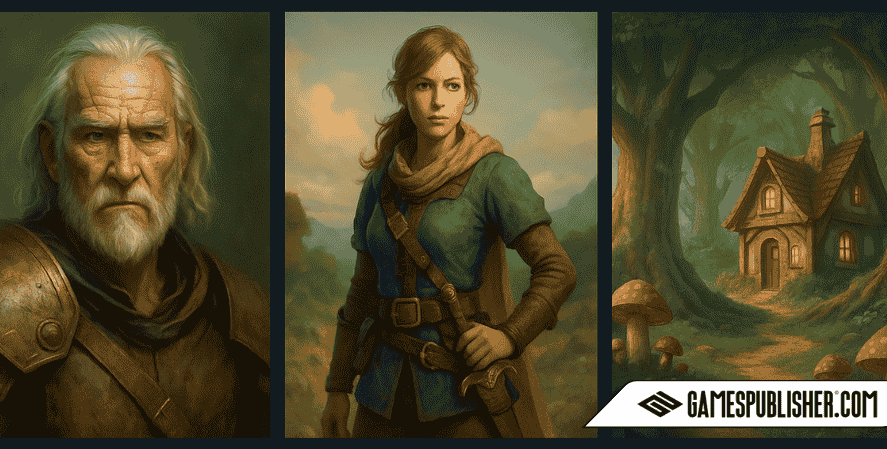
Creating Game Art with Generative AI
One of the hardest parts of how to make game assets is creating high-quality visuals. That’s where AI comes in. Here are some tools artists use in 2025:
- Midjourney: Great for concept art and unique visual styles.
- Leonardo.ai: Perfect for sprites, icons, and other in-game visuals.
- RunwayML: Builds 3D assets and background videos with ease.
You can describe what you want, and the AI gives you options to use, edit, or customize. This saves hours of work and allows more creativity during development.
Legal and Ethical Considerations in Using AI Art
Using AI art also comes with responsibility. Here’s what you need to know:
- Check licenses: Not all AI platforms let you use art in commercial games.
- Know the source: Some tools train on copyrighted work. Be careful to avoid IP issues.
- Be original: Don’t copy-and-paste AI results. Instead, use them as a starting point for your own unique creations.
With the expansion of the gaming world, regulations are also evolving. Make sure you build games that are both creative and legal.
How to Make Games with AI in Game Logic and Enemy Behavior
Smart NPCs and Enemy AI using Machine Learning

AI is great at making smarter enemies. In 2025, games use machine learning to:
- Adjust enemy behavior based on how you play
- Let NPCs learn and respond like real players
- Create team tactics and smarter reactions
Tools like Unity’s ML-Agents make it easy to train these models. As a result, your game can offer more challenge and more fun.
AI for Procedural Level and Content Generation
Games that generate content automatically are more replayable. AI helps with:
- Random level design in games like Minecraft
- Changing environments like in No Man’s Sky
- New dungeons or challenges every time you play
This means players stay engaged longer, which is great for retention and monetization.
How to Make Games with AI for Mobile and App-Based Experiences
Mobile AI Integration Tools for App Developers
Want to build a mobile game? AI makes that easier, too. Here are some mobile-ready tools:
- PlayableAI: Adds smarter NPCs and better gameplay tracking.
- Convai: Powers realistic conversations in mobile apps or games.
- Google Vertex AI: Adds powerful machine learning to Android-based apps.
Because of these tools, mobile games are becoming more advanced, even with smaller teams.
Monetizing AI-Enhanced Apps
AI also helps you earn more from your games. For example, you can:
- Show ads based on user behavior
- Offer personalized in-app purchases
- Run smarter A/B tests for features and pricing
These tools help you build games that not only play well but also perform well in the app stores.
Future Trends – Where AI is Heading in Game Development
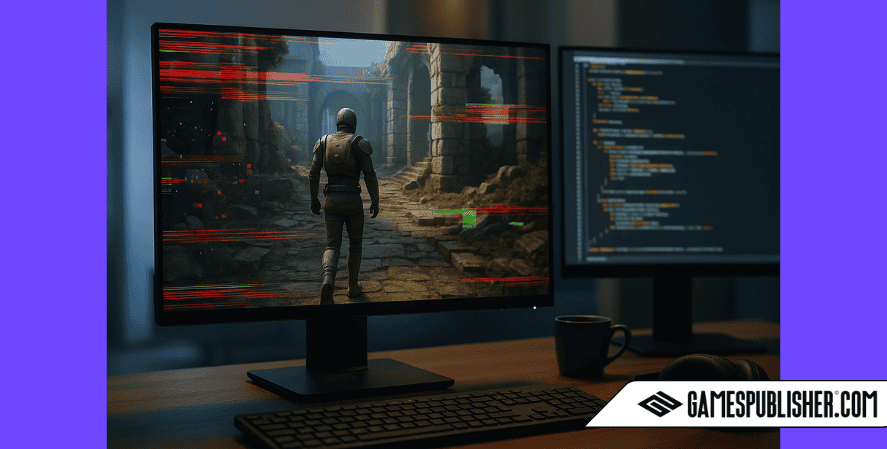
AI-Powered Game Testing and QA
Testing takes time, but AI helps speed things up. Tools now:
- Playtest your game for bugs
- Detect glitches and crashes
- Suggest balance changes and design fixes
Using these AI tools lets you release smoother, better-quality games.
Predictive Analytics and Player Modeling
Once your game is live, you need to understand your players. AI helps by:
- Tracking user behavior
- Predicting who might stop playing
- Making content updates that keep players engaged
These insights are powerful tools for improving both gameplay and revenue.
Conclusion
Now more than ever, knowing how to make games with AI is a must. From building art and levels to writing dialogue and testing gameplay, AI gives you the tools to do more with less. Whether you’re learning how to make a game for fun, for profit, or for a studio, AI can be your co-creator.
AI isn’t meant to take over your creativity—it’s designed to enhance and support it. With AI, your game can be smarter, faster, and more fun to build. Platforms like Gamespublisher.com will help you stay updated on the best tools, tech, and strategies for the future of gaming.
So, what will you create next?
Loading survey...