
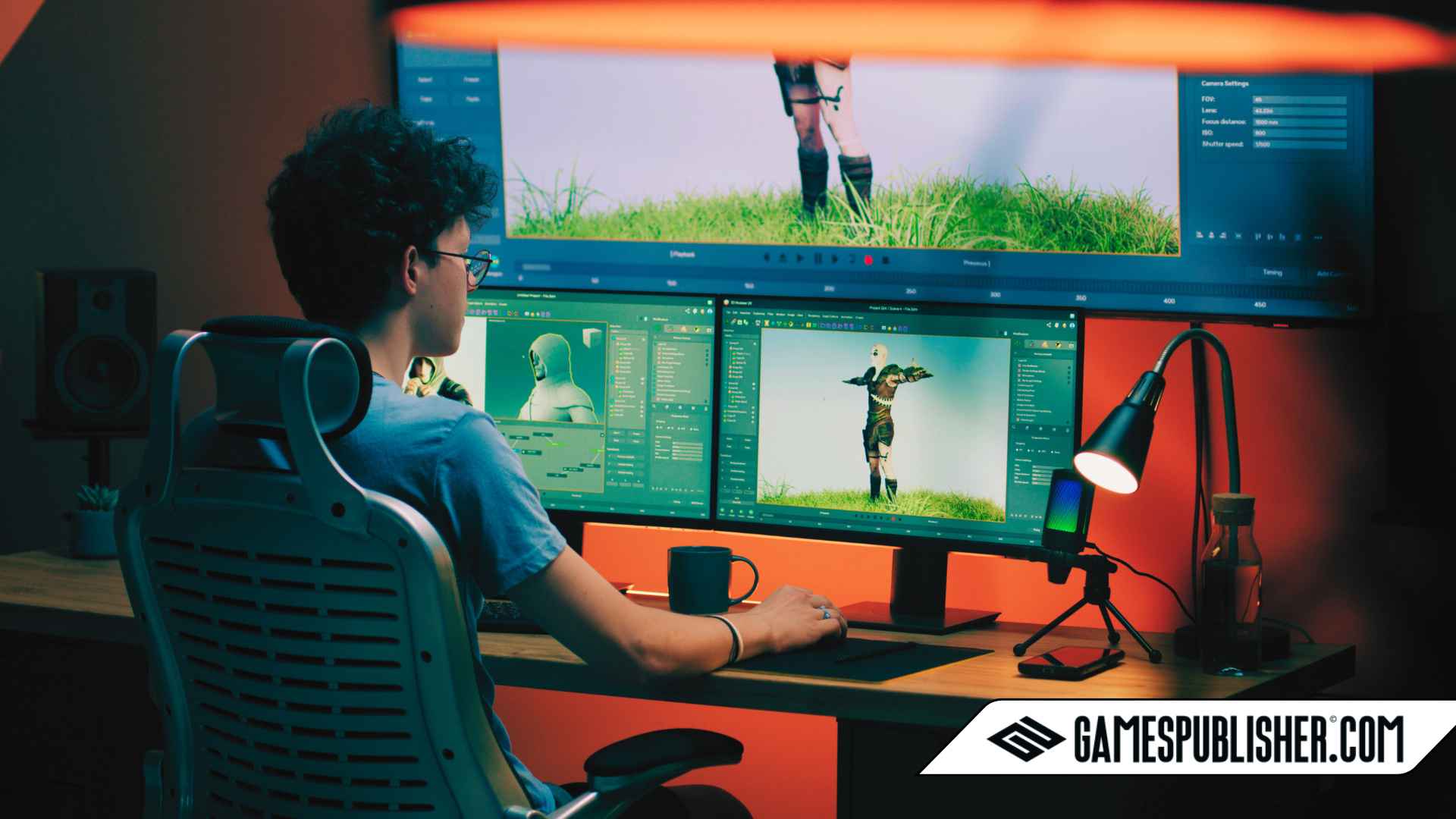
Game Development Roadmap is one of the most important things to understand if you want to succeed in today’s fast-moving gaming world. But where do you even start, and how do you move from learning basics to actually releasing a game?
The truth is, the gaming industry has changed a lot in recent years. Tools are more powerful, competition is higher, and players expect better quality. Because of this, having a clear roadmap for game development is no longer optional. It is necessary.
Whether you are just starting out or already working as a game developer, a structured plan helps you stay focused. It shows you what to learn, what tools to use, and how to move forward step by step. It also helps you understand how the video game industry works, including how game publishing and distribution happen.
Many developers today also rely on platforms like Gamespublisher.com. These platforms connect game developers with game publishers and help them understand how to bring their games to market.
In this guide, you will learn a complete and simple path. It will help beginners and experienced creators grow in game development without feeling lost.
Game Development Roadmap 2026 Overview
The Game Development Roadmap in 2026 is very different from what it used to be. In the past, you needed large teams and big budgets. Now, even a solo developer video games project can succeed with the right tools.

At the same time, the expectations are higher. Players want smooth performance across devices, strong visuals, and regular updates. Because of this, developers must learn more than just coding.
Today, game development is a mix of creativity, technical skill, and strategy. You need to understand design, user experience, and even marketing.
Game Development Roadmap Key Trends in 2026
Let’s look at what is shaping the video game industry right now.
First, AI-assisted development is growing fast. Many tools can now help write code, generate assets, and even test gameplay. This saves time and helps small teams work faster.
Next, procedural generation is becoming more common. Instead of designing everything by hand, developers can create systems that generate levels or content automatically.
Another big change is cross-platform development. Games are no longer built for just one system. Instead, they are designed to run on multiple gaming platforms like PC, console, and mobile.
Also, live-service games are becoming the standard. Rather than releasing a game once, developers keep updating it with new content. This helps keep players engaged over time.
Because of these trends, the roadmap for game development must be flexible and forward-looking.
Game Development Roadmap Skills You Need
Now, let’s talk about the skills you need to become a game developer.
First of all, programming is still a core skill. Languages like C#, C++, and Python are widely used. However, coding alone is not enough.
You also need to understand game design. This includes how mechanics work, how players think, and how to balance difficulty.
In addition, UI and UX design are very important. Players expect games to be easy to use and enjoyable from the first moment.
Another key area is monetization. You need to understand how games make money. This includes ads, in-app purchases, and premium pricing.
So, when people ask what is a game developer, the answer is simple. It is someone who combines technical skill, creativity, and problem-solving to build interactive experiences.
Game Development Roadmap Step-by-Step Guide
Now that you understand the basics, let’s go through a clear step-by-step plan. This section works as a game development roadmap for beginners, but it is also useful for those who want to improve.
Step 1 – Learn the Basics
At the start, focus on simple concepts.
Learn how programming works. Understand variables, loops, and conditions. These are the building blocks of all games.
Then, learn about game loops. This is how a game keeps running and updating.
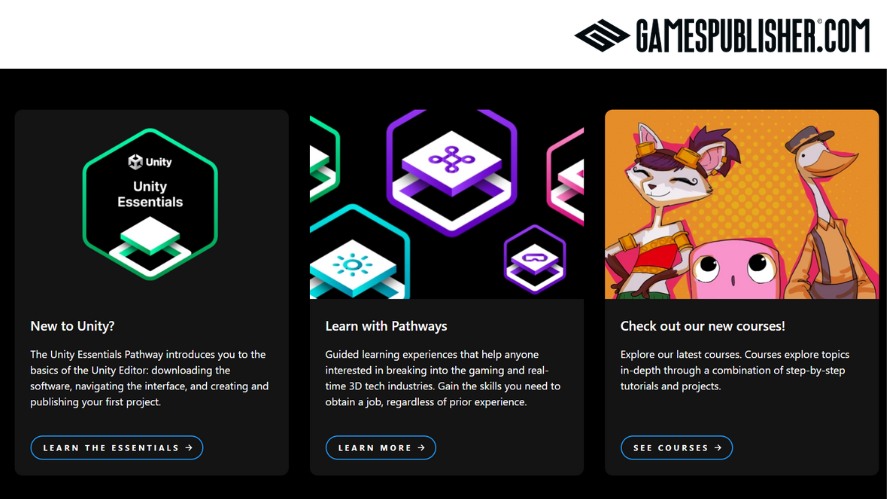
After that, choose a game engine. Unity is a popular choice for beginners. Unreal Engine is great for high-quality graphics. Godot is simple and lightweight.
At this stage, do not rush. Take your time to understand the basics clearly.
Step 2 – Build Small Projects
Once you know the basics, start building small games.
For example, create a simple 2D platformer or puzzle game. You can also try copying simple games to learn how they work.
This step is very important. It helps you turn theory into practice.
Also, do not worry about making something perfect. The goal is to learn. Each project will teach you something new about game development.
Step 3 – Master Tools and Engines
Next, focus on improving your skills with tools.
Learn your game engine in depth. Understand how to use its features properly.
At the same time, explore tools like Blender for 3D models and Photoshop for textures. These tools help you create your own assets.

You should also learn version control systems like Git. This is especially useful when working with teams.
As you improve, you will start to feel more confident as a game developer.
Step 4 – Create a Portfolio
After building a few projects, it is time to create a portfolio.
This is very important if you want to work in the video game industry or attract game publishers.
Your portfolio should include:
- Playable games
- Screenshots and videos
- Short explanations of your work
You can publish your games on platforms like itch.io or Steam. These are popular video game distribution platform options for indie developers.
A strong portfolio helps you stand out among other game developers.
Step 5 – Monetization and Publishing
Finally, you need to think about making money from your game.
You can choose to stay indie or work with a video game publisher.
If you go indie, you keep full control. However, you also handle marketing and funding yourself.

If you work with game publishers, they help with promotion, funding, and distribution. So, what do game publisher do exactly? They make sure your game reaches the right audience and performs well in the market.
Understanding what is game publisher and how game publishing works is key to success.
You also need to choose a revenue model. This could be ads, in-app purchases, or a one-time purchase.
Game Development Roadmap Tools and Resources
As you move forward, using the right tools can make your work much easier. In fact, many successful game developers rely on a strong set of tools to speed up development and improve quality.
Let’s break them down into simple categories.
Game Engines These are the core tools used to build games:
- Unity
- Unreal Engine
- Godot
Each engine supports different types of projects and gaming platforms. So, choose one based on your goals and skill level.
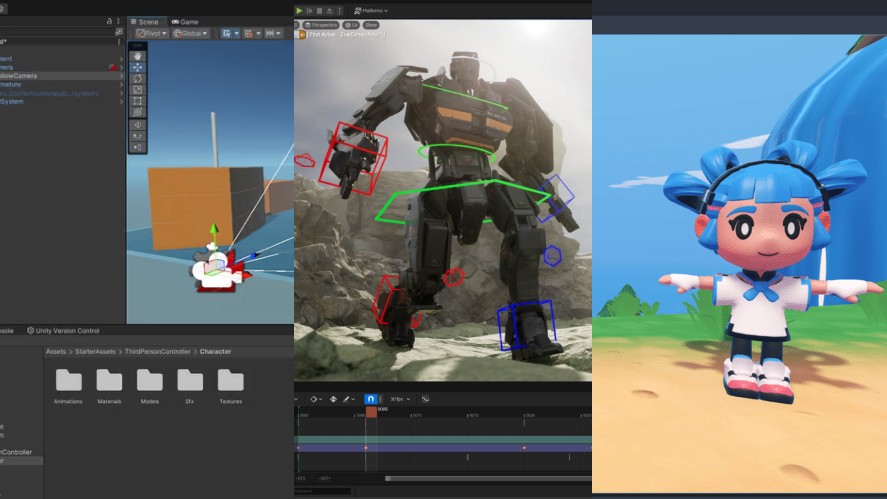
Art and Animation Tools Visuals are a big part of any game. For this reason, you should learn tools like:
- Blender for 3D modeling
- Photoshop for textures and UI
- Spine for 2D animation
Audio Tools Sound also plays a key role in player experience. You can use:
Collaboration Platforms If you work with others, these tools are very helpful:
All these tools support modern game development and help teams stay organized.
Game Development Roadmap Best Engines in 2026
Choosing the right engine is an important step in your journey. So, let’s compare the most popular options.
Unity Unity is widely used in the gaming industry. It is beginner-friendly and works well for mobile and indie games. It also has a large community, which makes learning easier.
Unreal Engine Unreal Engine is known for high-quality graphics. It is often used in AAA games. It also offers visual scripting, which helps reduce coding work.
Godot Godot is open-source and simple to use. It is a great choice for beginners and small projects. Also, it is growing quickly in popularity.
Each engine has its strengths. So, your choice depends on your goals in game development.
Career Paths in the Gaming Industry
There are many ways to build a career in the video game industry. So, it is important to choose a path that fits your interests and skills.
Indie Developer Indie developers work on their own or in small teams. They have full creative control. However, they also handle marketing and funding.
AAA Studio Roles Large studios offer more stable jobs. Roles are more specialized, such as programmer, artist, or designer. This path is common for those who want to focus on one skill.
Freelancing Freelancers work on different projects for clients. This path offers flexibility. However, income can vary.
Game Publishing Another path is working in game publishing. This involves helping developers release and promote their games. Many game publishers work closely with developers to bring games to market.
Game Development Roadmap Indie vs AAA
It is also helpful to understand the defference between developers in indie and AAA environments.
Indie Development
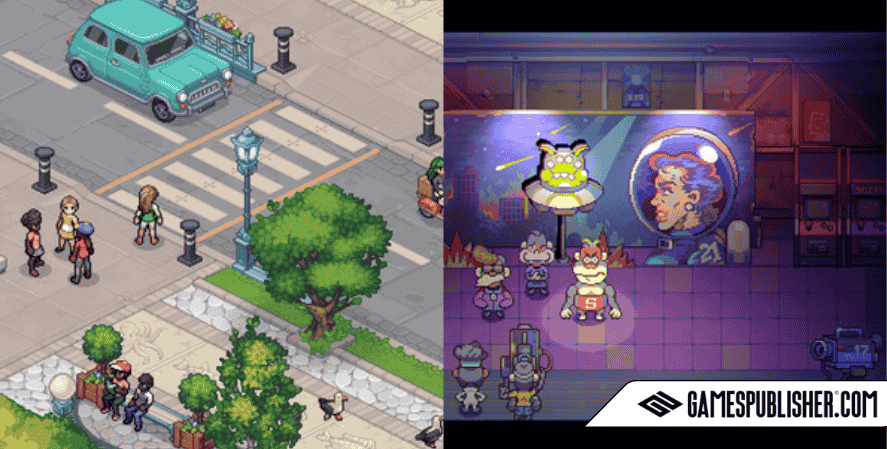
- Small teams or solo work
- More creative freedom
- Limited budget
AAA Development

- Large teams
- Bigger budgets
- More structured roles
Both paths are valuable. Your choice depends on how you want to work in the gaming industry.
Common Mistakes to Avoid in Game Development
Even skilled game developers can run into problems. So, knowing what to avoid can save you time and effort.
Starting too big Many beginners try to build large games too early. Instead, start small and grow step by step.
Ignoring player feedback Players can give useful insights. So, always listen and improve your game.
Poor scope management Adding too many features can delay your project. Keep your goals clear and realistic.
No marketing plan Even great games can fail without visibility. So, learn basic game publishing and promotion strategies early.
Future of Game Development
The future of game development looks very exciting. At the same time, it will continue to change quickly.
VR and AR growth More games are using virtual and augmented reality. These technologies offer new ways to experience gaming.
AI-generated content AI will continue to help developers create assets, levels, and stories faster.
Blockchain and Web3 Some developers are exploring new ownership models. However, this area is still evolving and debated.
Cloud-based development Teams can now work from anywhere. Cloud tools make collaboration easier and faster.
Also, the role of the video game distribution platform will keep growing. These platforms help connect games with players across different gaming platforms.
FAQs
A game developer is a person who designs, builds, and maintains video games using programming, design, and creative skills.
Game publishers handle marketing, funding, distribution, and promotion of games to reach a wider audience.
It can take a few months to learn basics, but mastering game development may take years of practice.
Unity and Godot are great choices for beginners due to ease of use and strong community support.
Conclusion
Following a clear Game Development Roadmap in 2026 can make a big difference in your journey. Without a plan, it is easy to feel lost. However, with the right steps, you can move forward with confidence.
From learning the basics to building projects and understanding game publishing, each stage plays an important role. Whether you want to become a game developer, work with a video game publisher, or explore the wider video game industry, the key is to keep learning and improving.
The gaming world is full of opportunities. So, stay consistent, build regularly, and keep adapting to new trends.
Platforms like Gamespublisher.com can also help you stay updated and connect with others in the gaming industry.
Loading survey...