
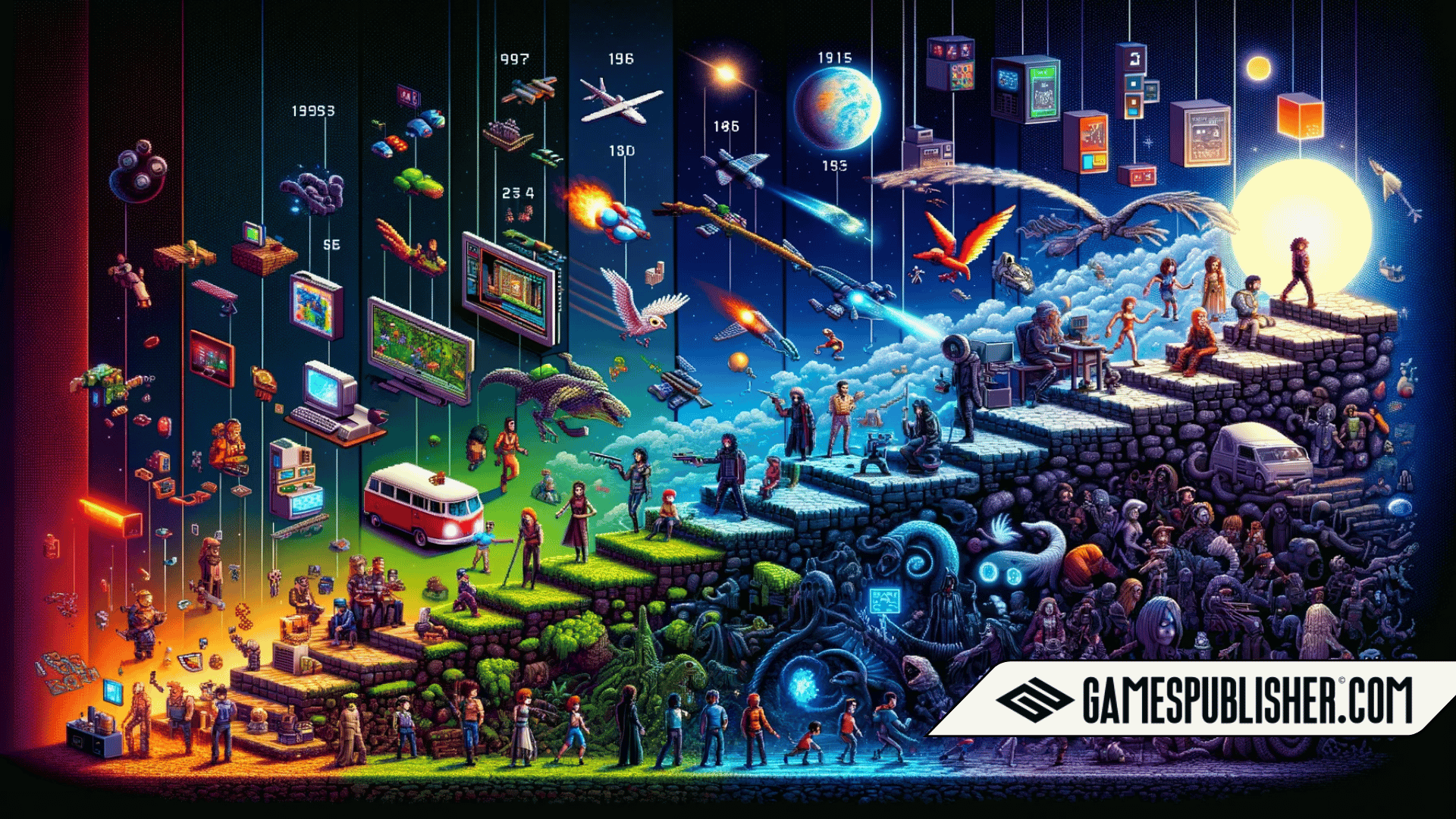
The Evolution of Indie Gaming shows how independent developers changed the video game industry through creativity, risk-taking, and fresh ideas. Unlike large studios, indie developers often work with smaller teams and limited budgets. However, they continue to create games with unique stories, bold art styles, and memorable gameplay.
Over the years, indie gaming has grown from a small creative movement into a major part of the gaming world. As a result, independent games now influence design trends, player expectations, and even mainstream game development. This shift proves that innovation does not always need a massive budget. Sometimes, it starts with a small team and a strong idea.
Why the Evolution of Indie Gaming Matters
Understanding the Evolution of Indie Gaming is important for developers, publishers, and players. It shows how smaller teams can influence market trends, creative design, and gaming culture. More importantly, it helps explain why indie games continue to attract loyal communities.
For developers, indie gaming offers a clear lesson: original ideas can still stand out. For publishers, it highlights the value of supporting creative projects. Meanwhile, for players, indie games provide experiences that often feel more personal, experimental, and meaningful.
Historical Overview
Early Beginnings
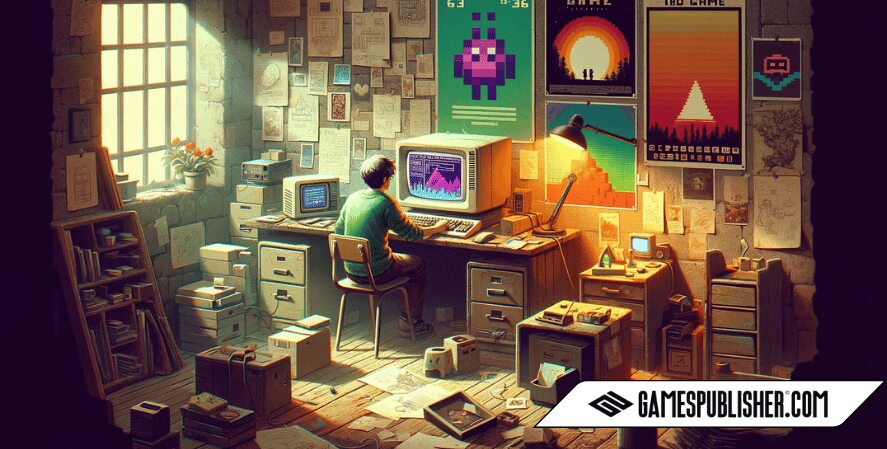
The roots of indie gaming stretch back to a time when developers operated without major publisher backing, forging their own paths through creativity and innovation. Early indie games stood out for their originality and resourcefulness, filling a niche left open by larger game studios.
The emergence of home computers in the 1980s, alongside platforms like Commodore 64 and ZX Spectrum, provided an early foothold for indie developers, allowing them to create and distribute games on a small scale.
Milestones
Indie gaming’s journey has been marked by significant milestones. The release of iconic titles like “Braid,” “Super Meat Boy,” and “Undertale” showcased the power of indie games to captivate audiences and make substantial cultural impacts.
The establishment of indie game festivals and awards, such as the Independent Games Festival and BAFTA Games Awards, has provided recognition for indie developers, highlighting their contributions and celebrating their achievements.
Technological Advancements
Game Development Tools
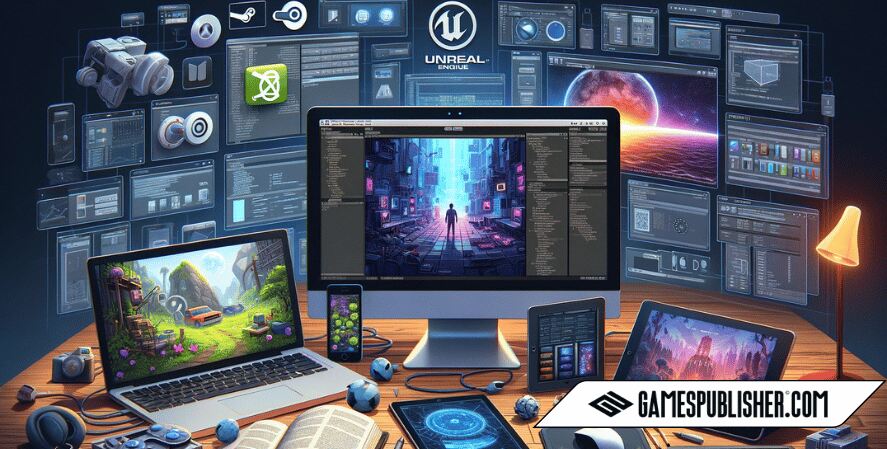
The advent of accessible game development platforms like Unity and Unreal Engine has revolutionized indie game development.
These tools offer intuitive interfaces, extensive documentation, and supportive communities, empowering indie developers to bring their visions to life.
Unity’s cross-platform capabilities and Unreal Engine’s powerful rendering features have enabled indie developers to create games that rival AAA titles in quality and scope.
Digital Distribution
Digital distribution platforms have further accelerated the indie game industry’s growth. Platforms like Steam, itch.io, and the App Store have democratized access to the gaming market, allowing indie developers to distribute their creations directly to players.
Steam’s Greenlight and Early Access programs have also enabled indie games to gain traction before full release, fostering a direct relationship between developers and their audience.
How Indie Games Changed Player Expectations
Indie games changed what many players expect from modern gaming. In the past, players often looked for large worlds, expensive graphics, and familiar franchises. However, indie games proved that emotional storytelling, clever mechanics, and strong art direction can be just as powerful.
Games like Celeste, Undertale, and Hades showed that independent games can create deep connections with players. Because of this, many gamers now look for originality, replay value, and meaningful themes. This shift also encouraged larger studios to take more creative risks.
Cultural Impact
Community Building
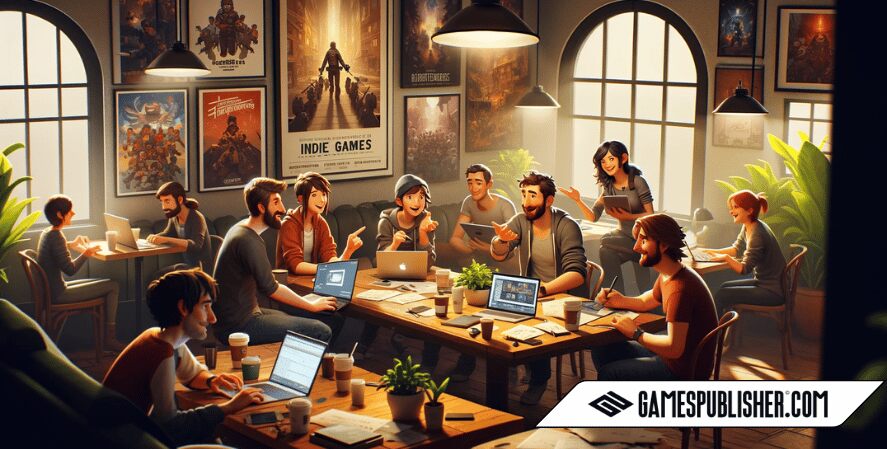
Indie games have fostered a vibrant community of developers and players who value artistic expression and storytelling.
Communities around games like “Celeste” and “Hades” have grown, connecting gamers and creators through shared appreciation for compelling narratives, challenging mechanics, and innovative gameplay.
Indie developers often interact directly with their fanbase, nurturing a supportive ecosystem that thrives on feedback and collaboration.
Diversity and Representation
Indie games have been at the forefront of promoting diversity in game characters and narratives.
Titles like “Gone Home,” “Night in the Woods,” and “Gris” have tackled complex themes, including mental health, identity, and societal issues, enriching gaming’s cultural tapestry.
This diversity has broadened gaming’s appeal, attracting a more inclusive audience and demonstrating the medium’s potential for meaningful storytelling.
The Role of Social Media and Online Communities
Social media has become one of the biggest tools for indie game growth. In the past, many indie developers depended on gaming websites, forums, or festivals to get attention. Today, platforms like YouTube, TikTok, Reddit, Discord, and X help developers reach players much faster.
These platforms allow developers to share trailers, gameplay clips, devlogs, updates, and behind-the-scenes content. As a result, players can follow a game before it launches and feel connected to its development journey.
Online communities also help indie developers collect feedback. For example, players may suggest balance changes, report bugs, or share ideas during early access. This direct communication helps developers improve their games while building trust with their audience.
Because of this, community building is now an important part of indie game development. A strong community can help an indie game gain visibility, increase wishlists, and stay active after release.
How Indie Games Influence AAA Game Design
Indie games have influenced more than small development teams. Over time, they have also shaped how larger studios think about creativity, storytelling, and player engagement. Many indie games became popular because they focused on strong ideas instead of expensive production.
For example, indie games helped popularize emotional storytelling, hand-drawn art styles, roguelike mechanics, cozy gameplay, and experimental game loops. As a result, many AAA studios now pay closer attention to player choice, shorter but meaningful experiences, and unique visual direction.
The Evolution of Indie Gaming also shows that players are open to fresh ideas. Because of this, larger studios often study indie trends to understand what modern players enjoy. This impact proves that indie games are not just an alternative to mainstream games. They are also a source of inspiration for the wider gaming industry.
Economic Influence
Business Models
Indie developers have adopted various business models, from freemium to one-time purchases, influencing industry practices. The flexibility of indie developers has led to creative monetization strategies, such as episodic releases and in-game purchases.
These models have provided sustainable revenue streams, ensuring the survival and success of many indie games, while also shaping how larger publishers approach their business strategies.
Crowdfunding Success
Crowdfunding campaigns have revolutionized the financial landscape for indie developers. Platforms like Kickstarter and Indiegogo have enabled developers to secure funding directly from their audience, reducing reliance on traditional publishers.
Successful campaigns for games like “Shovel Knight” and “Hollow Knight” have demonstrated the potential of crowdfunding, empowering developers to retain creative control and bring their visions to life.
Current Challenges in Indie Game Development
Indie game development offers many opportunities, but it also comes with real challenges. Today, thousands of games compete for attention across Steam, mobile stores, consoles, and social media. As a result, visibility has become one of the biggest problems for indie developers.
Small teams also need to manage marketing, community building, updates, bug fixes, and funding. Therefore, success now requires more than a good game idea. Developers also need a clear launch plan, strong branding, and a way to reach the right audience.
Even so, the future remains promising. With better tools, direct community access, and more publishing options, indie developers still have many ways to grow.
Future Trends
Innovative Trends
The future of indie gaming promises continued innovation. The integration of AI and VR technologies could redefine game experiences, allowing for dynamic storytelling, adaptive gameplay, and immersive worlds.
Indie developers are poised to explore these technologies, crafting unique experiences that push the boundaries of gaming.
Challenges and Opportunities
Indie developers face challenges such as market saturation and stiff competition from AAA titles. However, evolving consumer preferences, including the demand for diverse narratives and innovative gameplay mechanics, offer opportunities for indie developers to thrive.
By staying true to their creative visions and embracing new technologies, indie developers can navigate these challenges and continue to shape the industry.
FAQs About the Evolution of Indie Gaming
The Evolution of Indie Gaming refers to how independent games grew from small developer projects into an important part of the video game industry.
Indie games are important because they bring fresh ideas, unique stories, and creative gameplay that may not always come from larger studios.
Digital platforms helped indie games reach global players without needing traditional retail stores or large publisher support.
Indie developers often face market saturation, limited budgets, marketing problems, and strong competition from larger game studios.
The future of indie gaming will likely include more creative use of AI, VR, community funding, and direct player feedback.
Conclusion
The Evolution of Indie Gaming proves that small teams can create a major impact on the video game industry. From early home computer projects to modern digital platforms, indie games have pushed creativity forward. They have also introduced new stories, fresh mechanics, and more diverse voices into gaming.
Today, indie gaming continues to influence developers, publishers, and players. Although competition is stronger than ever, independent games still have room to grow. With better tools, stronger communities, and new technologies, the future of indie gaming looks exciting.
For anyone who loves creative games, supporting indie developers matters. Whether you play, share, review, or create independent games, your support helps keep this important part of the industry alive.
Loading survey...