
Indie game development is booming, and with it comes an increasing need for clear, reliable information about how indie games get funded.
At Gamespublisher.com, we aim to support independent game developers, small studios, and aspiring creators by breaking down the business side of game making.
Understanding funding for indie games is crucial because it shapes everything: development timelines, team size, marketing strategy, and even how big or how small your game can realistically be.
Whether you’re figuring out how much it costs to develop a video game, wondering what makes a game indie, or researching how to get funding for game development, publisher-backed funding remains one of the most significant pathways to bring an indie project to life.
This article explores all major publisher game development strategies for funding indie games, starting with the most traditional: publisher financing.
Funding for Indie Games Through Traditional Publishers
Traditional publishers have been the backbone of the gaming industry long before the indie scene exploded.
For many teams, partnering with a publisher is the clearest route to securing development capital, accessing marketing resources, and reaching a wider audience.
In this model, the publisher provides funding, sometimes covering the full indie game development cost, in exchange for a share of profits, distribution rights, or sometimes partial ownership of the game’s IP.
What Publishers Look For in an Indie Game
Publishers evaluate projects with the same rigor as any investment decision. They commonly assess:
- Uniqueness & Creative Vision: Unique mechanics, art style, or narrative direction are strong selling points.
- Market Potential: Does the game fit a proven or growing genre? How likely is it to sell based on trends in indie games, game genres, or audience demographics?
- Team Capability: Can the team actually finish the game? Publishers examine experience, game development tools used, and team size.
- Prototype Quality: A playable build usually matters more than a fancy pitch deck.
- Budget Realism: Publishers want a clear, believable game development cost breakdown and timeline.
The Typical Process of Pitching to Publishers
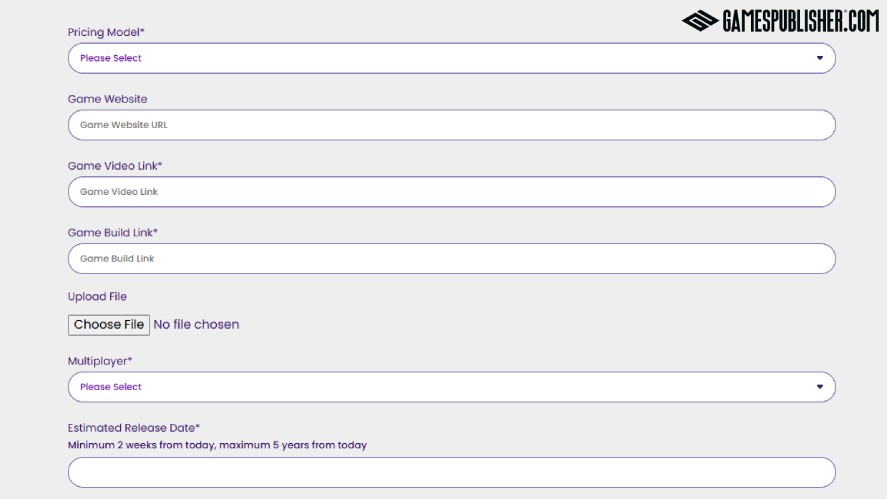
Pitching usually follows a structured flow:
- Prepare Your Materials: A vertical slice, game trailer, GDD, budget, and timeline.
- Research Suitable Publishers: Each publisher specializes in certain genres, budgets, or platforms.
- Send Your Pitch: Through their submission portal or via personal connections at events.
- Follow-up Discussions: Publishers may request additional materials or a deeper look at your build.
- Negotiation: Funding scope, milestone structure, revenue share, marketing responsibilities, and IP terms are discussed.
- Contract Signing: Once approved, production begins under the publisher’s oversight.
Pros and Cons of Traditional Publisher Funding
Pros
- Substantial financial support covering art, dev salaries, marketing, QA, and more
- Access to industry expertise and connections
- Professional marketing, PR, and distribution pipelines
- Reduced financial risk for the developer
Cons
- Loss of some creative freedom
- Revenue sharing reduces long-term profits
- Milestone pressure and deadlines
- Potential loss of IP rights depending on the contract
Traditional publishing is still one of the most reliable avenues for indie game funding, but it requires careful negotiation and realistic expectations.
Key Contract Terms to Watch
When signing with a publisher, indie developers must thoroughly understand several core contract elements:
- Milestone Payments: Funding is split across pre-agreed stages (prototype, alpha, beta, release). Missing deadlines can delay or halt payments.
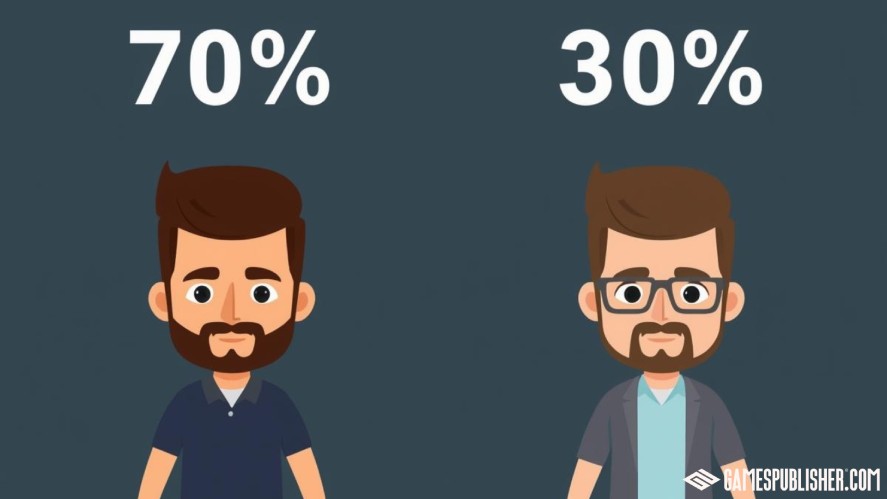
- Revenue Splits: Common splits range from 50/50 to 70/30 in favor of the publisher until recouped costs are met.
- IP Ownership: Some publishers fund your game only if they own the IP. Others allow developers to retain ownership while licensing distribution rights.
- Recoup Terms: Publishers typically recoup all investment before revenue sharing begins for the game creator.
- Marketing & QA Responsibilities: Contracts specify who pays for ads, porting, localization, and other production costs.
Knowing these terms helps indie teams avoid poor deals and confidently navigate the world of game development funding. This ensures they protect the project and their long-term career as an independent game developer.
Read More: What is an Indie Game? Definition, Development, & Top Publishers
Funding for Indie Games via Revenue Share Agreements
Another popular option for indie developers is partnering with publishers through revenue share agreements.
It’s a model where the publisher funds part or all of the game’s development, then recoups their investment from future sales before splitting profits.
This is especially attractive for teams researching how to make an indie game with no experience, as it reduces upfront financial pressure.
How Revenue Share Works
In a revenue share model, the publisher invests money up front. They cover development costs, marketing, QA, localization, or even porting.
In return, they take a percentage of the game’s revenue after launch, often structured like:
- Publisher recoups 100% of their investment first
- After recoup, profits are split (commonly 70/30 or 60/40)
This structure allows indie developers to stay focused on creating the game without worrying about cash flow during development.
Risk for Both Parties
For Developers
- Lower financial risk, but long-term profit may be reduced.
- If sales are lower than expected, it may take longer to receive revenue after recoup.
- Creative control is usually more flexible than with traditional publishing, but still negotiated.
For Publishers
- They only get paid if the game sells.
- Higher risk means publishers must carefully evaluate market potential and team reliability.
Success Stories Where Revenue Share Worked
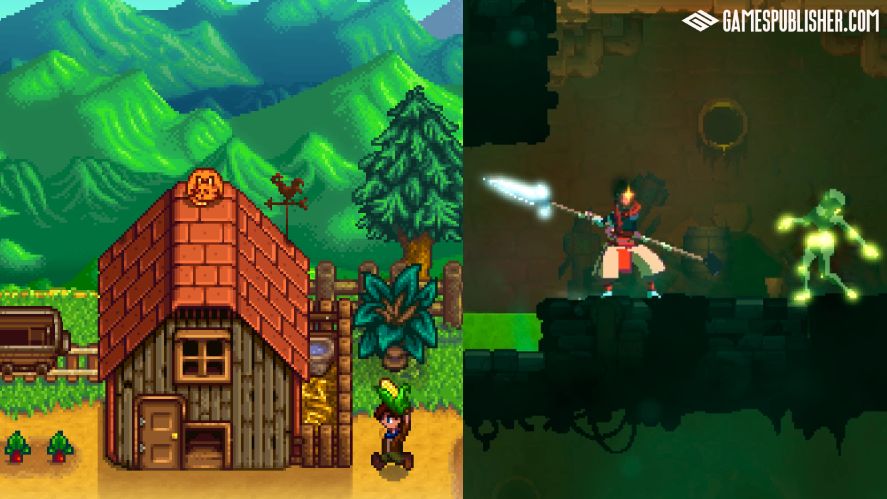
Stardew Valley started with partial publisher support and later moved to self-publishing, demonstrating how shared-risk models can launch successful IP.
On the one hand, Dead Cells partnered with Motion Twin and later Evil Empire on revenue share terms, turning a modest indie into a multimillion-selling franchise.
Many successful Steam titles use variations of this model, allowing developers to scale without sacrificing ownership.
Revenue share funding remains one of the most flexible, indie-friendly funding paths today, especially for small teams deciding how much it costs to make an indie game and how to reduce that burden.
Funding for Indie Games from Platform-Specific Publisher Programs
Major gaming platforms like Xbox, PlayStation, Nintendo, and Epic Games now run publisher-style funding programs designed specifically for indie developers.
These programs provide a blend of financial support, technical help, marketing boosts, and access to exclusive tools.
Some of the largest programs include:
- ID@Xbox (Microsoft)
- PlayStation Indies (Sony)
- Epic MegaGrants (Epic Games)
- Nintendo Developer Portal (less direct funding, more support tools)
- Steam Fund-like initiatives (varies via festivals and promotions)

These programs have become essential for teams learning how to get into indie game development because they lower barriers, offer clear onboarding, and sometimes cover critical development costs like porting or certification.
What Support Is Included?
Depending on the platform, indie game makers may receive:
- Direct funding (grants or advances)
- Marketing support (homepage features, social boosts, showcases)
- Technical assistance (porting help, dev kits, engine optimization)
- Production resources (QA testing, localization support)
- Distribution advantages (priority placement, event access)
For indie teams working with limited budgets, this support offsets major expenses like marketing, art, or porting. These are the factors that heavily influence the indie game development cost.
How to Apply and Qualify
Though each program differs, the general process includes:
- Registering as a developer on the platform.
- Submitting a pitch with a playable build, GDD, budget, and timeline.
- Demonstrating market potential: genre fit, uniqueness, team capability.
- Meeting technical requirements (engine compatibility, platform policies).
- Signing agreements outlining responsibilities and revenue terms.
These programs are competitive, but much easier to access than traditional publishing deals, especially for developers learning how to become an indie developer or releasing their first commercial game.
Case Studies from Platform Programs
Here are real examples of indie games that benefited from platform-backed support:
- Cuphead (ID@Xbox): Received early support and platform partnership, helping it gain massive exposure despite its small team.
- Inside (ID@Xbox): Leveraged Xbox’s program to scale development and reach global audiences.
- Kena: Bridge of Spirits (PlayStation Indies): Sony’s support amplified marketing and boosted its launch visibility.
- Core & Unreal Projects (Epic MegaGrants): Many Unreal Engine indies received significant grants, enabling better graphics, larger teams, and polished launches.
- Hollow Knight (multiple platform support): While not fully funded by a program, its visibility through Nintendo and Steam events skyrocketed its success.

These programs act as hybrid publishers. They offer substantial help without requiring full IP or revenue control, making them ideal for indie developers looking to reduce game dev costs while reaching a global audience.
Milestone-Based Funding for Indie Games
One of the most common publisher strategies for managing indie game development costs is milestone-based funding. In this structure, developers receive funds in phases as they complete specific deliverables.
This approach protects both parties: publishers can control financial risk, and developers get predictable cash flow throughout production.
Definition and Examples of Milestone-Based Funding
Milestone-based funding breaks a project into clear stages, each tied to a payment. Typical milestones include:
- Prototype or Vertical Slice: proving the core gameplay loop
- Alpha Build: all major systems implemented
- Beta Build: content complete, polishing begins
- Gold Master: launch-ready version
For example, a $200,000 indie game budget might be divided into:
- 20% at prototype
- 25% at alpha
- 25% at beta
- 30% at gold
This provides structure and reduces risk for teams still learning how much it costs to develop an indie game or planning a detailed game development cost breakdown.
Read More: How Long Does It Take to Make a Video Game?
How to Plan Development Around These Stages
Indie teams should:
- Define realistic scopes before signing a contract
- Break tasks into measurable deliverables aligned with milestones
- Keep thorough documentation (GDD, TDD, art bibles)
- Use project management tools like Trello, ClickUp, or Jira

Planning tightly around milestones helps avoid scope creep, production delays, and payment gaps that jeopardize development.
This is especially important for small teams figuring out how long it takes to make an indie game, since miscalculations can derail schedules quickly.
Importance of Delivering on Time
Milestone delays can stall payments, damage publisher trust, result in lost marketing windows, and trigger contract penalties.
For indie developers operating on lean budgets, late delivery can be devastating. Staying on schedule is not just good practice; it’s survival.
Crowdfunding and Publisher Partnerships
Crowdfunding platforms like Kickstarter, Indiegogo, and Fig introduced a new era of indie game funding, allowing developers to raise money directly from players.
But many developers now combine crowdfunding with publisher partnerships, creating hybrid funding models that maximize both creative freedom and professional support.
Why Publishers May Still Fund Crowdfunded Games
Even if a project raises money from the community, publishers may still step in because:
- Crowdfunds rarely cover full production, as most campaigns only fund 20–40% of the true indie game development cost.
- A successful campaign proves market demand, reducing publisher risk.
- Publishers can provide marketing, QA, localization, porting, and other essential services that backers cannot.
- Crowdfunding hype creates momentum that publishers can amplify.
For developers, this hybrid approach solves a key problem: how to make an indie game with no experience while still accessing professional publishing support.
Examples of Hybrid Funding Strategies
Well-known examples include:
- Bloodstained: Ritual of the Night: Crowdfunded first, later supported by a publisher to finish development.
- Wasteland 3: Crowdfunded, then partnered with Deep Silver for additional funding and global distribution for games.
- The Banner Saga: Kickstarter success followed by publisher involvement for sequels and ports.

Hybrid models are increasingly common for teams that want to validate demand early while still benefiting from publisher-level funding later.
Risks and Benefits of Funding For Indie Games
Benefits
- Lower reliance on a single funding source
- Early community building
- Ability to negotiate better publisher deals after demonstrating demand
- Increased creative freedom
Risks
- Managing backer expectations can be challenging
- Publishers may still require milestone commitments or revenue share
- Budget miscalculations can force teams to renegotiate or delay delivery
- Negative perception if crowdfunding money is used poorly
For many indie teams, combining crowdfunding with publisher support provides the best balance between creative control, financial stability, and production quality.
Funding for Indie Games Using Marketing Support Deals
Not all publishers invest directly in development, and that’s where marketing-focused deals come in.
These publishing partners specialize in boosting visibility, handling QA, and managing distribution pipelines, making them a strong option for teams that already have a polished build but lack the reach to bring it to market.
How This Model Works
In a marketing-support funding model, the publisher covers essential publishing services instead of core development costs. These services often include:
- Marketing campaigns (paid ads, influencer outreach, PR)
- Store page optimization and platform negotiations
- Localization and quality assurance
- Distribution, launch strategy, and community management
In exchange, the publisher takes a percentage of the game’s revenue, generally lower than full-funding deals because they’re not funding production.
The developer maintains creative control but gains access to the publisher’s marketing machine.
When It’s a Better Fit Than Full Funding
This model works best when:
- You already have a near-complete game with strong internal funding
- Your team is confident in developmen but weak in marketing or platform relationships
- You want to retain more ownership and avoid milestone obligations
- You want to scale your launch without giving up IP or large revenue shares
For visually polished indie games or titles from experienced teams, this approach can provide the push needed to secure wishlists, platform features, and launch momentum.
Publisher Expectations
Even without full funding, publishers expect:
- A playable build and strong visual identity
- Clear development timelines (even if they aren’t paying for production)
- Professional communication and marketing-ready assets
- Willingness to adapt launch strategy based on publisher expertise
Publishers offering marketing support choose titles they can sell, not just games that look cool. So, marketability, niche clarity, and audience fit matter a lot here.
How to Pitch for Funding for Indie Games
Securing a publisher often starts with a strong pitch. Whether you’re aiming for full funding, marketing support, or a revenue-share deal, the pitch is your most important tool.
What Materials to Prepare
A polished pitch usually includes these essentials:
- Playable Prototype or Vertical Slice: Non-negotiable for most publishers
- Game Design Document (GDD): Summarize vision, mechanics, and differentiators
- Budget Breakdown: Show exactly how funds will be used
- Production Timeline: Include milestones, contingency plans, and workload estimates
- Business Plan: Outline target audience, platforms, monetization model, and marketing approach
- Team Overview: Highlight past experience, strengths, and shipped projects
The goal isn’t to overwhelm with documents; it’s to demonstrate that you’re organized, realistic, and capable of finishing the game.
How to Research Potential Publishers
A mistake many indie developers make is sending the same pitch to every publisher. Instead, identify publishers who specialize in your genre or visual style.
Look at their previous releases to see if they match your audience. And most importantly, study their funding models and check developer testimonials for red flags.
Lastly, follow the publisher on Discord, Twitter, and LinkedIn to understand their culture. When your pitch aligns with a publisher’s catalog and values, your chances rise dramatically.
Mistakes to Avoid When Pitching
Common pitfalls include:
- Pitching too early before the game is playable
- Giving unclear budgets or overpromising features
- Emailing generic pitches without personalization
- Failing to explain the game’s marketability or target audience
- Ignoring feedback or acting defensive during Q&A
Publishers want partners, not just games. So, professionalism matters.
Building Publisher Relationships Early
Success rarely comes from a single pitch; it comes from ongoing relationships. Indie developers benefit enormously from being visible and active in industry circles.
Here are ways to build relationships:
- Attend events like GDC, Gamescom, PAX, Tokyo Game Show, and smaller regional expos
- Participate in online indie game communities (TIGSource, Reddit r/gamedev, Discord servers)
- Enter pitching contests and digital showcases (Steam Next Fest, The MIX, Guerrilla Collective)
- Share devlogs and updates on social media to stay on publishers’ radar
- Build genuine connections rather than transactional “please fund me” interactions
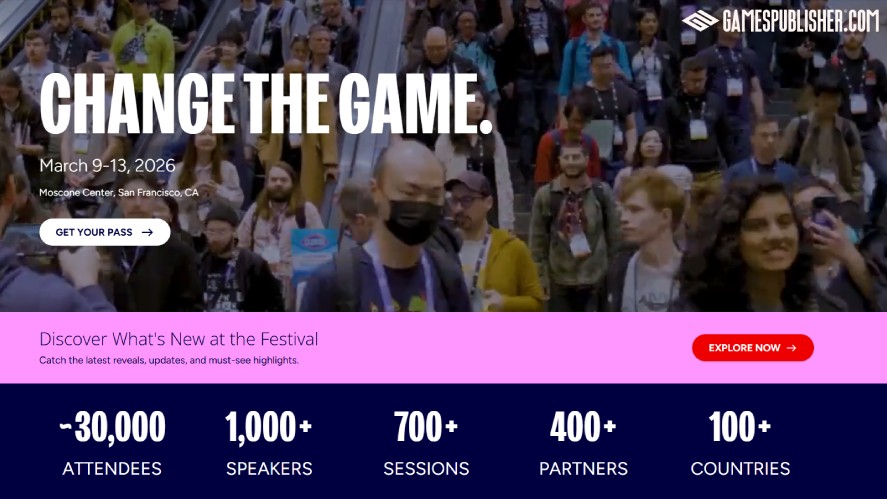
Publishers remember developers who are passionate, professional, and consistent, even long before a pitch is sent.
What Indie Developers Should Know Before Accepting Publisher Funding
Publisher funding can be a powerful accelerator, but it also comes with trade-offs that every indie team should consider carefully.
Understanding these potential downsides helps developers choose deals that align with their goals.
Creative Control Issues
Once you accept funding, publishers often have a say in game direction, scope, feature priorities, art style, and release timing.
While many publishers are supportive collaborators, others may push for changes that align with trends or market analytics rather than your creative vision.
Make sure contract terms clearly outline who has final say in creative decisions, especially on core features and marketing materials.
Scope Creep or Deadline Pressure
Publisher expectations can unintentionally lead to:
- A larger game than the team originally planned
- Added features to increase marketability
- Tight deadlines that strain small teams
- Crunch periods to hit milestone deliverables
Milestone-based structures can keep projects on track, but they can also create pressure if timelines are unrealistic or if the publisher requests revisions.
Indie teams must confidently set boundaries and negotiate timelines that match their capacity.
Long-Term Revenue Impact
Publisher deals, especially full-funding agreements, can affect long-term earnings.
The revenue splits can range widely, sometimes heavily favoring the publisher. Also, recoup clauses mean developers may not see profits for months or years.
Marketing or distribution fees may come out of the developer’s share. And lastly, some agreements impact future sequels or franchise potential.
Before signing, teams should project revenue scenarios based on best-case and realistic sales numbers. The goal is to understand not just what the publisher provides, but what the developer gives up.
Conclusion
Funding for indie games has never been more diverse or more accessible.
From traditional publishers and platform programs to revenue-share deals, marketing-support partnerships, and hybrid crowdfunding models, indie developers now have a wide range of paths to bring their games to life.
Each option comes with its own strengths and disadvantages. The right choice depends on your team’s vision, budget, skill set, and long-term goals.
As the industry evolves, publishers are becoming more flexible, and indie developers are gaining more leverage.
By understanding how funding models work and preparing strong pitches, teams can secure partnerships that amplify their creativity rather than restrict it.
Above all, making smart decisions about funding can define a game’s scope, timeline, visibility, and ultimate success.
Stay proactive, stay educated, and choose the publishing path that empowers your indie game to reach its full potential!
Loading survey...