
Updated for 2026: Social Media for Game Publishing is no longer just about posting trailers and launch announcements. Today, it plays a major role in discovery, community building, player feedback, influencer partnerships, and long-term game visibility.
As more players discover games through YouTube, TikTok, Facebook, X, Discord, and livestream content, developers and publishers need a stronger social media strategy. Instead of relying only on traditional ads, game publishers can now build hype, test messaging, answer player questions, and create loyal communities before and after launch.
Because of this shift, social media has become one of the most important tools in modern game publishing. It helps studios reach potential players, keep current fans engaged, and turn community interest into long-term support.
Why Social Media for Game Publishing Matters in 2026
Social media for game publishing matters more in 2026 because players now expect direct communication from developers and publishers. Instead of waiting for press releases, many players look for updates through short videos, livestreams, creator reactions, community posts, and comment sections.
In addition, social platforms help smaller studios compete with larger publishers. A strong gameplay clip, developer update, or creator collaboration can reach thousands of players even without a massive advertising budget. As a result, indie developers can build awareness earlier and create momentum before launch.
Furthermore, platforms like TikTok and YouTube have become powerful discovery channels for gaming content. TikTok’s own gaming marketing page highlights its large gaming audience and gaming-related content activity, while YouTube continues to be a key platform for trailers, livestreams, and creator-led discovery.
For game publishers, this means social media should not be treated as an afterthought. Instead, it should be part of the full publishing plan, from pre-launch awareness to post-launch community support.
The Evolution of Game Marketing
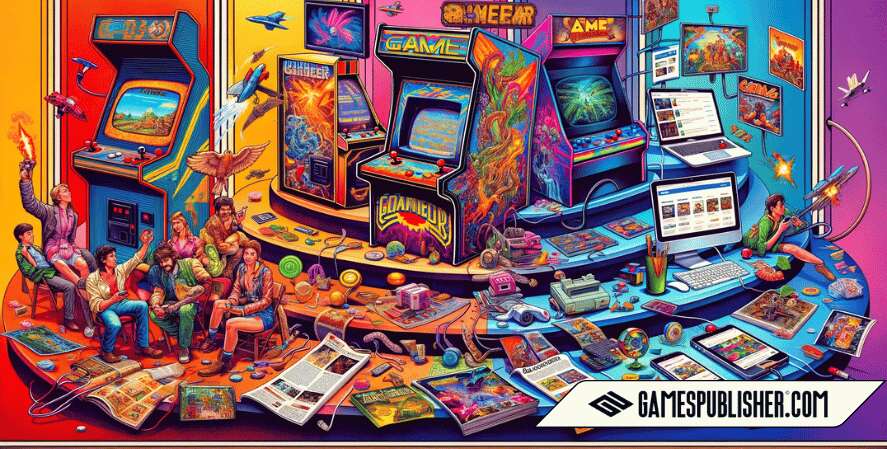
Historically, game marketing relied heavily on traditional media such as print advertisements, television commercials, and physical promotional events. However, with the rise of digital platforms, there has been a significant shift toward online and social media marketing strategies.
Consequently, developers and publishers now emphasize digital content, which can further engage the audience more directly and therefore enhance promotional efforts.
However, the digital revolution has notably shifted the focus towards online platforms, and as a result, social media has emerged as a pivotal channel for promoting video games.
Platforms like YouTube, Facebook, X, and TikTok have become central to the marketing strategies of video game publishers.
These platforms allow for direct interaction with gamers, thereby providing a means to not only promote games but also, importantly, to gauge player reactions and feedback in real-time. Consequently, this interaction enhances the gaming experience and fosters a closer community.
Best Social Media Platforms for Game Publishing
YouTube
YouTube plays a critical role in game marketing through its live streaming services and its dedicated gaming section, YouTube Gaming Live.
This platform enables publishers to engage with a diverse audience via game trailers, live streams of gameplay, and interactive Q&A sessions, making it a vital tool for game promotion.
Facebook connects gamers globally and supports community-building through features like the dedicated gaming tab and instant gaming experiences in Messenger.
Its infrastructure supports a wide array of content types, from live gaming sessions to community discussions, making it a versatile tool for game publishers.
X previously known as twitter
X is invaluable for sharing quick updates, gaming news, and trends.
A significant portion of X’s user base consists of gaming enthusiasts, making it an excellent platform for real-time communication and hype-building around game launches and updates.
TikTok
TikTok has become a powerhouse for viral gaming content, especially among younger audiences. Consequently, creators are finding innovative ways to engage with this dynamic demographic, leading to a surge in interactive and visually appealing gaming challenges.
Its algorithm excels at promoting engaging content, and its easy-to-use video creation tools allow game publishers to produce captivating, shareable game clips and trailers that can reach a broad audience quickly.
Strategies for Leveraging Social Media
Defining the Audience
Understanding the target audience is crucial for tailoring social media strategies effectively. Game publishers need to identify the demographics, gaming preferences, and social media habits of their potential players to craft compelling and relevant content.
Pre-launch Strategy
Implementing a robust pre-launch strategy is essential. Tactics such as releasing teaser trailers, offering behind-the-scenes glimpses, and providing exclusive offers can effectively generate anticipation and engagement. Consequently, these strategies foster excitement well before the game’s release.
Leveraging Live Streams
Live streaming is a dynamic tool for maintaining user engagement. By broadcasting live gameplay and developer interactions, publishers can create a sense of community and immediacy, encouraging players to participate and share the content.
Collaborating With Streamers
Furthermore, by partnering with influencers and streamers, a game’s visibility can be significantly amplified. Consequently, this strategy not only boosts engagement but also potentially increases the game’s overall success. Influencers bring dedicated audiences, whose trust and enthusiasm can lead to increased game adoption and visibility.
Creative Content Ideas
Game publishers should consider diverse content strategies to keep their audience engaged. Ideas include sharing gameplay tips, hosting giveaways, introducing game characters, and conducting polls or Q&A sessions to foster a deeper connection with the community.
Best Social Media Content Ideas for Game Publishers
Game publishers need more than simple promotional posts. To keep players interested, they should create content that informs, entertains, and encourages interaction. Therefore, a balanced content plan should include different types of posts for different stages of the game’s lifecycle.
For example, before launch, publishers can share teaser trailers, character reveals, gameplay clips, developer notes, countdown posts, and wishlist reminders. These posts help build early awareness and give players a reason to follow the game.
During launch, publishers can focus on live streams, creator reactions, launch trailers, community reposts, reviews, and limited-time announcements. This approach helps maintain excitement while giving new players social proof that the game is active and worth trying.
After launch, social media should continue supporting the game through patch notes, event announcements, player highlights, behind-the-scenes content, polls, and feedback requests. As a result, the community feels involved instead of forgotten.
Here are useful content ideas game publishers can use:
| Content Type | Best Use |
|---|---|
| Gameplay clips | Show the core gameplay loop quickly |
| Teaser trailers | Build pre-launch excitement |
| Developer updates | Explain progress and build trust |
| Polls and questions | Collect player feedback |
| Creator collaborations | Reach new audiences |
| Patch notes | Keep the community informed |
| Giveaways | Encourage sharing and engagement |
| Behind-the-scenes posts | Make the studio feel more human |
Overall, the strongest social media strategies combine promotion with community value. When players feel heard and included, they are more likely to follow updates, share content, and support the game over time.
Addressing the Challenges
Social media offers many opportunities for game marketing. However, this approach presents challenges. Moreover, it requires careful planning and consideration of potential risks. Furthermore, implementing changes based on this approach demands significant resources and time.
Therefore, it is crucial to evaluate the benefits against the possible drawbacks. These include content saturation and a need for authenticity. Overcoming these challenges requires innovative content creation and genuine community engagement strategies, ensuring that interactions are personal and meaningful.
The Future of Social Media in Game Publishing
As social media platforms evolve, their impact on game marketing and community building is likely to grow. Staying adaptive and innovative is essential for game publishers aiming to leverage these platforms effectively.
Upcoming trends will transform game publishing on social media. These include virtual reality integration and AI-driven personalized marketing strategies.
Conclusion
Social media for game publishing in 2026 is essential for modern developers and publishers. It helps games gain attention, build active communities, collect feedback, and stay visible in a competitive market.
However, the best results come from using each platform with a clear purpose. YouTube works well for trailers, gameplay videos, and livestreams. TikTok is useful for short, viral, and creator-driven content. Facebook can support groups and community discussions, while X remains useful for quick updates, news, and real-time conversations.
In 2026, game publishers should treat social media as part of the full publishing strategy, not just a place to post announcements. By combining consistent content, creator partnerships, community engagement, and honest communication, publishers can build stronger relationships with players and improve long-term game success.
Loading survey...