
Creating game assets used to be one of the most time-consuming parts of game development.
From concept art to 3D models, every asset required skilled artists, long production cycles, and significant budgets.
Today, that process is changing fast. With AI in game development, developers can now create game assets with AI in a fraction of the time.
Artificial intelligence is transforming how both indie teams and large video game publishers approach content creation.
AI tools can generate art, textures, animations, and even voiceovers from simple prompts.
This not only speeds up workflows but also reduces costs and lowers the barrier to entry for new game developers.
Here at Gamespublisher.com, we highlight how these technologies are reshaping the gaming industry and AI landscape.
As the demand for faster development and high-quality content grows, using AI is quickly becoming a standard part of modern game development.
Game Assets with AI Overview and Importance
So what does it actually mean to generate game assets with AI?
Game assets include everything that makes up the visual and audio experience of a game. This covers:
- 2D art such as sprites, icons, and UI elements
- Textures and materials used in environments
- 3D models for characters, objects, and worlds
- Animations for movement and interactions
- Audio like sound effects, music, and voiceovers
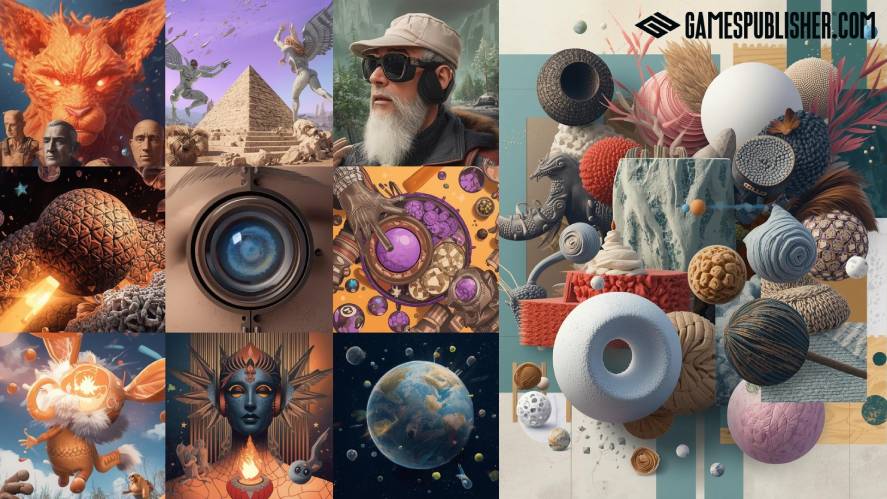
With AI, many of these assets can now be created or assisted by automated systems.
Tools powered by machine learning and generative models can produce visuals, generate textures, or even create full asset libraries based on prompts or reference images.
This shift is a big deal for AI for game development.
Instead of building everything from scratch, developers can focus more on design, gameplay, and iteration.
AI handles repetitive or time-heavy tasks, allowing teams to move faster.
For indie developers, this means being able to compete with larger studios by using AI game asset generators and other tools.
For bigger teams and game publishers, AI helps scale production, reduce costs, and accelerate timelines.
In short, AI in gaming is redefining how games are built from the ground up.
Types of Game Assets with AI You Can Create
AI is not limited to one type of asset.
Today, developers can generate almost every part of a game’s content using AI tools, from visuals to audio and animation.
Game Assets with AI for 2D Art and Textures
One of the most common use cases is generating 2D visuals.
Tools like MidJourney, DALL·E, and Stable Diffusion allow developers to generate 2D game assets with AI quickly.
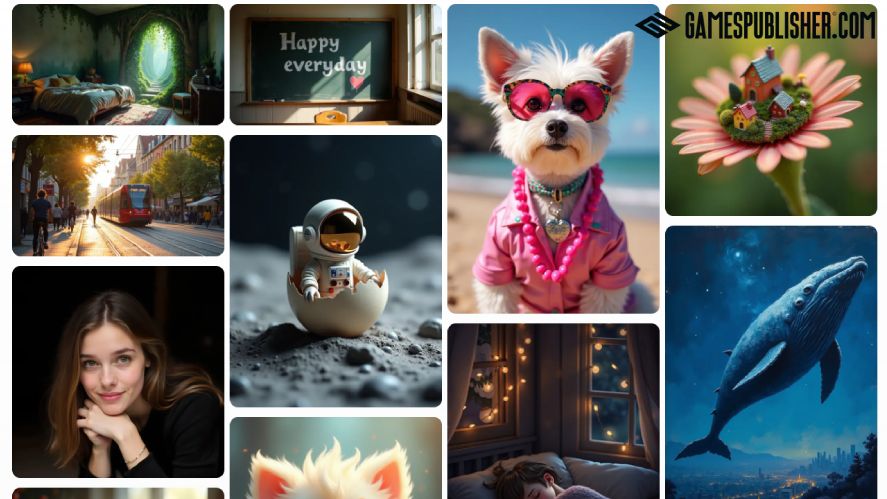
With these AI design tools, you can create:
- Concept art for characters and environments
- Sprites for 2D games
- UI elements like buttons and icons
- Textures for environments and objects
However, consistency is key.
To maintain a unified art style across your game, it’s important to use consistent prompts and keywords.
On top of that, building a reference library of styles and refining outputs using editing tools are also essential.
For many game developers, these tools act as a starting point rather than a final asset pipeline.
Game Assets with AI for 3D Models
AI is also making progress in 3D asset creation.
Tools like Kaedim, Luma AI, and Spline AI help developers create models from images or text prompts.

These tools can:
- Convert 2D images into 3D models
- Generate base meshes for characters or props
- Assist with rapid prototyping of environments
That said, limitations still exist.
AI-generated 3D models often require manual cleanup, optimization, and retopology before they are ready for production.
For now, AI works best as a support tool rather than a full replacement for 3D artists.
Game Assets with AI for Audio and Music
Audio is another area where AI is having a big impact.
Tools like AIVA, Soundraw, and ElevenLabs allow developers to generate sound content quickly.
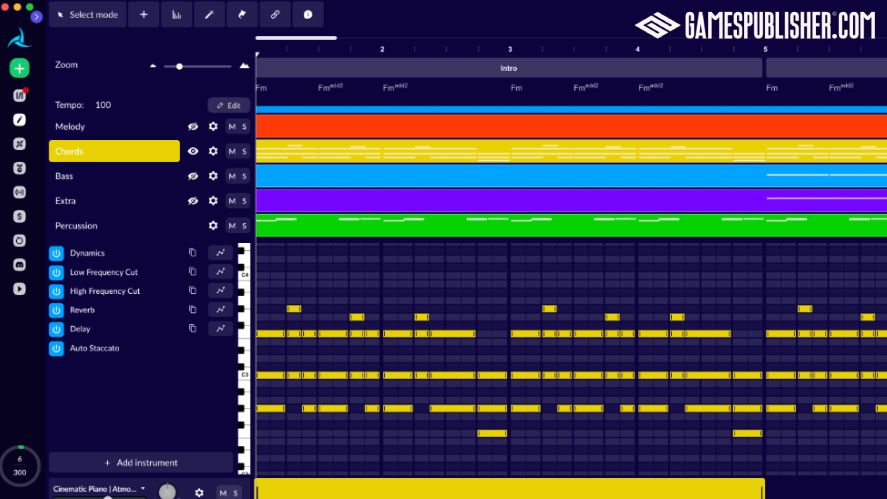
With AI, you can create:
- Background music tailored to different moods
- Sound effects for gameplay interactions
- Voiceovers for characters and narration
This is especially useful for indie teams that may not have access to composers or voice actors.
Game Assets with AI for Animation
Animation is traditionally one of the most complex parts of game development, but AI is helping simplify the process.
AI-powered tools can assist with motion capture, rigging, and animation generation.
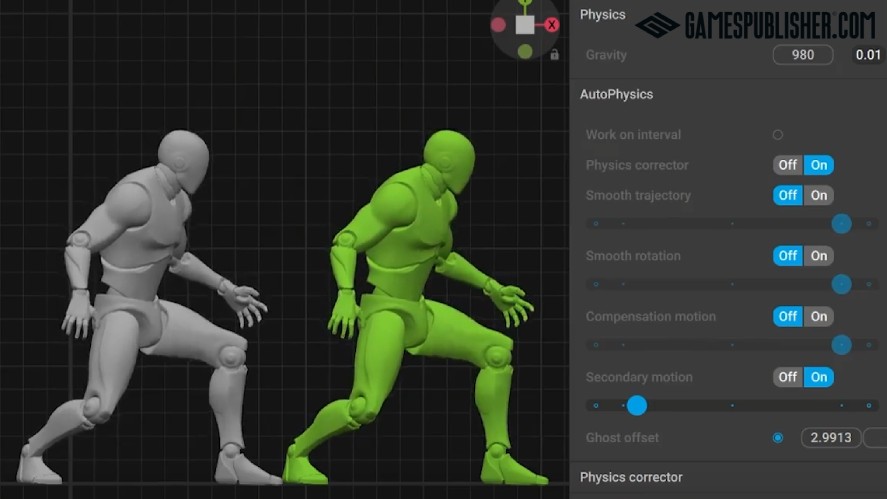
Some key applications include:
- Auto-rigging characters for faster setup
- Generating animations based on movement data
- Enhancing motion capture with AI cleanup
These tools allow developers to create smoother animations with less manual work.
While human input is still needed for polish and creativity, AI significantly speeds up the workflow.
Game Assets with AI Tools and Platforms
There are many tools available today to help generate game assets with AI, each focused on different parts of the asset pipeline.
Choosing the right tool depends on your project type, team size, and level of experience.
| Tool Category | Key Platforms | Summary |
|---|---|---|
| 2D Art and Texture Generation Tools | Midjourney, Stable Diffusion, DALL·E 3 | Generates high-quality concept art, stylized visuals, and environment textures from text prompts. |
| 3D Asset Creation Tools | Luma AI, Kaedim, Spline AI | Converts 2D images or text into 3D meshes; ideal for rapid prototyping and environment building. |
| Audio and Voice Generation Tools | ElevenLabs, AIVA, Soundraw | Produces emotive character dialogue, procedural background music, and adaptive soundscapes. |
| Animation and Motion Tools | Cascadeur, DeepMotion | Automates rigging and uses physics-based AI to turn video or simple keyframes into lifelike character movement. |
Overall, these AI game asset generators help both indie and professional game developers scale production.
The key is to combine multiple tools based on your needs rather than relying on a single solution.
How to Create Game Assets with AI Step by Step
Creating assets with AI is not just about pressing a button. It’s a structured process that combines planning, iteration, and refinement.
Planning and Concepting
Before generating anything, you need a clear vision. AI works best when guided by strong direction.
Start by defining:
- Art style (realistic, pixel art, stylized, etc.)
- References and inspiration from existing games or media
- Technical requirements (resolution, poly count, format)
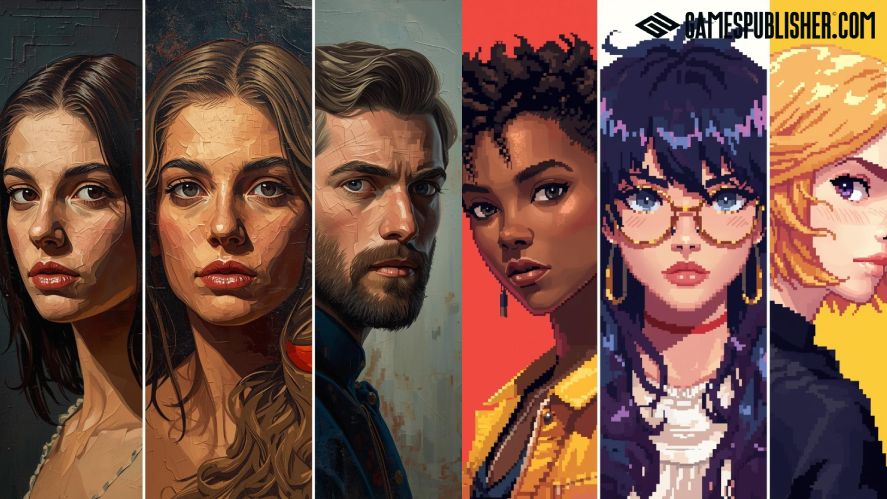
This step ensures consistency across your assets. Without it, AI outputs can feel random and disconnected.
Prompt Writing Techniques
Prompts are the foundation of AI-generated content. The better your prompt, the better your results.
Here are some tips when writing prompts:
- Be specific about style, colors, and details
- Include references (fantasy RPG style, similar to hand-painted textures, for example)
- Use structured prompts (subject + style + lighting + mood)
- Iterate and refine prompts based on results
Good prompt writing is a skill. Over time, developers learn how to guide AI more effectively and consistently.
Refinement and Editing
AI-generated assets are rarely perfect on the first try. So, refinement is a critical step in the workflow.
Common tools include Adobe Photoshop for 2D cleanup and adjustments, and Blender for editing and optimizing 3D models.
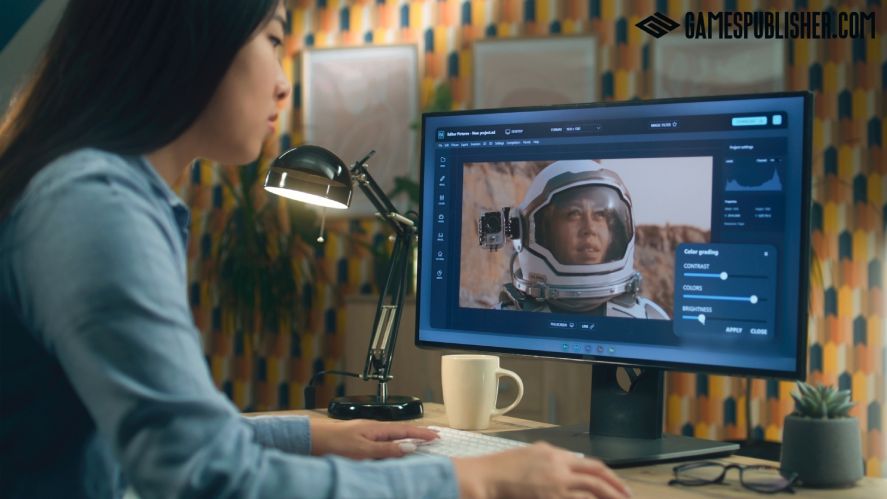
During this stage, developers fix visual inconsistencies, adjust proportions or details, and optimize assets for performance.
This is where human creativity and technical skill come back into play.
Integration into Game Engines
The final step is bringing your assets into a game engine like Unity or Unreal Engine, especially when working with AI game asset Unreal pipelines.
This involves importing assets in the correct format and optimizing textures and models for performance.
It also includes setting up materials, lighting, and physics, and testing assets in real gameplay scenarios.
Integration ensures that your AI-generated assets actually work within the game environment.
Benefits of Using Game Assets with AI in Development
Using AI to create assets is changing how teams approach game development.
One of the biggest advantages is faster production cycles.
Tasks that once took days or weeks, like creating concept art or basic models, can now be done in minutes.
This allows teams to move quickly from idea to implementation, which is critical in today’s competitive gaming industry.
AI also helps reduce costs.
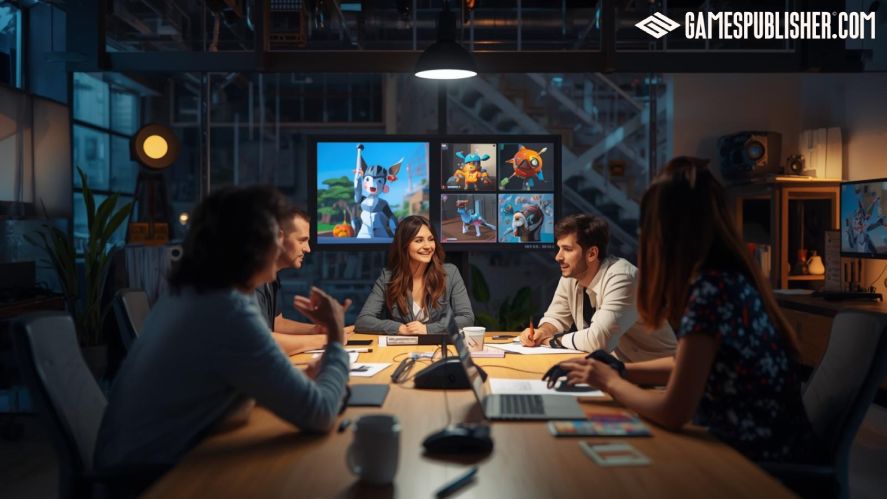
Instead of hiring large teams for every stage of asset creation, studios can use AI for game development to handle repetitive or time-consuming tasks.
This makes it easier to manage budgets, especially for smaller teams.
For indie creators, this leads to greater accessibility when using the best AI for game assets.
With the help of AI game asset generators, solo developers or small teams can produce high-quality assets without needing specialized skills in every area.
This lowers the barrier to entry and opens up opportunities for more people to build AI games.
Another major benefit is rapid prototyping and iteration.
Developers can quickly test ideas, generate variations, and refine assets without starting from scratch each time.
This encourages experimentation and leads to better overall game design.
Challenges and Limitations of Game Assets with AI
Despite its advantages, using AI for asset creation comes with important challenges.
One common issue is inconsistent quality.
AI-generated assets can vary widely in style, detail, and accuracy. Without proper guidance, results may not match the overall vision of the game.
There is also limited control over outputs. While prompts can guide AI, they don’t guarantee exact results.
Developers often need multiple iterations to get what they want, which can offset some of the time savings.
Another concern is dependency on tools.
Relying too heavily on AI platforms can create risks, especially if tools change, become paid, or are no longer supported.
For long-term projects, this can impact production stability.
Finally, there are legal uncertainties. Questions around ownership, training data, and copyright are still evolving.
Developers need to be careful when using AI-generated content, especially in commercial projects.
Because of these challenges, most game developers treat AI as a support tool rather than a full replacement.
Create Game Assets with AI Ethics, Ownership, and Copyright
As more developers create game assets with AI, questions about ethics, ownership, and copyright are becoming just as important as the technology itself.
Understanding these issues helps game developers use AI responsibly while protecting their projects.
Is It Okay or Allowed to Use Game Assets with AI?
In most cases, using AI to generate assets for games is allowed. However, developers must follow the rules set by the tools they use.
Each AI platform has its own licensing terms, and those terms explain whether the generated content can be used commercially.
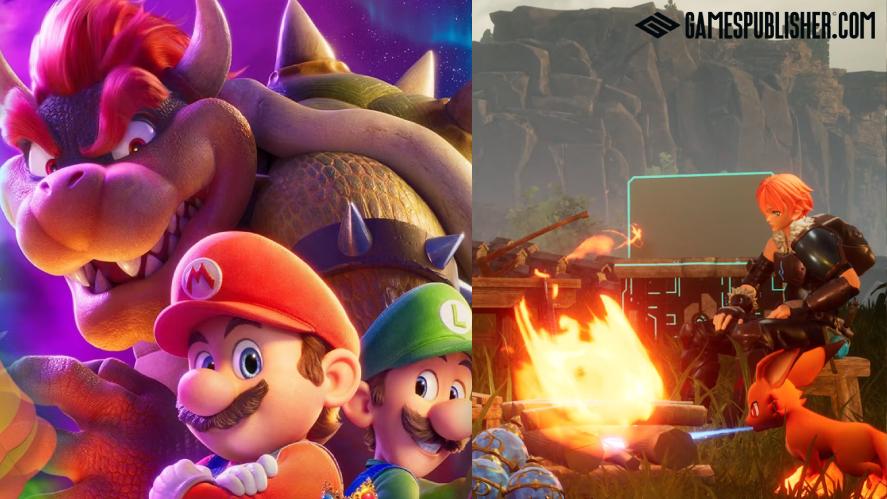
It’s also important to avoid copying existing intellectual property.
Even if an asset is generated by AI, it should not closely resemble copyrighted characters, logos, or art styles that belong to other creators.
This is especially important for developers working with publishers, where legal compliance is a major requirement.
Rules may also vary depending on the platform where the AI generated game is released.
Because of this, developers should always check licensing terms before publishing a game that uses AI in game development.
Ownership of Create Game Assets with AI
Ownership of AI-generated assets is not always straightforward.
In many cases, ownership depends on how much human input was involved in the creation process.
If a developer writes prompts, edits the output, and modifies the asset significantly, the result is more likely to be considered original work.
On the other hand, fully automated outputs may have different ownership rules depending on the tool’s terms of service and local laws.
This is why it’s important to:
- Understand the licensing agreements of AI tools
- Edit and refine AI-generated assets before using them
- Keep records of prompts and modifications
For game developers and game publishers, taking these steps helps avoid legal problems later in the development process.
Copyright Risks in Game Assets with AI
One of the biggest risks when using AI-generated assets is unintentional similarity to existing copyrighted works.
AI tools are trained on large datasets, which means they may sometimes generate content that looks similar to real artwork.
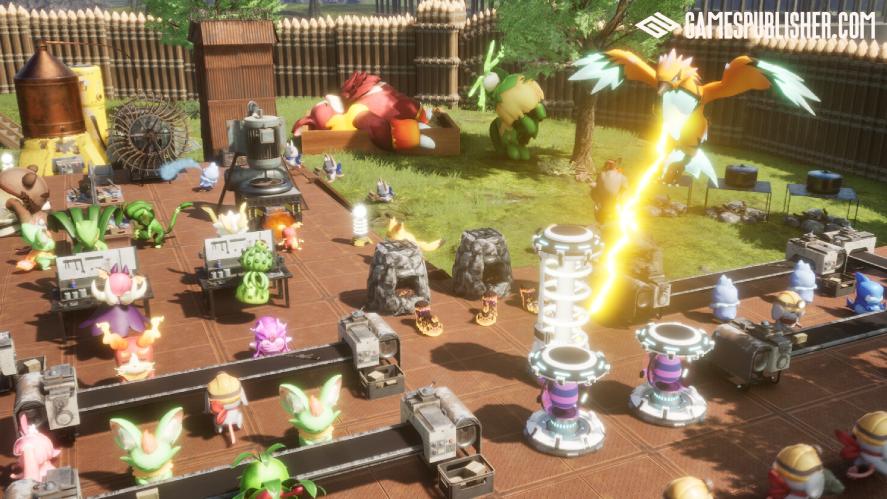
Other risks include:
- Assets that resemble characters from existing games
- Textures or designs that appear too close to copyrighted materials
- Unclear ownership of training data used by AI platforms
To reduce these risks, developers should focus on originality.
Avoid prompts that reference specific copyrighted works, and always review generated assets carefully before using them in a project.
Ethical Considerations for Game Developers
Beyond legal issues, there are also ethical concerns when using AI in game development.
Many artists worry about how AI tools are trained and how they affect creative industries.
Responsible developers can address these concerns by:
- Using AI as a support tool rather than a replacement for artists
- Being transparent about the use of AI-generated assets
- Respecting creative work and avoiding direct imitation
Ethical use of AI in gaming helps maintain trust between developers, players, and the creative community.
When used responsibly, AI can support creativity instead of replacing it.
Best Practices for Safe and Ethical Use of Game Assets with AI
Using AI in game development can be powerful, but it needs to be handled carefully.
First, always follow licensing terms. Every AI tool has its own rules about how generated content can be used.
Before adding assets to your project, check whether commercial use is allowed and what restrictions apply.
This is especially important when working with video game publishers or releasing on major platforms.
Next, make sure to avoid copying styles or existing IP.
Even if AI can mimic a certain look, directly referencing copyrighted characters, franchises, or recognizable art styles can create legal risks.
It’s also important to edit and refine outputs. AI-generated assets should not be used “as-is” in most cases.
By modifying and improving them, game developers can ensure better quality, consistency, and originality across the project.
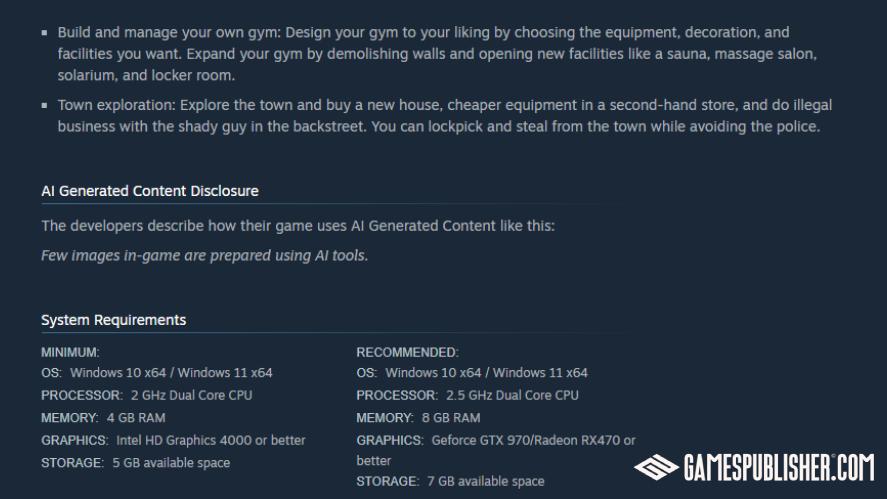
In some cases, you may need to disclose AI usage.
Certain platforms (like Steam) or publishers require transparency about how assets are created.
Being open about your workflow helps build trust and avoid potential issues later.
Finally, stay informed about legal updates. Laws around AI and copyright are still evolving.
So, keeping up with changes ensures that your use of AI for game development remains compliant over time.
Game Assets with AI and the Future of Game Development
AI is not just improving how assets are created today; it’s shaping the future of AI in gaming.
One major trend is real-time AI asset generation.
Instead of creating assets before launch, developers are starting to generate content during gameplay.
This could include dynamic environments, adaptive textures, or even AI-generated characters that evolve as players progress.
It opens the door to more responsive and ever-changing game worlds.
Another shift is toward personalized gaming experiences.
With AI, games can adjust visuals, UI, and even audio based on player preferences or behavior.
For example, environments might change style based on how a player explores, or UI elements could adapt for better usability.
This level of personalization can significantly improve engagement.
We’re also seeing deeper AI integration into development pipelines. From concepting to testing and live updates, AI is being used at every stage.
This allows both indie teams and large video game publishers to scale faster and iterate more efficiently.
As AI in gaming continues to evolve, the line between development and live content creation will become even more blurred.
The studios that adapt early will have a strong advantage in both creativity and production speed.
Conclusion
Game assets with AI are transforming how modern games are built.
From generating art and audio to speeding up production and reducing costs, AI gives game developers powerful new ways to create and experiment.
At the same time, these tools come with responsibilities.
Developers need to think about quality, ownership, and ethics when using AI. The goal is not to replace creativity, but to enhance it.
As the gaming industry and AI continue to grow together, staying informed is more important than ever.
Platforms like Gamespublisher.com help developers and game publishers keep up with the latest tools, trends, and best practices.
For anyone looking to stay competitive, the message is simple: embrace AI, but use it wisely.
Loading survey...