
In modern gaming, keeping players engaged is just as important as attracting them in the first place.
This is where player retention comes in. Player retention refers to a game’s ability to keep players coming back over time, whether that’s daily logins, repeat sessions, or long-term engagement.
For any game developer or video game publisher, strong retention is a key indicator of success.
A game that holds player attention can generate consistent revenue, build a loyal community, and grow organically through word of mouth.
In contrast, games with poor retention often struggle, even if they have a strong launch.
Today, many studios are shifting focus from acquisition to retention.
Acquiring new players can be expensive, especially with rising marketing costs across the video game industry. Retaining existing players, however, is often more cost-effective and leads to higher lifetime value.
This is where artificial intelligence’s best player retention strategies are becoming essential.
AI allows game developers to analyze player behavior, deliver personalized experiences, and predict when players are likely to leave.
As a result, AI is now a core part of modern game development and game publishing. It helps studios create smarter, more engaging player experiences.
Why Player Retention is Critical for Game Success
Player retention is one of the most important metrics in modern game development.
It directly affects revenue, growth, and long-term success across all video game genres.
One key reason is the relationship between lifetime value (LTV) and acquisition cost. It often costs more to acquire a new player than to keep an existing one.
When players stay longer, they are more likely to spend money, engage with content, and recommend the game to others. This increases their overall value to the game.
Retention also plays a major role in different revenue models. For example:
- Free-to-play (F2P) games rely on long-term engagement to drive in-game purchases
- Subscription-based games depend on consistent player activity to reduce churn
- Premium games benefit from retention through DLC sales and community growth
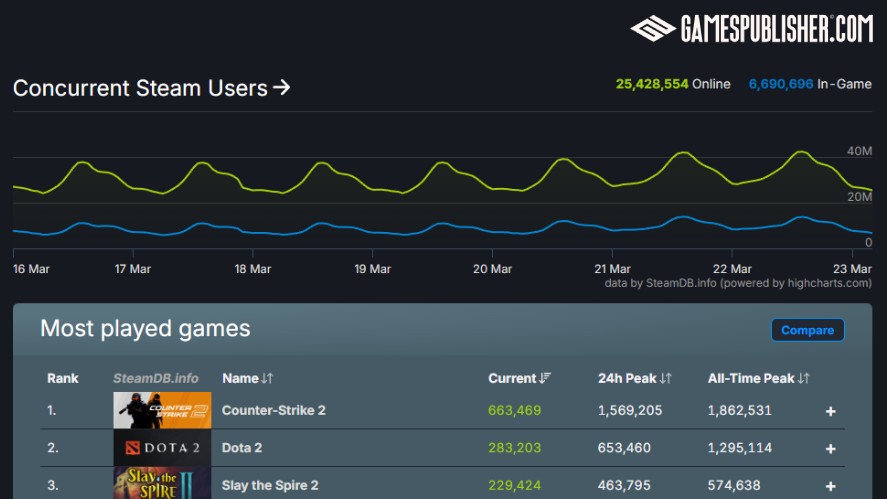
Without strong retention, even well-designed monetization systems can fail.
Beyond revenue, retention helps build strong communities.
Players who stay engaged often participate in forums, social platforms, and in-game events. This creates a sense of belonging and encourages long-term loyalty.
For game publishers and indie game developers, focusing on best player retention strategies is essential.
By combining data, player feedback, and AI-driven insights, studios can create experiences that keep players coming back.
In the end, that is the foundation of sustainable success in today’s competitive gaming market.
How AI is Revolutionizing Player Retention
Artificial intelligence is changing how studios approach player retention.
Instead of relying only on static systems, modern game developers can now use AI to understand player behavior, predict actions, and respond in real time.
At a basic level, AI in gaming helps analyze large amounts of data generated by players.
Every action, like logins, playtime, purchases, and progression, can be tracked and studied as one of the best ways to get gamer insights.
This allows teams to move beyond guesswork and make decisions based on real gamer insights.
One of the biggest advantages is predictive analytics.
AI models can identify patterns that signal when a player is about to stop playing.
For example, a drop in session time, repeated failures, or lack of progression may indicate frustration.

By detecting these signals early, studios can take action before the player leaves.
This answers an important question: how can predictive analytics improve player retention?
The answer lies in spotting churn risks early and responding with targeted solutions.
AI also enables real-time personalization.
Instead of offering the same experience to every player, games can adapt content based on individual behavior. This may include:
- Adjusting difficulty based on skill level
- Recommending content or game modes
- Offering customized rewards or incentives
- Triggering events based on player activity
These systems make gameplay feel more relevant and engaging. Players are more likely to stay when the experience matches their preferences and skill level.
Best Player Retention Strategies Powered by AI
Below are some of the best player retention strategies powered by AI.
Personalized Player Experiences
One of the biggest strengths of AI is its ability to tailor the experience to each player.
Rather than offering the same content to everyone, AI systems adjust gameplay based on behavior, skill level, and preferences.
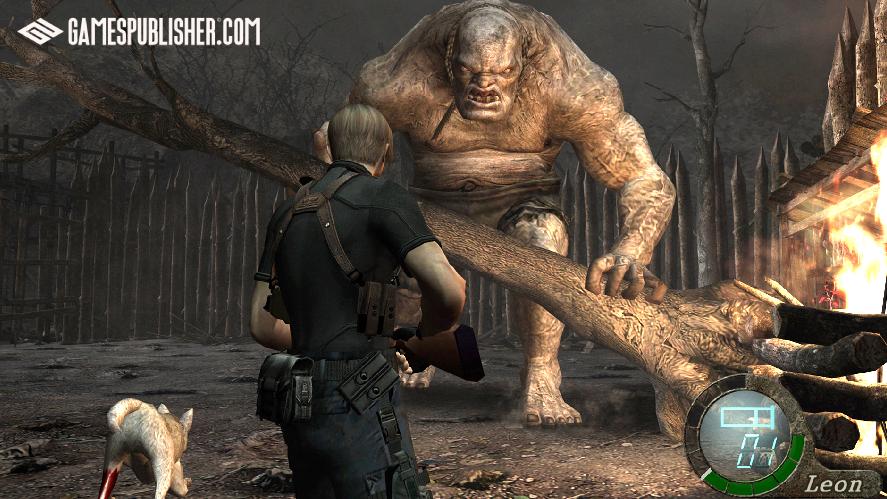
For example, many modern games now use AI to:
- Recommend content based on what players enjoy
- Adjust difficulty to match skill level
- Offer rewards that feel relevant and motivating
These small adjustments add up. When players feel like the game understands them, they are far more likely to stay engaged over time.
Predictive Analytics for Player Behavior
Another powerful use of AI is predicting player behavior before problems occur. Instead of reacting after players leave, studios can take action early.
AI systems typically do this by:
- Detecting early churn signals like shorter sessions or repeated failures
- Forecasting when a player is likely to drop off
- Triggering retention campaigns, such as rewards or re-engagement events
This is a clear example of how predictive analytics improve player retention.
By identifying risks early, developers can intervene at the right moment and keep players active.
Smart In-Game Messaging & Notifications
Communication also plays a big role in retention. But timing and relevance matter. Poorly timed or generic messages can annoy players instead of helping.
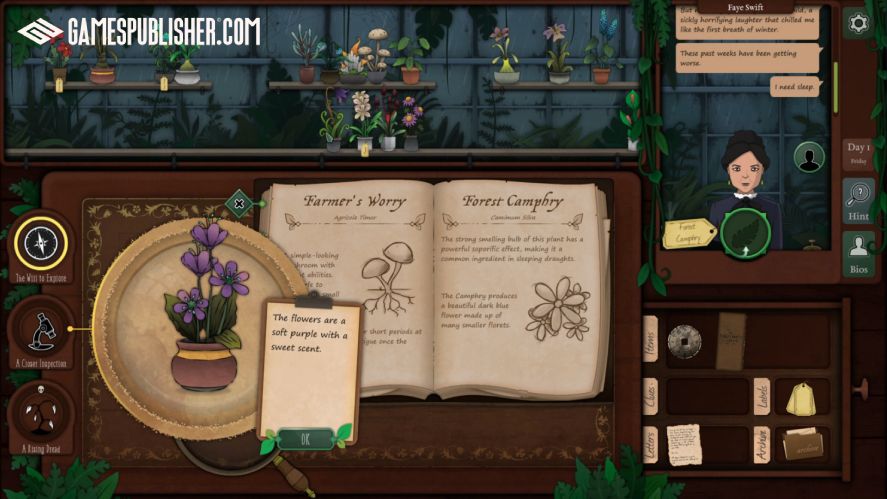
With AI, messaging becomes much smarter. Systems can:
- Send notifications when players are most likely to return
- Personalize messages based on behavior and preferences
- Trigger communication based on specific in-game actions
This creates a more natural experience, where messages feel helpful rather than intrusive.
AI-Powered Matchmaking Systems
For multiplayer games, matchmaking is one of the biggest factors affecting retention. If matches feel unfair, players leave quickly.
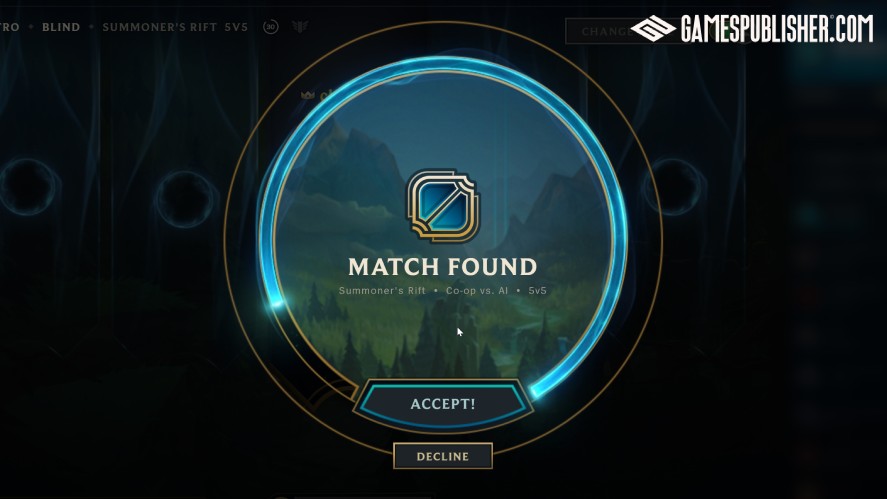
AI improves this by analyzing player performance and behavior in real time. This allows games to:
- Create more balanced, skill-based matches
- Reduce one-sided or frustrating gameplay
- Maintain a fair and competitive environment
Better matchmaking leads to better experiences, and better experiences lead to stronger retention.
Dynamic Content Generation
Content fatigue is a common reason players stop playing. AI helps solve this by continuously introducing new experiences.

Instead of relying only on manual updates, AI can:
- Generate new maps, missions, or challenges
- Adapt content based on player progress
- Power live events that feel fresh and dynamic
This keeps gameplay from becoming repetitive, especially in long-running or live-service titles.
Player Feedback & Surveys (Data-Driven Retention)
Finally, strong retention strategies rely on understanding what players actually think. AI makes it easier to collect and analyze this feedback at scale.
Studios often combine:
- Player game surveys to gather direct feedback
- Behavioral data for deeper gamer insights
- Tools like Polling.com to collect real-time responses
- AI systems that analyze trends and highlight key issues
By connecting game feedback with AI-driven insights, developers can continuously improve the experience and refine their best player retention strategies.
Using AI to Reduce Player Churn
Player churn happens when users stop playing a game, either gradually or all at once.
It’s a major challenge in modern gaming, especially for live-service titles and free-to-play models.
Common reasons include frustration, lack of content, poor rewards, or simply losing interest over time.
This is where AI becomes a powerful tool. Instead of guessing why players leave, game developers can use AI to detect patterns and act early.
AI-based churn prediction models analyze player behavior continuously. These systems look at signals such as:
- Drop in session frequency
- Reduced playtime
- Repeated failures or stalled progression
- Lack of interaction with new content

By identifying these warning signs, AI can predict which players are at risk of leaving.
This is a key part of artificial intelligence player retention strategies, as it allows teams to respond before churn actually happens.
For example, if a player struggles with a sudden difficulty spike, the system might adjust the challenge.
If another player stops engaging with content, the game might trigger a personalized event or incentive to bring them back.
These interventions are often subtle, but they make a big difference.
With better game analysis and real-time gamer insights, studios can turn potential churn into long-term engagement.
AI-Driven Monetization Without Hurting Retention
Monetization is essential for any game, but done poorly, it can push players away.
The challenge for video game publishers and game developers is finding the right balance between revenue and player experience.
AI helps solve this by making monetization more targeted and less intrusive.
Instead of showing the same offers to everyone, AI systems personalize them based on player behavior and preferences.
For instance, AI can:
- Recommend purchases that match a player’s play style
- Offer discounts at the right time to encourage conversion
- Avoid showing irrelevant or repetitive offers

This approach is very different from aggressive monetization tactics, which often rely on constant prompts or pressure.
Those methods may generate short-term revenue but can damage player retention in the long run.
Ethical monetization strategies focus on long-term engagement. This includes fair pricing, optional purchases, and rewards that feel meaningful rather than mandatory.
The goal is simple: create value for the player while still supporting the business model.
When done right, monetization becomes part of the experience, not a disruption.
For studios focused on best player retention strategies, AI-driven monetization offers a way to grow revenue while keeping players satisfied and engaged.
Real-World Examples of AI in Player Retention
Many modern games already use AI to improve player retention, even if players don’t always notice it.
These systems work behind the scenes to keep gameplay balanced, engaging, and personalized.
One well-known example is Fortnite.
It uses AI-driven matchmaking and player behavior analysis to ensure matches feel fair and engaging.
Combined with dynamic events and personalized content, this helps keep players coming back regularly.
In mobile gaming, Candy Crush Saga applies AI to adjust difficulty and recommend levels.
If a player struggles, the system may ease progression slightly or offer incentives. This keeps players engaged instead of quitting.
These examples highlight measurable improvements in engagement:
- Higher daily and monthly active users (DAU/MAU)
- Longer session times
- Reduced churn rates after difficulty adjustments
- Increased in-game purchases due to better personalization
For game developers and video game publishers, these case studies show how artificial intelligence player retention strategies can directly impact both engagement and revenue.
Challenges of Using AI in Gaming For Creating Best Player Retention Strategies
While AI offers powerful tools for improving player retention, it also comes with challenges that studios need to manage carefully.
One major concern is data privacy. AI systems rely on large amounts of player data to generate insights.
Collecting and using this data must comply with regulations and respect player trust. Poor handling of data can damage a game’s reputation.
Another issue is over-personalization.
While tailored experiences can improve engagement, too much personalization may feel manipulative or predictable. If players feel the game is controlling their experience too much, it can reduce enjoyment.
There are also development and implementation costs.
Building AI systems requires time, expertise, and infrastructure. Smaller teams or indie studios may struggle to adopt advanced AI solutions without significant investment.
Because of these challenges, the most effective approach is balance. AI should support the player experience and not dominate it.
Successful game developers combine AI insights with human design decisions to create systems that feel natural, fair, and engaging.
Future Trends: AI and the Evolution of Player Retention
AI is already improving player retention, but the next wave of innovation will go even further.
As technology evolves, games will become more adaptive, more personal, and more immersive than ever before.
One major trend is the rise of AI-generated narratives. Instead of fixed storylines, games will be able to create dynamic stories that change based on player choices.
This implies that no two playthroughs will feel alike. For game developers, this opens the door to deeper engagement, as players stay longer to explore different outcomes.

Another key shift is the move toward hyper-personalized gaming worlds.
AI will analyze player behavior in real time and adjust nearly every aspect of the experience, from quests and rewards to environments and characters.
These systems go beyond simple recommendations. They create worlds that feel unique to each player, which can significantly improve long-term retention.
We are also seeing stronger integration with AR/VR and live-service games. In these environments, AI can:
- Adapt experiences in real time based on player movement or interaction
- Generate content continuously to support ongoing updates
- Enhance social interactions through smarter NPCs and systems
For live-service titles, this means constantly evolving gameplay that keeps players engaged over months or even years.
Overall, the future of artificial intelligence player retention strategies will focus on deeper personalization and continuous content evolution.
Best Practices for Implementing AI Retention Strategies
Using AI effectively in player retention strategies requires more than just tools, as it requires the right approach.
Studios that succeed with AI focus on strong foundations, smart integration, and continuous improvement.
First, everything starts with player data collection. Without accurate data, even the best AI systems won’t deliver useful results.
Developers need to track player behavior, progression, and engagement patterns in a structured way.
This creates the foundation for meaningful game analysis and reliable gamer insights.
Next, it’s important to combine AI with human design decisions.
AI can identify patterns and automate responses, but it doesn’t fully understand creativity, emotion, or player intent.
Designers still play a key role in shaping experiences, balancing systems, and ensuring gameplay feels natural.
Finally, teams must continuously test and optimize strategies. AI models improve over time, but only with proper iteration. This includes:
- Running A/B tests on features and retention systems
- Monitoring player feedback and engagement metrics
- Adjusting models based on real-world results
For game developers and video game publishers, the goal is to treat AI as an evolving system, not a one-time solution.
Building Long-Term Player Engagement with AI
Long-term engagement is the ultimate goal of any player retention strategy.
AI makes this more achievable, but success still depends on how well systems are designed and balanced.
The best player retention strategies combine several elements: personalization, predictive analytics, smart communication, and continuous content updates.
Together, these create experiences that feel dynamic and rewarding over time.
At the same time, it’s important to balance AI with player experience.
Overuse of automation or overly aggressive systems can harm engagement instead of improving it. Players should feel supported, not controlled by AI-driven features.
Sustainable growth in game development comes from building trust and delivering consistent value.
AI helps by providing deeper insights and more responsive systems, but it works best when paired with thoughtful design and player-focused decisions.
For game developers and game publishers, the future lies in using AI to enhance, not replace, the human side of game creation.
By doing so, studios can build games that players enjoy, return to, and stay connected with for the long term.
Loading survey...