
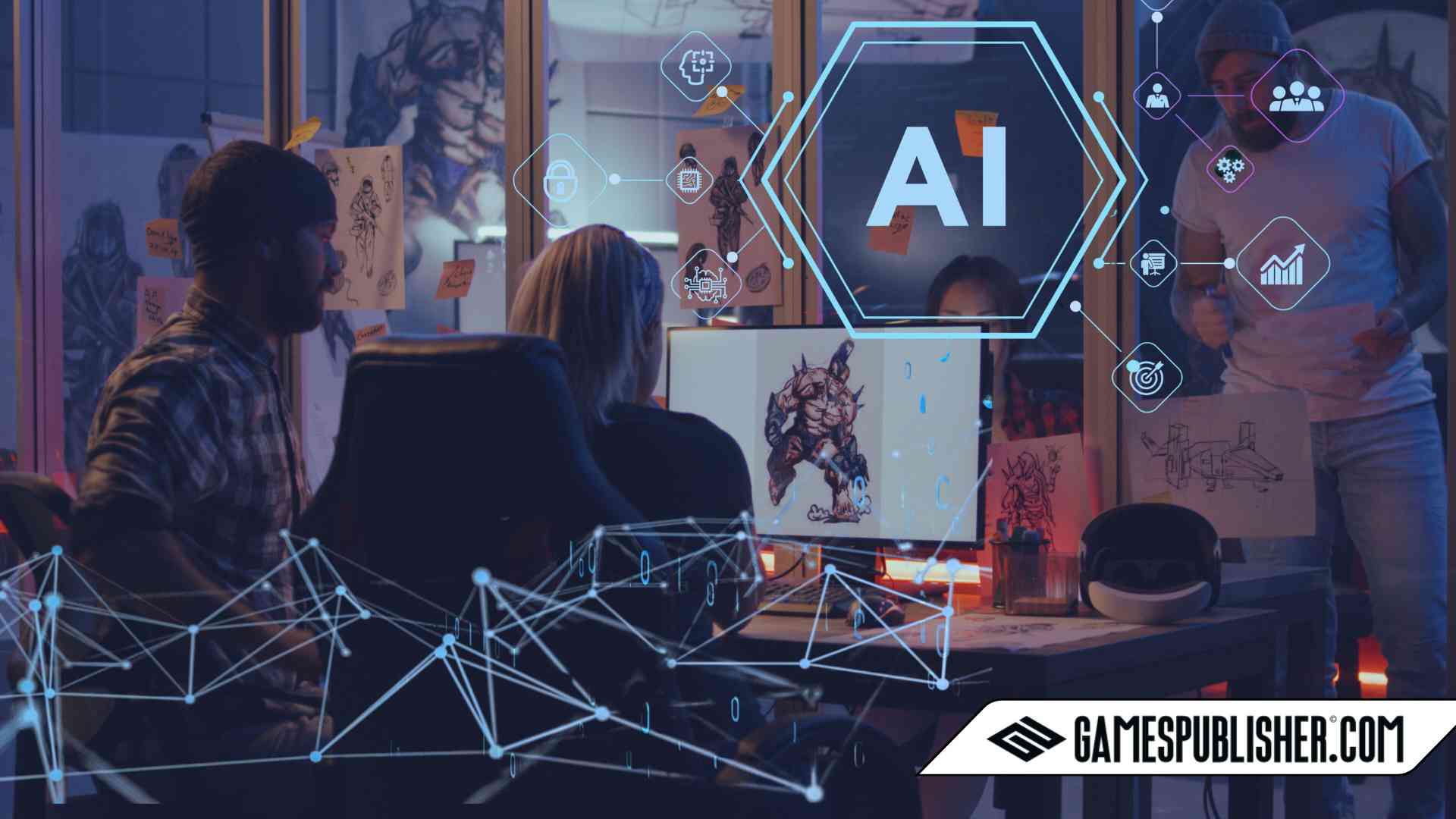
ai for game development is changing how games are built, played, and improved every day. Have you noticed how modern games feel more alive and responsive than ever before? That is not by accident. It is the result of rapid growth in AI in Game Development and smarter use of machine learning and ai technology.
Today, both indie game developers and large video game publishers rely on AI in gaming to stay competitive. In fact, the connection between the Gaming industry and AI is now stronger than ever. As tools improve, AI-driven game development is becoming a standard part of the workflow.
In this guide, you will learn how AI is used, why it matters, and what the Future of AI in gaming looks like for creators.
What Is AI in Game Development
To begin with, ai for game development refers to using ai technology and machine learning to improve how games are created and experienced. This includes everything from character behavior to world design and testing.
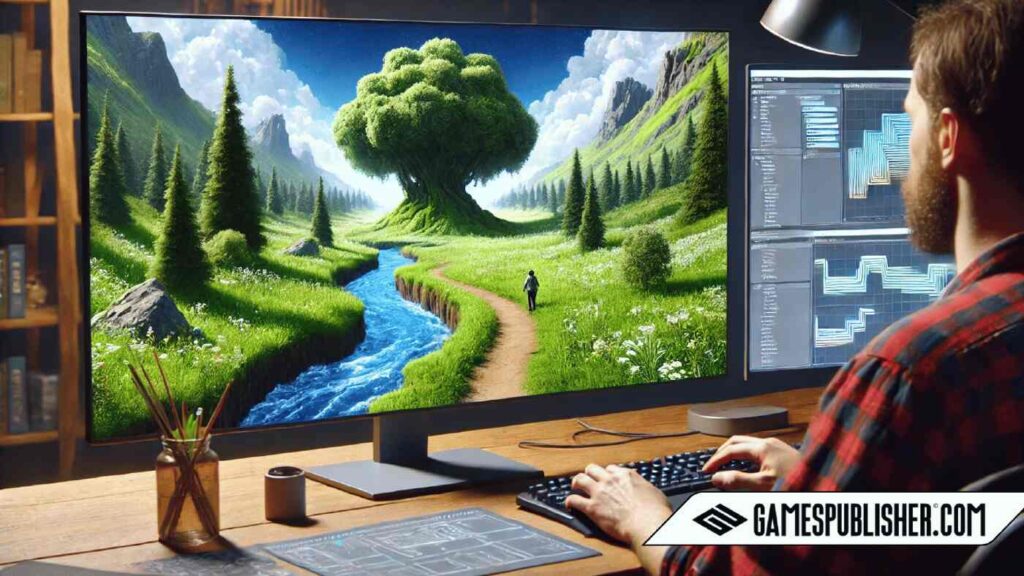
In simple terms, AI helps developers build smarter systems without doing everything manually.
The Role of Machine Learning and Automation
Machine learning allows games to learn from data and player behavior. Because of this, games can adjust in real time. For example:
- Difficulty can change based on player skill
- Content can adapt to player choices
- Systems can improve through AI game analytics
At the same time, automation reduces repetitive work. This allows game developers to focus more on creativity and less on routine tasks.
Procedural Generation and Smart Systems
Another key area is Procedural generation AI. Instead of building every level by hand, developers can use AI to generate:
- Maps
- Missions
- Environments
As a result, games become larger and more dynamic without increasing development time.
Growing Use Across the Industry
Right now, AI in Game Development is used by both small and large teams.
- Indie developers use AI-generated game content to save time and cost
- Game publishers use AI for large-scale production and testing
- Artificial intelligence gaming platforms support faster development
Because of these benefits, AI adoption keeps growing across the industry.
Key Ways AI Is Transforming Game Development in 2026
AI is not just a tool. It is reshaping how games are made from start to finish. Let’s look at the most important areas.
Procedural Content Generation

First, Procedural generation AI is helping developers build more content in less time.
AI-Generated Maps and Worlds
Instead of designing every detail, AI can generate:
- Open worlds
- Levels
- Game environments
This is why many AI games feel different every time you play.
Faster Development
Because AI handles repetitive design tasks, developers can move faster. As a result:
- Projects finish sooner
- Teams can test more ideas
- Production becomes more efficient
Better Player Experience
At the same time, players benefit from:
- Unique gameplay sessions
- Dynamic environments
- Higher replay value
Smarter NPC Behavior
Next, AI game characters have become much more advanced.

Adaptive Decision Making
With Adaptive game AI, characters can:
- Learn from player actions
- Change strategies
- React in real time
This creates more engaging gameplay.
Realistic Interactions
In addition, AI improves AI in game narratives. Characters can:
- Respond to dialogue choices
- Show emotions
- Influence story outcomes
As a result, games feel more immersive and personal.
Automated Game Testing
Testing is often slow and repetitive. However, AI game testing is solving this problem.
Faster Bug Detection
AI can simulate thousands of gameplay scenarios quickly. Because of this, it can:
- Find bugs faster
- Detect performance issues
- Identify edge cases
Improved Game Quality
As testing becomes more efficient:
- Games launch with fewer issues
- Updates become smoother
- Players enjoy a better experience
AI-Assisted Game Design

Another important area is AI and game design.
Creating Stories and Quests
AI can help developers:
- Generate story ideas
- Build quests
- Write dialogue
This supports creativity instead of replacing it.
Supporting Developers
Rather than doing all the work, AI acts as a helper. For example:
- It suggests improvements
- It speeds up brainstorming
- It helps refine ideas
Because of this, developers can focus on the bigger picture.
Asset Creation and Animation
Creating assets takes time and money. However, AI-generated game content is making it easier.
Faster Asset Production
AI can generate:
- Textures
- 3D models
- Animations
This reduces the need for large teams.
Lower Costs for Developers
For indie teams, this is especially useful. It allows them to:
- Build high-quality games
- Reduce expenses
- Compete with larger studios
Benefits of AI for Game Developers
Now that we have seen how AI works, let’s look at the benefits.
AI in Game Development at a Glance
| Feature | Benefit |
|---|---|
| Procedural generation AI | Faster content creation |
| AI game testing | Fewer bugs |
| AI game analytics | Better player insights |
| Adaptive game AI | Smarter gameplay |
Faster Development Cycles
First of all, AI speeds up many parts of development. This includes:
- Design
- Testing
- Optimization
Because of this, projects move forward more quickly.
Reduced Costs
Automation reduces the need for manual work. As a result:
- Teams can stay small
- Budgets are easier to manage
- Resources are used more efficiently
More Creativity
Even though AI handles tasks, it also opens new creative options. Developers can:
- Test new ideas faster
- Experiment with gameplay
- Build unique systems
Better Scalability
Large projects benefit from AI for game optimization and AI game analytics. This helps teams:
- Manage complex systems
- Track player behavior
- Improve performance
Challenges and Limitations of AI in Game Development
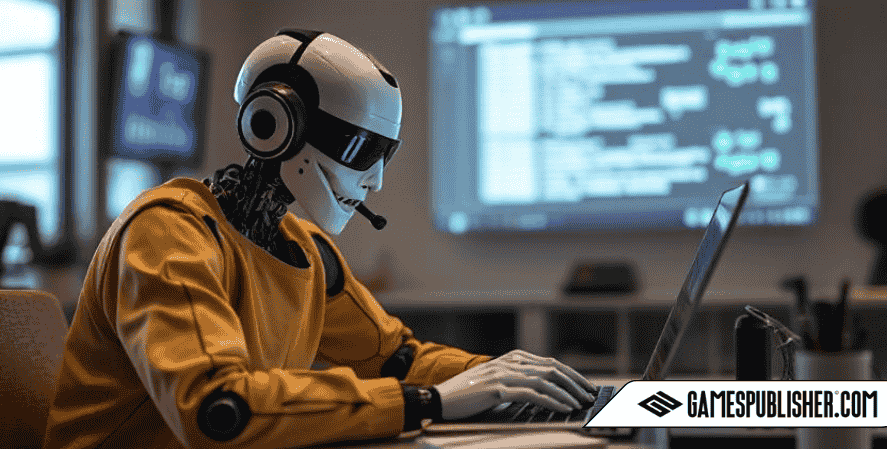
Even though ai for game development offers many benefits, it also comes with challenges. Understanding these helps teams use AI in a smarter way.
Ethical Concerns and Originality
One common concern is originality. When using AI-generated game content, questions often come up:
- Who owns the content
- Is the work truly original
- How much is human-made
Because of this, many game developers try to balance AI support with human creativity.
Over Reliance on Automation
Next, relying too much on AI can be risky. While automation is helpful, it can also lead to:
- Repetitive designs
- Less creative storytelling
- Predictable gameplay
That is why AI and game design should always include human input.
Technical Challenges
AI systems are not simple to build or use. Teams often need:
- Knowledge of machine learning
- Strong integration with a game engine
- Ongoing testing and updates
For smaller teams, this can be a challenge at first.
Finding the Right Balance
In the end, the goal is balance. The best results happen when:
- AI handles repetitive work
- Humans guide creativity
- Systems work together smoothly
AI Tools That Are Shaping the Industry
As AI grows, new tools are making development easier and faster. These tools are now a key part of AI-driven game development.
Game Engines With Built In AI
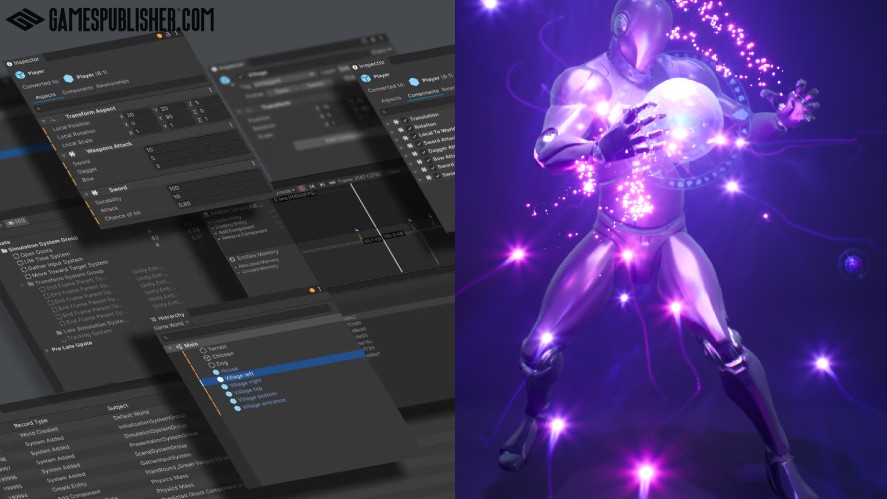
Modern game engine platforms like Unity and Unreal support AI features. Because of this, developers can:
- Build smarter systems
- Test ideas quickly
- Improve performance with AI for game optimization
These engines are widely used by both indie developers and video game publishers.
AI Design Assistants
Another growing trend is AI design tools. These tools help by:
- Suggesting game ideas
- Generating content
- Improving workflows
As a result, developers can move from idea to prototype much faster.
Automation Tools for Repetitive Tasks
Along with AI, automation tools play an important role. They help handle tasks that do not require creativity.
For example:
- Repeating player actions
- Testing gameplay loops
- Running simulations
At this point, it becomes clear that automation and AI often work side by side.
How Automation Tools Complement AI in Game Development
While AI focuses on intelligence and learning, automation focuses on repetition. Together, they create a powerful workflow.
Repetitive Testing Actions

During development, teams often need to repeat the same steps many times. This includes:
- Clicking through menus
- Grinding game scenarios
- Testing mechanics again and again
Automation tools make this process much faster.
Simulating Player Behavior
In addition, automation can simulate how players interact with a game. This helps teams:
- Find design issues
- Improve user experience
- Validate gameplay systems
When combined with AI game testing, results become even more accurate.
Improved Efficiency
Because of these tools, teams can:
- Save time
- Reduce manual work
- Focus on improving the game
This is especially helpful in large projects.
Why Auto Clicker on Steam Fits Into Modern Workflows
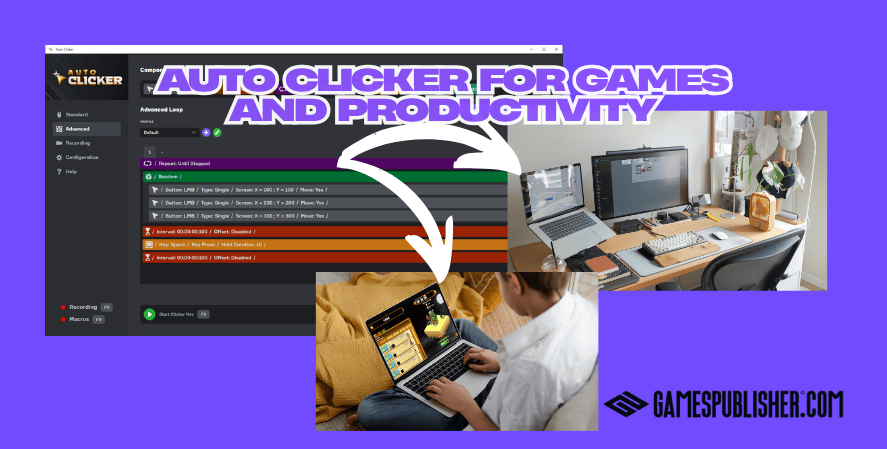
A simple but useful tool in this space is an Auto Clicker on Steam.
Automating Repetitive Inputs
This tool can:
- Simulate repeated clicks
- Run actions continuously
- Help test game mechanics
As a result, developers can test systems without manual effort.
Works Across Different Setups
It can be used across:
- Different game genres
- Various development environments
This makes it flexible for many use cases.
Saving Time During Development
Time is one of the most valuable resources. By using tools like this, teams can:
- Speed up testing
- Improve iteration cycles
- Focus on design and gameplay
Useful for Developers and Players
Interestingly, it is not only useful for developers. Players also use it for:
- Grinding in games
- Testing builds
- Exploring mechanics
Future Trends of AI for Game Development
Looking ahead, the future of ai for game development is full of possibilities. Many changes are already starting to take shape.
Fully AI Generated Worlds
Soon, we may see games built almost entirely by AI. These worlds could:
- Expand endlessly
- Change over time
- Offer unique experiences to each player
This is already happening in some AI games today.
Real Time Storytelling
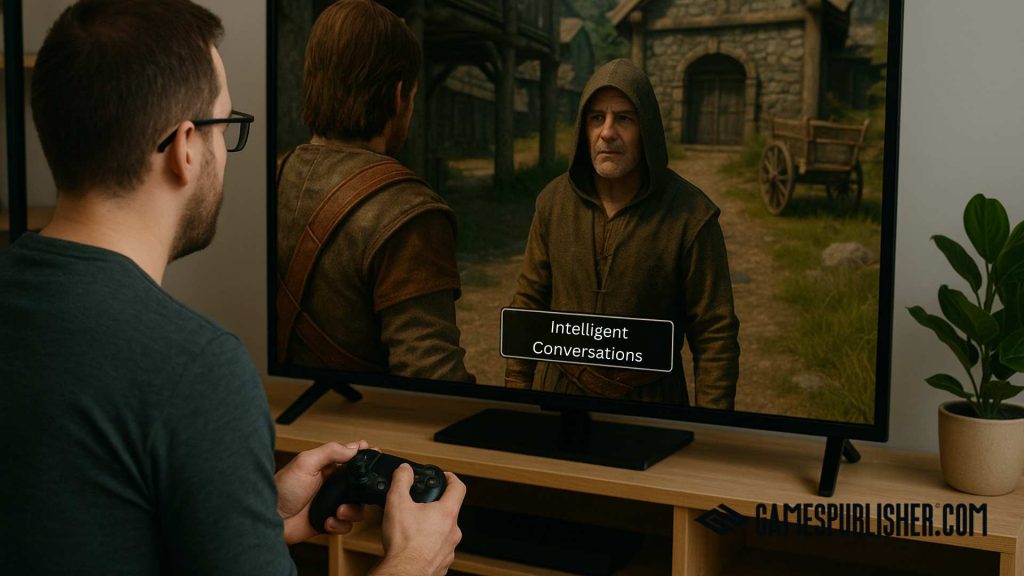
Another major shift is in AI in game narratives. Games will be able to:
- Adjust stories in real time
- React to player emotions
- Create unique story paths
Because of this, no two players will have the same experience.
Personalized Gaming Experiences
AI in gaming will also improve personalization. Using AI game analytics, games can:
- Adjust difficulty
- Recommend content
- Match player preferences
This makes games more engaging.
Growth in Mobile and Immersive Tech
AI is also expanding into new platforms. For example:
- Artificial intelligence in mobile gaming is growing fast
- AI and virtual reality gaming is becoming more immersive
- AI and augmented reality gaming is blending digital and real worlds
Together, these trends will shape the next generation of games.
Frequently Asked Questions
AI in Game Development refers to using artificial intelligence to improve game design, character behavior, testing, and player experience.
AI in gaming is used for NPC behavior, procedural content creation, game testing, analytics, and personalization.
AI can generate parts of games such as levels, assets, and dialogue. However, human developers are still needed for direction and creativity.
AI helps game developers work faster, reduce costs, improve game quality, and create more engaging experiences.
The Future of AI in gaming includes adaptive storytelling, personalized gameplay, and fully AI-generated environments.
Conclusion
ai for game development is changing every part of how games are made and played. From smarter AI game characters to faster AI game testing, the impact is clear.
Today, both game developers and video game publishers rely on AI-driven game development to stay competitive. At the same time, the connection between the Gaming industry and AI continues to grow stronger.
However, success with AI depends on balance. While AI and machine learning provide powerful tools, human creativity remains essential.
By combining AI with automation tools like Auto Clicker on Steam, developers can build faster, test smarter, and create better experiences.
As we move forward, the Future of AI in gaming will bring even more innovation. Those who learn and adapt early will be in the best position to succeed.
Loading survey...